
RAISE GENIUS · COMMUNITY & SCHOOL VISITS
Robotics Social Projects & Community Learning
Robotics social projects share practical learning with communities. Raise Genius describes happiness and wider social development as valuable responsibilities: opportunities to introduce children to robotics, creativity and technology through public activities and school collaboration.
Contact the teamOn this page
A purpose behind robotics social projects
The original Raise For Social Project page describes eight years of community activity at the time it was written. That figure belongs to the historical account; it is not a calculation of the programme’s duration today. The aim is to contribute knowledge and enjoyable learning experiences to society.
The source identifies public-sector organisations serving society and schools with limited financial resources among the groups supported. It describes participation in community education rather than a published grant application or a standing promise of free services.
Robotics social projects may give children a first encounter with mechanisms, automation or creative construction. The original account places that work alongside conversations about children’s interests and development. For a new proposal, the team and the host organisation need to agree what can actually be delivered.
Six forms of community learning in robotics social projects
The published list includes educational booths about robotics and Industry 4.0 for primary and secondary schools, and robotics workshops or competitions for young people.
It also includes seminars and discussions about robotics and Industry 4.0, alongside exhibitions introducing these subjects to a wider audience.
The remaining forms are discussions about discovering children’s interests, child development and parenting in the 4.0 era, and creative-idea competitions. These are the six activity types listed in the source, not six packages with fixed fees or durations.
A suitable proposal should identify its educational purpose and audience. A library introduction, a school booth and a youth workshop involve different settings. Current staffing, resources, equipment, dates and the responsibilities of each party must be discussed before an activity is confirmed.
Community activities in the 2012-2013 archive
1. Government House: the source records a Children’s Day introduction to robotics with the National Security Council in January 2012 (B.E. 2555). This is an earlier activity account, not an announcement of a new government partnership.
2. TK Park, first activity: an introduction to robotics at TK Park Learning Park in June 2012 (B.E. 2555).
3. Saint Peter School, Nakhon Pathom: an academic-day activity identified as “56” in the original list, corresponding to the Thai Buddhist-calendar year 2556 (2013). No additional day or month is stated.
4. Chulalongkorn University Book Center: an introduction to robotics in June 2013 (B.E. 2556).
5. TK Park, second activity: another introduction to robotics in October 2013 (B.E. 2556). The archive identifies the first and second TK Park activities separately.
School and library activities in the archive
6. Sarasas Pracha Uthit School: a science-week activity recorded in February 2014 (B.E. 2557).
7. Buranasuksa School: a library-week activity. The source provides no date for this entry, so no date has been added.
8. Family Learning Center at the second Children’s Discovery Museum: first and second introductions to robotics recorded for 2015 and 2016 (B.E. 2558 and 2559). These two visits form one entry in the thirteen-example list.
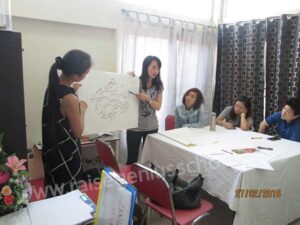
9. Mind Map workshop: a February 2016 (B.E. 2559) activity at the Raise Genius School head office on Phetkasem Road, as identified in the original account. The historical location does not establish the venue for a new booking.
Robotics social projects in these settings connect practical activities with places where families and pupils already learn. The archive preserves earlier examples; it does not say that every host still offers the same activity.
Camps and community activities through 2017
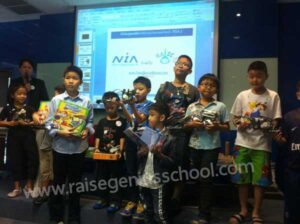
10. National Innovation Agency (NIA): a Children’s Day activity recorded in January 2017 (B.E. 2560).
11. Travelling robotics camps with Chulalongkorn University Book Center: creativity activities at Dipangkorn Rasmijoti Library, recorded across April 2013 to October 2016 (B.E. 2556-2559). This is a historical date range, not an upcoming camp schedule.
12. Raise Robot, tenth activity: the source names “3 September City Library” and records May 2017 (B.E. 2560). The words “3 September” are part of the library’s name in the source; they have not been turned into an event date.
13. Sub Noi Nuea Witthayakhom School, Saraburi: a robotics and Industry 4.0 camp. The original entry supplies the school and province but no date.
Together these thirteen entries show the range of published robotics social projects. Names are transliterated from Thai; the original photographs and artwork remain available below as historical material.
Discuss a new community collaboration
The original page invites organisations to contact Raise Genius about social projects. Use the English contact page to explain the organisation, audience, proposed activity and dates. If the group is a school, include the pupils’ year levels and the setting being considered.
Outline the purpose of the collaboration and any resource limitations so the team can discuss a realistic scope. The page does not publish current eligibility criteria, funding, fees, participant limits or an automatic entitlement to a free workshop.
For school activities, the English school-services, STEM activity-stations and robotics-camp pages describe related areas to discuss. A visit to the institute is a separate enquiry covered by the robotics field-trip page.
Before announcing a new event, confirm the agreed content, venue, equipment, supervision arrangements, costs and date with the team. Past collaboration should not be presented as confirmation of a current booking or endorsement.
Original photographs and artwork
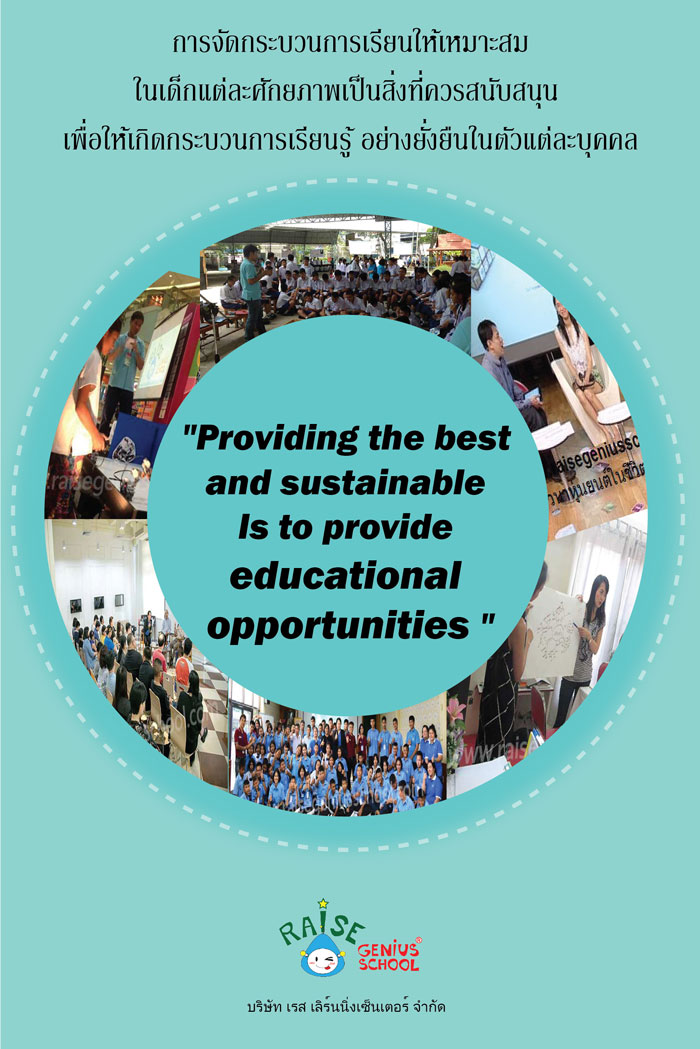
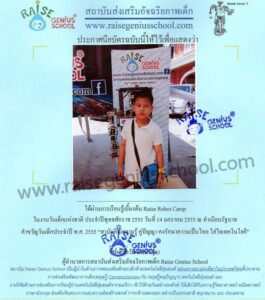
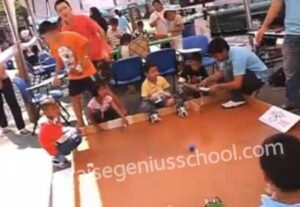
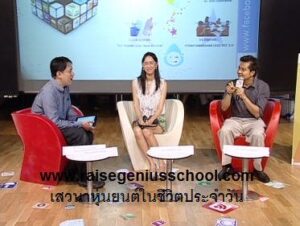
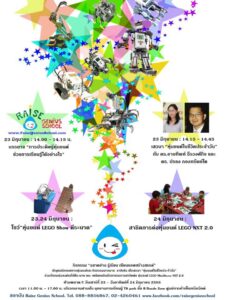
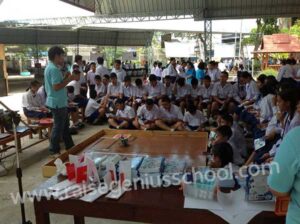
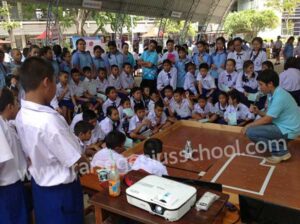
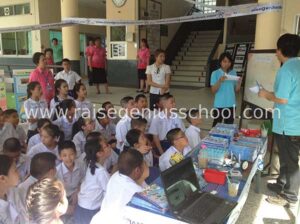
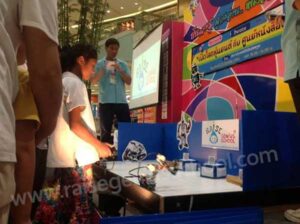
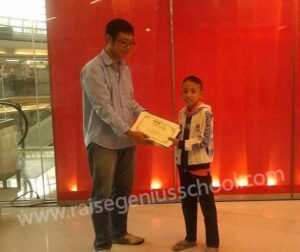
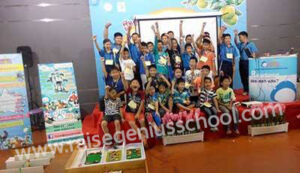
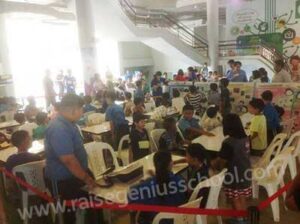
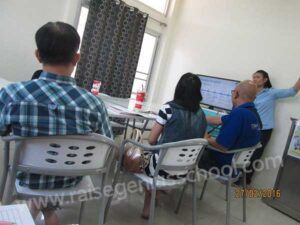
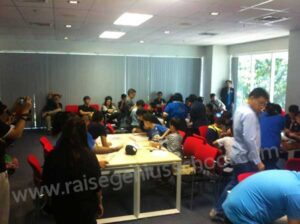
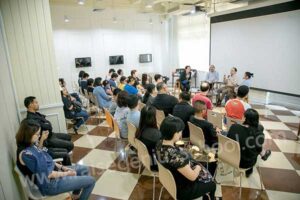
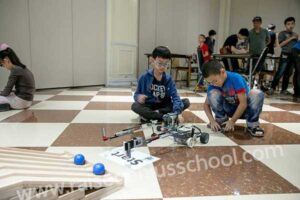
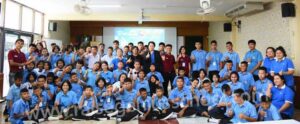
These images are retained from the original page as examples of previous community activities and school visits. Some contain Thai text or historical dates. They do not guarantee the same result for a new learner. Confirm current programmes with the team.
View original images



Frequently asked questions
What are the robotics social projects on this page?
They are the school’s published community-learning activities: robotics booths, workshops and competitions, seminars, exhibitions, child-development discussions and creative-idea competitions. The thirteen examples are historical accounts.
Which organisations does the original page mention supporting?
It identifies public-sector organisations serving society and schools with limited financial resources. A new organisation should contact the team to discuss its situation; the page does not publish automatic eligibility or funding criteria.
Are these upcoming events or current partnerships?
No. The dated activities are an archive, mainly from 2012-2017. The eight-year statement belongs to the original page. A past host or activity does not establish a current partnership, date or available place.
Are all social-project activities free?
The source does not publish a current fee policy or guarantee that every proposed activity is free. Discuss resources, costs, responsibilities and the proposed scope with the team before confirming a collaboration.
Can a school request a workshop or educational booth?
The source includes school booths and youth robotics workshops among the activity types. Send an enquiry with the school, year levels, learning purpose, venue and proposed dates so the team can discuss a suitable current arrangement.
How does an organisation enquire about collaboration?
Use the English contact page and describe the organisation, audience, activity idea and dates. Confirm the programme, equipment, venue, supervision, responsibilities and costs before announcing an event.
Contact and related pages
Tell the team the learner’s age, interests, experience and what they want to explore next. Discuss a suitable current programme and confirm its content, equipment, availability and fees before enrolling.
Contact Raise Genius School service overview
Robotics portfolio projects · Competition preparation · Team advice and coaching · Course guide · General FAQ
Related services: School robotics camps · STEM activity stations