Observe, Test and Adapt an Idea with Support
RAISE GENIUS · PARENTS & SCHOOLS
Observe, Test and Adapt an Idea with Support
Practising a thoughtful pivot is Teacher Num’s theme. The archive uses startup prototypes and changing circumstances to discuss listening, observation and adaptation.
Contact the teamOn this page
Practising a thoughtful pivot means learning from a test
The source uses “pivot” for changing direction after noticing what is happening, rather than simply turning the body. Its background includes economic disruption, online services, working from home and the COVID-19 period.
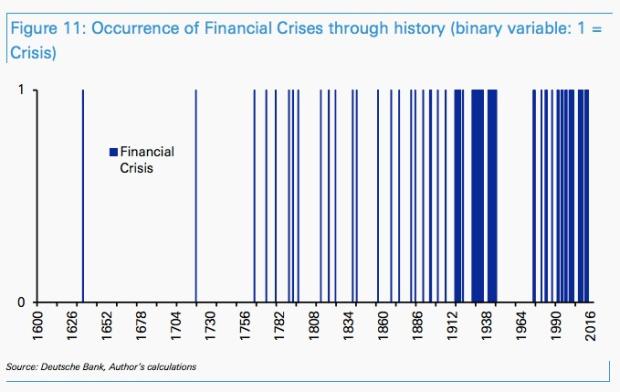
It also introduces VUCA: volatility, uncertainty, complexity and ambiguity. The old financial-crisis graph is source context, not a newly checked statistical series or evidence that crises must always become more frequent.
A prototype can challenge an expectation
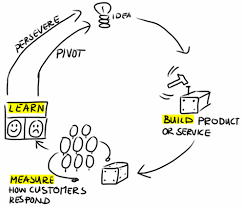
In the startup example, a team gives a prototype to potential users, listens and observes, then compares the response with its original assumptions. A revised version can be tested again.
The source includes whether someone would pay, but willingness to pay is only one kind of feedback. For a child’s activity, safety, usefulness, accessibility and enjoyment may matter without any sale or real financial risk.
Skills the author wants to practise
The archive lists listening, observing, trying, accepting feedback, encouraging oneself and a team, analysing and loosening attachment to a first idea. These can be explored in small supported activities.
Examples include a supervised family project, reducing waste or a community activity. A child should not be responsible for an adult’s income or pressured to trade with strangers. The article’s adult freelance example is not a recommendation for unsupervised child work.
Five questions for the next version
Who is the idea for? What did they actually do? What surprised us? What small change could we try? How will we decide whether it helps? These are practical discussion prompts in this English edition.
Practising a thoughtful pivot does not mean changing constantly or ignoring a safety boundary. Keep what is working, change what the evidence supports and make room to stop. The archive’s attributed risk quotation is encouragement, not financial advice.
Original photographs and artwork
These images are retained from the original page as examples of published learning activities and programme information. Some contain Thai text or historical dates. They do not guarantee the same result for a new learner. Confirm current programmes with the team.
View original images

Frequently asked questions
Does pivot mean abandoning every first idea?
No. Observe what happened and decide which change, if any, is useful.
Must a child sell something to practise?
No. A safe non-commercial project can provide feedback.
Are the old crisis figures a new forecast?
No. They are background from the original article.
Contact and related pages
Tell the team about the learner or organisation, relevant experience and the intended learning purpose. Confirm the current programme, equipment, availability, schedule and fees before booking.
Contact Raise Genius School service overview
- Teacher Num on Work, Technology and Changing Possibilities
- Research, Social Robots, Electronics and Useful Machines
- Cleaning, Cooking and Folding as Design Questions
- Bitcoin, AlphaGo and a Child’s First Design Ideas
- Technology Interest, School Workload and Playful Learning
- Keep the Activities, Clarify the Brain-Side Claim
- Collaboration across Thai Universities and Institutes
- A Small Robot, Coloured Paths and Planning
- AlphaGo, OpenAI’s Dota Bot and What a Result Means
Course-selection guide · Robotics portfolio projects · Competition preparation · Team advice and coaching · Course guide · General FAQ
Related services: School robotics camps · STEM activity stations
Related learning: Raise Maker Arduino · micro:bit robotics · IOTBot & AI · Portfolio preparation · Camp proposal · Accompanying teachers
Related reference: NAEYC: developmentally appropriate practice