
An Uncrewed Aircraft Is More Than One Type of Toy
RAISE GENIUS · PARENTS & SCHOOLS
An Uncrewed Aircraft Is More Than One Type of Toy
Understanding drone applications starts by defining the device. The archive discusses remote aircraft, cameras, recreation and inspection, with important distinctions about setting and control.
Contact the teamOn this page
Understanding drone applications: define the vehicle
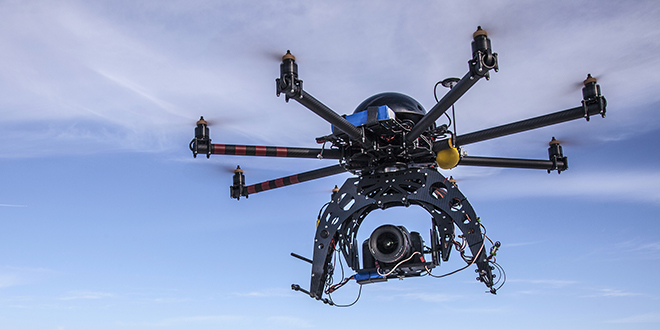
The source describes aircraft without a pilot on board, ranging from small recreational devices to much larger systems. Not every drone is a four-rotor toy or equally simple to control.
The original presents a straight history from lethal military machines to toys. Uncrewed aviation has a more varied history and range of purposes; that simplified account should not define every device or its origin.
Cameras, observation and practical tasks
The archive gives filming, news gathering, agriculture and observing natural resources as examples. A camera can provide another viewpoint, but weather, permissions, privacy and the actual task affect whether a flight is appropriate.
Its suggestion that drones are always cheaper than hiring a helicopter is not a universal cost comparison. The platforms have different capabilities and operating requirements.
Airborne and underwater vehicles are different
The source also mentions inspection of subsea pipelines. A remotely operated underwater vehicle is not an aircraft, even though the broad word “drone” is sometimes used for both.
Choose the environment first, then discuss movement, sensing, communications and power. A flying classroom model does not automatically become suitable for underwater work or an industrial inspection.
A demonstration is separate from permission to fly
The archive mentions recreation and racing. Any real activity needs the current rules, appropriate supervision and the equipment’s guidance; this article does not authorise a child or an unregistered operator to fly.
For Thailand, the Civil Aviation Authority’s official information is a starting point for current requirements. Understanding drone applications can also begin with a diagram or a non-flying model, without purchasing or operating an aircraft.
Original photographs and artwork
These images are retained from the original page as examples of published learning activities and programme information. Some contain Thai text or historical dates. They do not guarantee the same result for a new learner. Confirm current programmes with the team.
View original images


Frequently asked questions
Is every drone a small quadcopter toy?
No. Vehicles, sizes, purposes and control systems differ.
Is an underwater inspection vehicle an aircraft?
No. Distinguish the operating environment.
Does this page grant permission to fly?
No. Check current official requirements and suitable supervision.
Contact and related pages
Tell the team about the learner or organisation, relevant experience and the intended learning purpose. Confirm the current programme, equipment, availability, schedule and fees before booking.
Contact Raise Genius School service overview
- A Warm Invitation to Spend Time with a Caregiver
- Moulding, Moving, Cooling and Packaging in an Archive Video
- Measuring a Physiological Response Does Not Directly Measure Truth
- Listen, Take Concerns Seriously and Connect with Appropriate Help
- Snake-Like Machines, a Piloted Robot and BigDog
- Moving a Dish, Coordinating a Route and Working with People
- P’Raise’s 2016 Look at Machining and Metal-Working Equipment
- Ask a Wider Question, Record Observations and Change the View
- Google’s 2016 Research Platform for Physical Programming
Course-selection guide · Robotics portfolio projects · Competition preparation · Team advice and coaching · Course guide · General FAQ
Related services: School robotics camps · STEM activity stations
Related learning: Raise Maker Arduino · micro:bit robotics · IOTBot & AI · Portfolio preparation · Camp proposal · Accompanying teachers
Related reference: CAAT: official information before using drones
