How a Different Question Can Change a Robot Project
RAISE GENIUS · PARENTS & SCHOOLS
How a Different Question Can Change a Robot Project
Asking better problem solving questions can reveal more than one route to a solution. The archive starts with a soap-box story and then turns to robot troubleshooting.
Contact the teamOn this page
Asking better problem solving questions: the soap-box story
Two imagined factories receive complaints about empty soap boxes. In the story, one uses an expensive scanner; the other places a strong fan by the conveyor so lighter empty boxes are blown away.
This is an illustrative anecdote, not a verified account of two named factories or an industrial safety recommendation. Its purpose is to compare looking for full boxes with identifying empty ones. A real packaging line would also need to consider accuracy, hygiene and safety.
First, widen the view
If a robot’s wheel stops turning, immediately replacing the wheel may miss the cause. Look at the whole arrangement: structure, a caught cable, power, connections and whether the programme is running.
Invite the learner to describe the observed symptom before naming a faulty component. A broad first question can prevent spending time or money on a change that does not address the problem.
Second, narrow the question one layer at a time
The archive’s example moves from “the robot does not work” to “the left wheel does not turn”, then to the left motor and finally to a loose connection or a programme error.
Change and test one appropriate thing at a time, with power and moving parts handled safely. The point is an orderly investigation, rather than assuming that every stopped robot has the same fault.
Third, try a different route
When an exact construction part is unavailable, ask what another arrangement could do. A different connector, support or model layout may achieve the intended purpose.
This final step is reframing rather than giving up. Explain what must remain true, such as strength or room for a moving part, then compare possible alternatives. The archive’s promise of becoming a “little genius” is encouragement, not a guaranteed learning outcome.
Original photographs and artwork
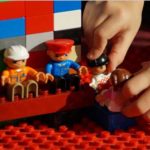
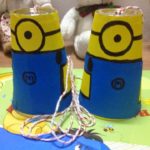
These images are retained from the original page as examples of published learning activities and programme information. Some contain Thai text or historical dates. They do not guarantee the same result for a new learner. Confirm current programmes with the team.
View original images


Frequently asked questions
Did the article verify the two factories?
No. The soap-box example is treated as an illustrative story.
Why not replace a stopped wheel immediately?
The cause could involve the structure, motor, cable, power or programme.
What if the exact part is missing?
Discuss another safe arrangement that meets the same design need.
Contact and related pages
Tell the team about the learner or organisation, relevant experience and the intended learning purpose. Confirm the current programme, equipment, availability, schedule and fees before booking.
Contact Raise Genius School service overview
- From Peekaboo to Questions about Quantities
- A Guide to the Archive’s Discussion of Cognitive Development
- Small Ideas, Mechanisms and Creative Construction
- Questions, Confidence and Manageable Challenges
- Thinking, Design, Hand Use and Sharing a Creation
- Exploring a Child’s Learning Strengths
- Discovering Children’s Interests without Pressure
- Teacher Bung on Connecting Learning at School and Home
- A Short Classroom Reflection on Learning Together
Course-selection guide · Robotics portfolio projects · Competition preparation · Team advice and coaching · Course guide · General FAQ
Related services: School robotics camps · STEM activity stations
Related learning: Raise Maker Arduino · micro:bit robotics · IOTBot & AI · Portfolio preparation · Camp proposal · Accompanying teachers
Related reference: NAEYC: developmentally appropriate practice