
Robot Construction: Ready-Made Toys and LEGO Kits
RAISE GENIUS · PARENTS & SCHOOLS
Robot Construction: Ready-Made Toys and LEGO Kits
Robot construction is the difference highlighted in the original article: making and changing a model can be part of the activity, rather than receiving a finished robot only.
Contact the teamOn this page
A finished toy and a robot construction kit
The source contrasts a ready-made toy that can be used immediately with a LEGO model that the learner assembles. Its point is about the process: choosing pieces, interpreting a structure and making parts work together can give a child something to think through before the model is used.
Ready-made toys can also support worthwhile play. This translation does not repeat the blanket suggestion that they prevent patience, are quickly abandoned or cannot be repaired. The value of a particular toy depends on the child, design and activity, not simply whether it came assembled.
Building, changing and trying again
The article describes attention, patience, creativity and spatial understanding as skills a construction activity aims to practise. These are opportunities, not guaranteed developmental improvements. The difficulty and help should fit the learner rather than making every child complete the same model unaided.
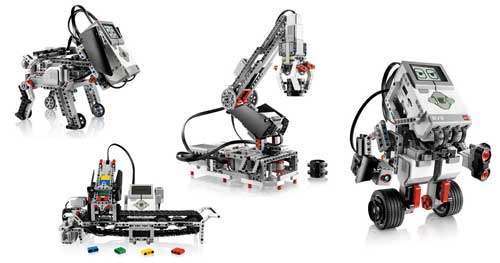
A reusable kit can become a walking robot, a vehicle, an animal or another imagined design. The interest lies in comparing how the pieces and movement change for a new purpose. The original includes a toy weapon among its examples; this translation does not provide weapon-building instructions or make that a learning requirement.
Ownership and troubleshooting in robot construction
The source suggests that children can feel proud of a project they have helped make. A teacher or parent can ask which part they chose, what help they received and what they would change. A sense of ownership does not require pretending that the learner designed every component from scratch.
When a model fails, understanding the assembly can make discussion and some adjustments easier. This is not permission for a child to repair mains-powered equipment, damaged batteries or an unfamiliar product. Keep classroom troubleshooting within suitable components and the teacher’s guidance.
Choose an activity, not a guaranteed result
The author explains why the school emphasises construction instead of simply supplying finished toys. The aim is enjoyment together with making, testing and explaining. Neither a kit nor a class automatically creates intelligence, confidence or a particular future outcome.
For a new learner, discuss interest, experience, support and practical needs with the team. Ask whether the proposed task allows meaningful choices and a chance to try changes. It can be useful to see both the working model and the learner’s explanation of how it came about.
Original photographs and artwork
These images are retained from the original page as examples of published learning activities and programme information. Some contain Thai text or historical dates. They do not guarantee the same result for a new learner. Confirm current programmes with the team.
View original images


Frequently asked questions
Are all ready-made robot toys poor learning choices?
No. The source’s contrast is about a building process, not a judgement that every finished toy is unsuitable.
Does a construction kit guarantee better patience or intelligence?
No. It creates opportunities to practise; outcomes depend on the learner and support.
Can a child fix any robot after building a LEGO model?
No. Troubleshooting should remain within appropriate components and supervision. It is not authorisation to repair hazardous equipment.
Contact and related pages
Tell the team about the learner or organisation, relevant experience and the intended learning purpose. Confirm the current programme, equipment, availability, schedule and fees before booking.
Contact Raise Genius School service overview
- Offline Translator: The ili Device in the Archive
- Waterwheels and Steam Engines: How Power Changed Work
- Cleaner Energy: Sunlight, Wind and Water
- 2017 Study Advice: AI, Energy and Biosciences
- Vehicle Power: Electric, Hydrogen and Compressed-Air Ideas
- Steam Power: An Invention that Changed Machines
- Everyday Robots: Household Ideas from the Archive
- Future Robots: Four Examples from a 2016 Story
- Creative Robot Projects: Seven Student Ideas
Course-selection guide · Robotics portfolio projects · Competition preparation · Team advice and coaching · Course guide · General FAQ
Related services: School robotics camps · STEM activity stations
Related learning: Raise Maker Arduino · micro:bit robotics · IOTBot & AI · Portfolio preparation · Camp proposal · Accompanying teachers
Related reference: School services

