Choosing a Robotics Engineering Degree: Interests, Labs & Projects
RAISE GENIUS · PARENTS & SCHOOLS
Choosing a Robotics Engineering Degree: Interests, Labs & Projects
Choosing a robotics engineering degree begins with the part of robotics the learner enjoys. A programme may emphasise industrial automation, mechanisms, electronics, control, computing or machine vision. Similar course names can conceal different subject balances, so the source proposes inspecting the actual curriculum before choosing a university.
Contact the teamOn this page
Choosing a robotics engineering degree across four related fields
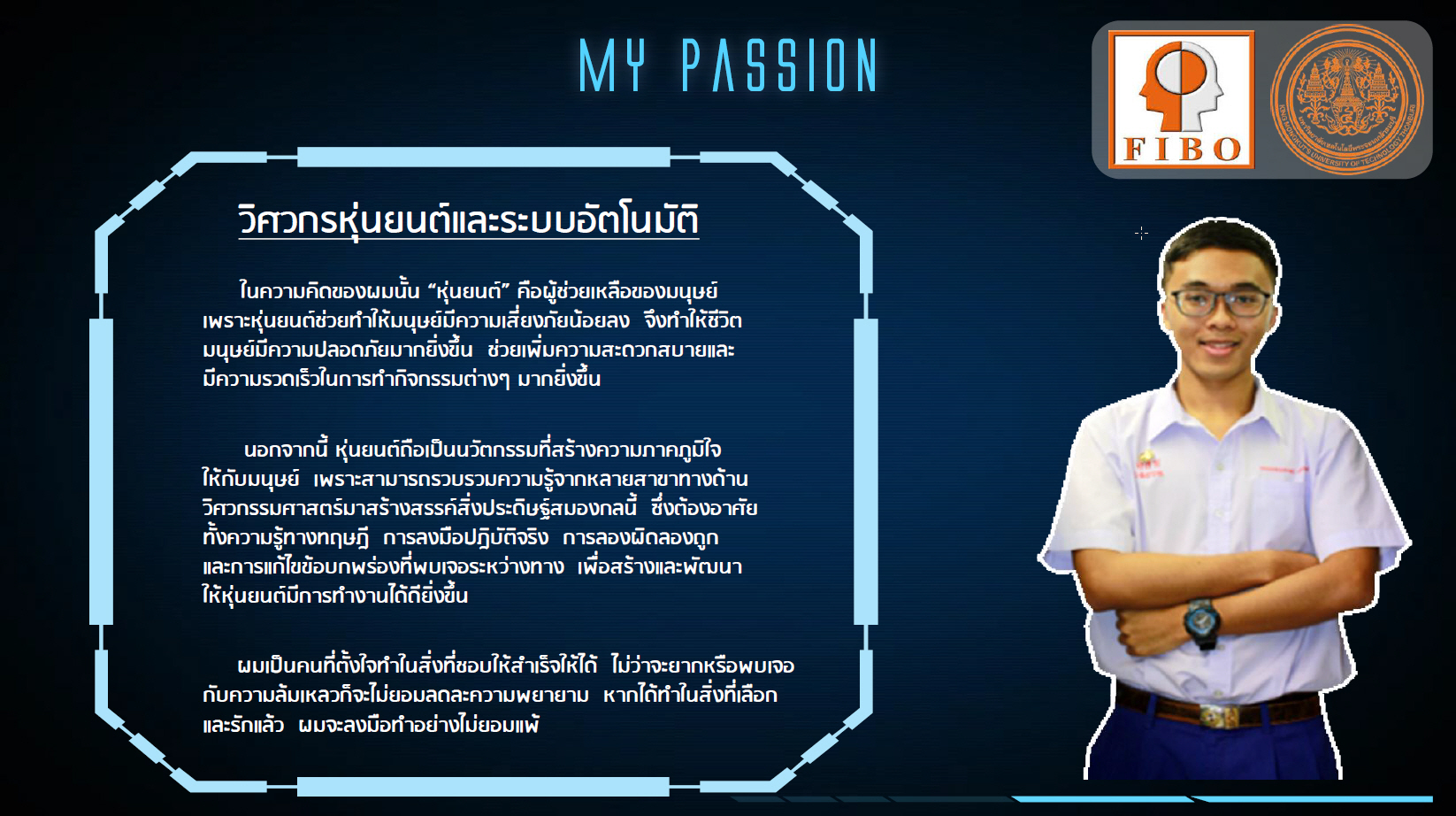
Robotics and automation combines electrical, mechanical and computing ideas in a working system. The source gives KMUTT’s FIBO as an example of an institution concerned with integrating those areas.
Mechatronics commonly connects mechanisms and control. The article associates it with an interest in components, motors, gears and power transmission, while recognising that programming remains part of the work.
Electrical, electronic and control engineering can develop interests in sensors, circuits and signals. Read the degree’s own practical sequence to see how these ideas connect to whole systems or robots.
Computer engineering, computer science and AI can serve an interest in the robot’s information processing: vision, classification and decision-making. These fields are not interchangeable; inspect the modules and project opportunities in the actual programme.
The source’s central observation is that a learner may not identify a preference until they have completed several small projects. Notice which part they willingly investigate: a mechanism, a circuit or a program. This is more informative than selecting a degree name and hoping every subject will fit.
Five criteria for choosing a robotics engineering degree
1. When does practical work begin? Read the study plan and find the actual laboratory and project modules. Ask what a first-year learner builds and how the complexity develops later. A robotics engineering degree should be compared by that practical sequence.
2. What laboratory access do students really have? Ask whether early-year students can use the facilities, how booking works, what supervision is available and whether project materials are funded or purchased by students. Check access for the actual robotics engineering degree rather than only the department’s publicity.
3. What industry experience is offered? Look for the actual internship or cooperative-education arrangement. Ask how projects and placements connect to practical conditions, rather than infer an opportunity from a partner logo.
4. What are the current application conditions? Read the official announcement for the intended year and route. Grades, accepted qualifications, school subjects, video evidence and technical interviews can differ between programmes.
5. What is the full cost? Include tuition, project materials, equipment and any relevant living or travel costs. Ask about the scope and conditions of scholarships. Historical fees or another student’s budget may not match a future cohort. Check these costs for the intended robotics engineering degree and entry year.
Choosing a robotics engineering degree through actual project experience
A learner who adjusts a gear train and tests a robotic arm may discover different interests from one who writes code to distinguish objects in a camera image. Both are working on robotics; they may prefer different degree content.
Keep the learner’s role visible. A supplied kit, a demonstration, a teammate’s code and an independently changed component are different contributions. Describe them accurately so that the project can be discussed honestly.
Photographs of facilities and the reputation of a university can start research, but they do not answer the five practical questions. Take the same questions to each open day and compare the answers in one table.
Where an answer is uncertain, record it as a question for the programme office. Do not turn a general admissions page into a promise that a particular school background or portfolio will be accepted.
Lower secondary: explore broadly before specialising
In Mathayom 1–3, the original suggests trying mechanisms, control code, circuits and a small AI-related activity. The aim is to learn what the pupil enjoys while building foundations, rather than rush to select a faculty.
Keep photographs and notes even when a build fails. Describe what was expected, what happened and what changed after testing. Those records show development more clearly than a finished photograph alone.
A project need not be advanced research to be useful. A clear question, an understandable mechanism and an explanation of the learner’s own decisions provide a starting point for later work.
Upper secondary: deepen, document and prepare
Mathayom 4: choose a more substantial project in an emerging area of interest and begin visiting relevant open days. There is still time to adapt the plan after asking about modules and practical opportunities.
Mathayom 5: develop the main project, record it working and keep the earlier versions. Explain why the first design failed and what a future revision would improve.
Mathayom 6: where work already exists, organise evidence around the intended programme’s actual requirements. A new starter should narrow the task and assess the real deadline rather than assume several projects can be rushed through.
The source encourages depth and continuity over a large number of superficial builds. That is preparation advice, not a statement that grades, eligibility or other required documents can be ignored.
Robotics engineering degree requirements and preparation
The original cites a KMUTT admissions example involving several general-school plans and relevant vocational qualifications. Eligibility for a robotics engineering degree must be confirmed for the exact programme and project; the general round-one page alone does not establish that every listed background is eligible for robotics. Read the robotics engineering degree announcement itself before assuming eligibility.
The article describes the founder’s robotics master’s study at FIBO and school learners later admitted through portfolios. These are source accounts of experience, not a selection guarantee or an independent current admissions audit.
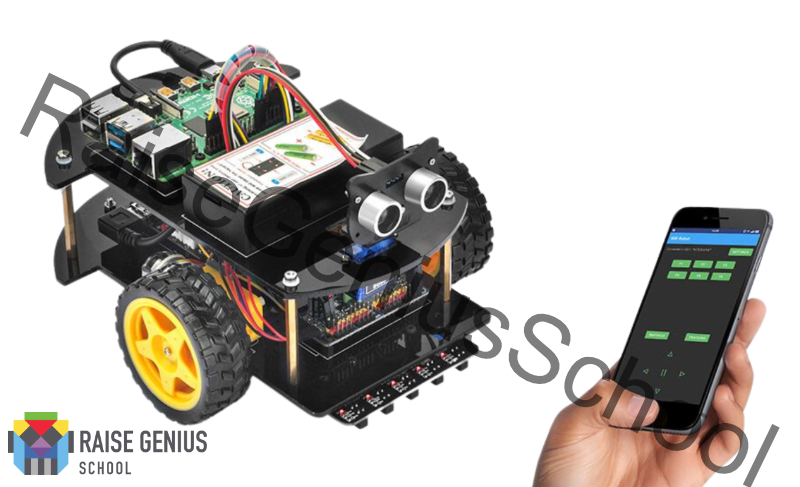
Its Maker example uses Arduino, C++ and IoT, with fourteen two-hour live Sunday sessions and a ratio of up to four learners per teacher. It describes upper-secondary learners and interested lower-secondary pupils with suitable foundations; an IOTBot example names ages nine to thirteen. Confirm current course details and readiness.
When choosing a robotics engineering degree, use supplementary work to understand interests and develop evidence while continuing school mathematics and physics. The family and learner should make the final choice using current official information and the actual curriculum.
Original photographs and artwork
These images are retained from the original page as examples of published learning activities and programme information. Some contain Thai text or historical dates. They do not guarantee the same result for a new learner. Confirm current programmes with the team.
View original images

Frequently asked questions
What matters when choosing a robotics engineering degree?
Compare practical work, usable lab access, industry experience, current application eligibility and full costs. First identify which part of robotics interests the learner.
Must every applicant come from science and mathematics?
Do not assume one rule for every course. The source mentions a broader KMUTT example, but current accepted qualifications and subject requirements must be checked for the exact programme and application project.
Is Mathayom 4 too late to begin?
The source encourages exploring and then developing one or two substantial projects across the remaining years. Realistic timing depends on prior knowledge, the task and actual deadlines.
Can a live online project support a portfolio?
It can provide evidence of the learner’s practical work when the learner understands and can explain it. Course completion does not guarantee acceptance; the institution decides its requirements and selection.
Contact and related pages
Tell the team about the learner or organisation, relevant experience and the intended learning purpose. Confirm the current programme, equipment, availability, schedule and fees before booking.
Contact Raise Genius School service overview
- Study Paths for Young Inventors: Five Options
- School or Offsite Robotics Camps: Five Checks
- Individual or Group Coding Lessons for Children
- Academic or Vocational Robotics after Lower Secondary
- Preparing a School Robotics Camp Venue
- Robotics Camps for Small Schools: Start with the Group
- Primary and Secondary Robotics Camps: Match the Challenge
- Planning Robotics Stations for School Events
- An Authentic TCAS Portfolio: Show Your Own Work
Course-selection guide · Robotics portfolio projects · Competition preparation · Team advice and coaching · Course guide · General FAQ
Related services: School robotics camps · STEM activity stations
Related learning: Raise Maker Arduino · micro:bit robotics · IOTBot & AI · Portfolio preparation · Camp proposal · Accompanying teachers
Related reference: KMUTT official admissions