
Talking about Children’s Projects with Care
RAISE GENIUS · PARENTS & SCHOOLS
Talking about Children’s Projects with Care
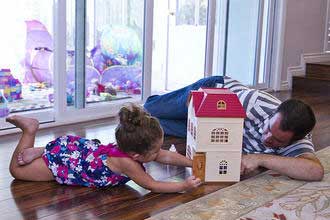
Sharing a construction project is the archive’s invitation to parents. It offers six ways to notice a creation, listen to its story and join in appropriately.
Contact the teamOn this page
Sharing a construction project: give the work attention
First, make time to look when a child brings a completed model. Ask what it is, what it does, how it was made, which part was difficult and how long the process took.
The source encourages a warm response. Specific interest in a choice or effort can make a conversation more meaningful than a general claim that every model is extraordinary. Do not turn the questions into a test with an expected adult answer.
Second, listen to the design story
Ask what inspired the model, how it moves and how its parts join. Give the child time to explain. The article values presentation as an opportunity to organise an account and share a personal achievement.
The learner can demonstrate, point, draw or use another comfortable way to communicate. Confidence is not guaranteed by a single presentation, and a child should not have to perform enthusiasm for an adult.
Third, play together; fourth, show warmth
The source suggests using the model together and offering a playful design question, such as adding a seat for a dog. Help with a repair when invited and discuss a possible next challenge.
Its fourth suggestion concerns affectionate attention, eye contact and touch. Keep these responsive to the child’s comfort and consent. Warmth can be communicated through tone, listening and presence; forced eye contact or continuous touch is not a requirement.
Fifth, connect an idea with family life
The archive imagines asking whether a future robot could help with a broken household appliance. Treat that as a design conversation, not permission for children to open or repair electrical equipment.
Sixth, remember that a child’s explanation will not always resemble an adult’s. Offer a little help at a time rather than a long correction that takes away the enjoyment of sharing.
Keep the outcome in proportion
The source thanks Fahsai’s mother for the photographs and names the school’s historical UTO/UBI relationship. These are archive credits and context, not a guarantee of development or a newly verified endorsement.
Sharing a construction project can be a welcoming shared experience. The optional original school video and links to student work are retained without loading an external player automatically.
Original photographs and artwork
These images are retained from the original page as examples of published learning activities and programme information. Some contain Thai text or historical dates. They do not guarantee the same result for a new learner. Confirm current programmes with the team.
View original images


Original video archive
Choose a link to open the original video on YouTube. No external player, automatic playback or YouTube thumbnail is loaded here. The clips are retained from the published archive; their language, availability and content belong to the original upload.
Frequently asked questions
Must a parent know robotics to ask a useful question?
No. Start with the learner’s intended purpose and listen to the explanation.
Should eye contact or touch be compulsory?
No. Respect the learner’s comfort and consent.
Should a child repair a household electrical appliance?
No. The example is an imaginary design question, not a repair activity.
Contact and related pages
Tell the team about the learner or organisation, relevant experience and the intended learning purpose. Confirm the current programme, equipment, availability, schedule and fees before booking.
Contact Raise Genius School service overview
- Teacher Bung’s Memories and Ideas for a School Break
- Robotics, Cooking, Sport, Numbers, Languages and Clay
- An Archive Comparison with Weekend Learning
- Construction, Textures, Balance and Whole-Body Activity
- Building, Testing, Troubleshooting and Explaining
- Keeping Space for Conversation, Movement and Making
- Making “A Little Longer” Clear and Manageable
- Build a Set, Make a New Model and Tell a Story
- A Moral Dilemma as a Conversation, Not a Test
Course-selection guide · Robotics portfolio projects · Competition preparation · Team advice and coaching · Course guide · General FAQ
Related services: School robotics camps · STEM activity stations
Related learning: Raise Maker Arduino · micro:bit robotics · IOTBot & AI · Portfolio preparation · Camp proposal · Accompanying teachers
Related reference: NAEYC: developmentally appropriate practice


