
SCHOOL SERVICES · RAISE GENIUS
Robotics Competition Training: FLL & WRO Preparation
Robotics competition training gives learners a reason to design, build, program and solve problems together. Raise Genius helps pupils prepare a team and develop practical project skills, drawing on the FLL and WRO experiences recorded in the programme archive.
Discuss your school’s plansOn this page
Four skills in robotics competition training
Robot design: pupils investigate a mission, explore possible mechanisms and build a robot that can be tested. The aim is to connect science and engineering ideas with a working design, rather than simply follow a finished solution.
Programming: learners write and improve the instructions that control their robot. Practice includes observing what happens, identifying a difficulty and trying a more suitable approach. The hardware and software must match the chosen competition rules.
Project development: teams research an issue, consider possible solutions and prepare to explain their work. Pupils practise finding information, making decisions and presenting what they have learned through their own effort.
Teamwork: training encourages discipline, sportsmanship, shared responsibilities and problem solving under constraints. Learners practise both leading and supporting teammates. The educational purpose extends beyond winning or losing a match.
FLL preparation described in the published archive
The original page describes a FIRST LEGO League preparation course for the 2019-2020 period, with a city-related theme. The archived course targeted ages nine to sixteen and described up to ten pupils with one coach. Those figures belong to the earlier course description and are not a statement of current eligibility or team size for every edition or country.
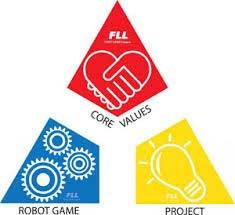
The archived FLL outline identifies four areas: Robot Game performance, a creative project, robot design and Core Values. Pupils were expected to do the thinking, building, organising and problem solving themselves, while a coach guided their experience.
The source timetable describes team formation from November 2019, preparation from November 2019 to January 2020, and an anticipated event around January 2020. These dates are historical. They do not announce an open training round or a current competition registration.
Before planning a new team, check the current official FLL season materials and the local organiser. Editions, event availability, age criteria, permitted equipment and preparation requirements may differ from this archived example. Confirm the school or family’s actual timetable and the institute’s current training availability before booking.
WRO preparation described in the published archive
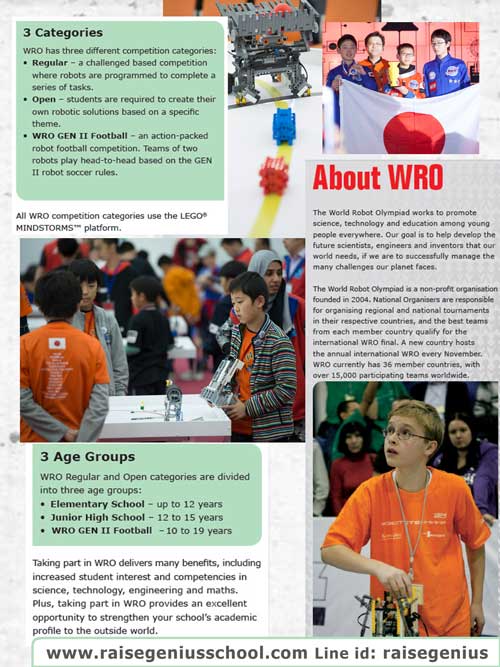
The source also retains an earlier World Robot Olympiad preparation project for 2018. It describes team formation around May to June, training from May to September and an anticipated event around September 2018. These are archive dates, not the current calendar.
The earlier course invited interested learners aged nine to nineteen who had time to practise with a team. It refers to younger and junior age divisions and to creative projects. The source includes old birth-year ranges and references to earlier host countries; those details should not be used to determine present eligibility.
The stated objectives connect robot design and programming with teamwork, discipline, sportsmanship and confidence. The programme follows the institute’s constructionist learning approach: pupils develop understanding through making and testing their own work.
The archive names LEGO NXT and EV3 equipment in the context of earlier competition preparation. A current event may specify different categories, materials and technical rules. Check official WRO category and season documents, then agree the required equipment and training scope before purchasing kits or committing to an event.
Historical FLL and WRO team achievements
The FLL 2019-2020 section records an Excellence Engineering Award for the team named Raise Chichek&Egg in the original page, and a Competitor Award for Team EXP. The accounts recognise the pupils’ effort and family support. Team-name spelling and award wording should be checked against the original event records before new promotional use.
The archive also records an Innovation Award at the Thailand FLL competition in 2014, first place in the Project Award in 2013, and third place in the Project Award in 2012. The accompanying stories describe learning construction, line-following and programming, and developing cooperation among pupils from different schools.
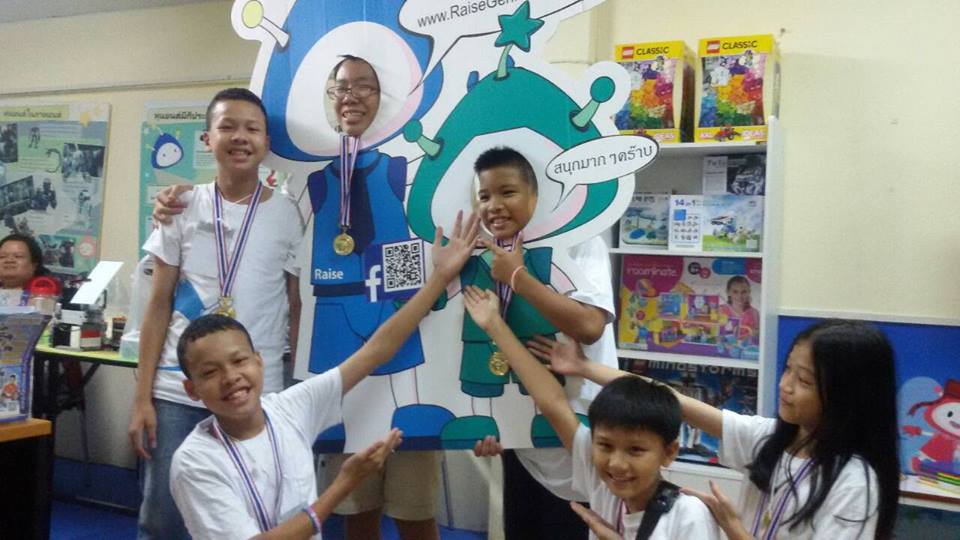
The WRO section records a 2013 championship achievement in the creative-project category for the under-twelve division. Photographs and captions are retained as historical examples of the institute’s work, rather than promises about a new team’s results.
The original profile references past support through the KMUTT University Business Incubator, the National Innovation Agency and franchise development through the Department of Business Development. These are historical background statements and do not establish current competition-organiser endorsement or affiliation.
Plan a current training enquiry
Begin with the learners’ ages, experience, team members and the intended competition or project. Tell the team what equipment is already available and how much practice time the pupils can realistically commit. The archived programme expects learners to make time for teamwork and practical preparation.
Request confirmation of the current training schedule, coach availability, venue, fees and equipment. Clarify whether event registration, travel, robot kits or other materials are included in the proposal; the original page does not establish a current all-inclusive package.
For a school that needs continuing guidance, explore the related advice and coaching service. Robotics competition training is an educational preparation service, not a guarantee of entry, selection, awards, international travel or future admission. Contact Teacher Num and the Raise Genius team through the English contact page to discuss a suitable next step.
Published project photographs
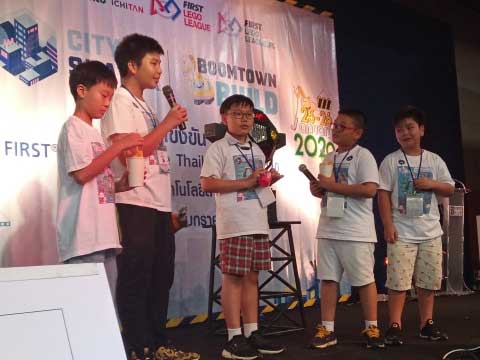
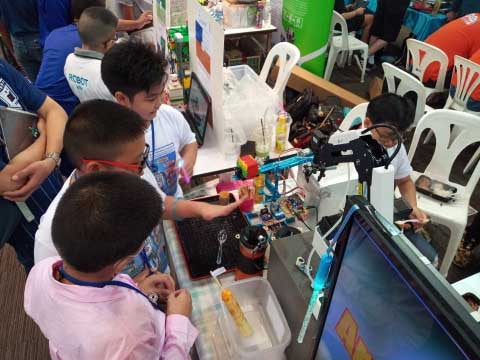
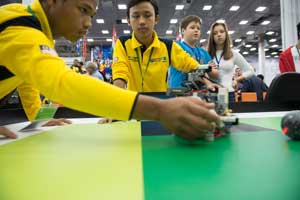
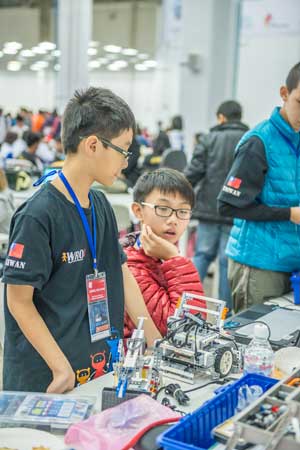
These images are retained from the original service page as examples of previous work. Some contain Thai text or historical dates and prices. Confirm current equipment, availability and conditions with the team.











Frequently asked questions
Who can enquire about robotics competition training?
Learners interested in team projects and willing to practise can discuss their age, experience and goals with the team. The archived FLL course lists ages 9-16 and the archived WRO course 9-19; confirm current course readiness and the intended event’s eligibility separately.
Are the FLL and WRO dates on the original page current?
No. The source preserves FLL preparation from November 2019 to January 2020 and a WRO preparation project from May to September 2018. Contact the institute for current training availability and check the organiser’s current event calendar.
How many pupils should be in a team?
The earlier FLL course describes up to ten pupils with one coach. That is an archived course example, not a universal current rule. The number must fit the chosen event, edition, category and local requirements.
Can an existing NXT or EV3 kit be used?
Those kits appear in the historical course description. Confirm current permitted hardware, software and category rules with the organiser before assuming an older kit is eligible or buying equipment for a team.
Does training guarantee a competition place or award?
No. The service develops design, coding, project and teamwork skills. Event entry depends on the organiser’s requirements, and selection or awards cannot be guaranteed. Historical achievements describe previous teams only.
How is this different from ongoing team coaching?
This page introduces competition preparation and historical course examples. The related advice and coaching service describes independent project consultation and more continuous guidance. Ask the team which arrangement fits the pupils and school.
Contact and related school services
Tell the team the school name, year groups, pupil or teacher numbers, preferred dates, location and budget. Agree the current content, equipment, fees, schedule and responsibilities in a written proposal before booking.
Contact Raise Genius School service overview
Current organiser resources: Official FIRST LEGO League information and Official World Robot Olympiad competition resources. Check the current season and local organiser before selecting an event or equipment.
Robotics teacher training · School robotics classrooms · Individual course guide · General FAQ