
2017 Study Advice: AI, Energy and Biosciences
RAISE GENIUS · PARENTS & SCHOOLS
2017 Study Advice: AI, Energy and Biosciences
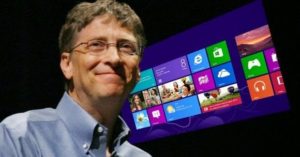
The 2017 study advice article reflects on a report of Bill Gates’s message to new graduates and three fields that interested him: AI, energy and biosciences.
Contact the teamOn this page
The setting for the 2017 study advice
The Thai source describes a series of posts made in May 2017 and imagines the question: if an experienced technology founder were starting to study again, which fields would attract attention? Its discussion is an interpretation of advice reported at that time, not a current list of recommended degrees.
The article introduces Gates through Microsoft and his public profile. His interest in a field can start a conversation, but prominence or personal wealth does not prove that a subject suits every learner. This translation does not reproduce a quotation or claim to verify the precise wording of an unavailable original post.
Artificial intelligence and energy
The first field discussed is artificial intelligence. The source links it with the attention surrounding AlphaGo and asks how machines might assist productive or creative work. The lesson is to notice a developing field and ask what problems it addresses, rather than assume a system can solve every human task.
The second field is cleaner energy. The article discusses batteries, electric vehicles and solar roofs as examples of ideas crossing traditional industry boundaries. Its comments about product prices and competing companies belong to 2017; they are not current specifications, an investment recommendation or a promise that a technology is the cheapest option.
Biosciences and careful interpretation
The third field is bioscience, which the source associates with understanding health and improving lives. The original makes an overly simple statement that DNA testing can identify where a person will develop cancer. This translation does not repeat that as medical guidance or a prediction for an individual.
Instead, the archive can introduce the idea that biology, engineering and computing can interact. Learners can ask what a research question is, how evidence is gathered and what remains uncertain. Personal medical decisions belong with qualified health professionals, not a general educational story about career interests.
Use 2017 study advice as a conversation starter
The author’s main enthusiasm is about being willing to learn beyond a familiar subject. AI, energy and biosciences are examples used in the source, not the only worthwhile fields or a ranking that determines a child’s future. Interests and opportunities can change over time.
Parents can ask which problem the learner finds interesting and what small, supported activity could help them explore it. An archived forecast cannot guarantee future employment, income or success. A child can explore ideas without being expected to choose a permanent career from a famous person’s old list.
Original photographs and artwork
These images are retained from the original page as examples of published learning activities and programme information. Some contain Thai text or historical dates. They do not guarantee the same result for a new learner. Confirm current programmes with the team.
View original images
Frequently asked questions
Is this a current ranking of the best degrees?
No. It translates a 2017 discussion of three fields and does not rank all possible study choices.
Does it quote the original social-media posts?
No. It explains the Thai archive’s interpretation without presenting an unverified quotation.
Does the bioscience section give medical advice?
No. The original DNA-testing simplification is not treated as an individual health prediction.
Contact and related pages
Tell the team about the learner or organisation, relevant experience and the intended learning purpose. Confirm the current programme, equipment, availability, schedule and fees before booking.
Contact Raise Genius School service overview
- Offline Translator: The ili Device in the Archive
- Waterwheels and Steam Engines: How Power Changed Work
- Cleaner Energy: Sunlight, Wind and Water
- Vehicle Power: Electric, Hydrogen and Compressed-Air Ideas
- Steam Power: An Invention that Changed Machines
- Everyday Robots: Household Ideas from the Archive
- Future Robots: Four Examples from a 2016 Story
- Robot Construction: Ready-Made Toys and LEGO Kits
- Creative Robot Projects: Seven Student Ideas
Course-selection guide · Robotics portfolio projects · Competition preparation · Team advice and coaching · Course guide · General FAQ
Related services: School robotics camps · STEM activity stations
Related learning: Raise Maker Arduino · micro:bit robotics · IOTBot & AI · Portfolio preparation · Camp proposal · Accompanying teachers
Related reference: School services
