
Steam Power: An Invention that Changed Machines
RAISE GENIUS · PARENTS & SCHOOLS
Steam Power: An Invention that Changed Machines
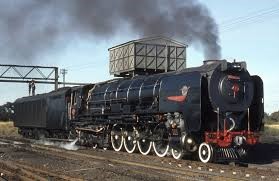
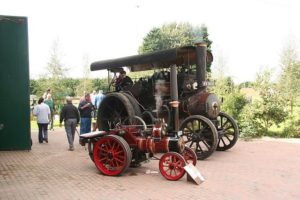
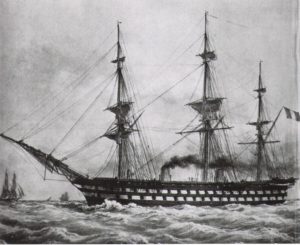
Steam power is the invention celebrated in this archive article. The source introduces it through familiar pictures of trains, ships and other machines.
Contact the teamOn this page
How steam power entered the story
The original author describes an unfamiliar-looking engine and then connects it with vehicles that children may recognise. The central point is that a way of producing mechanical work can be adapted to many different tasks. It is not necessary for a learner to know every component before asking what the machine does.
The Thai article attributes an invention in Buddhist year 2248, or 1705, to Thomas Newcomen. The Science Museum identifies a practical Newcomen engine installed near Dudley Castle in 1712. This translation corrects that milestone and avoids describing one date or inventor as the entire history of steam technology.
Pumping, movement and later developments
Early atmospheric engines were developed for pumping tasks. Later engineers improved designs and adapted power for machinery and transport. Ships, locomotives and factory drives required their own engineering developments; they did not all follow directly from one unchanged early engine.
The source also mentions steam-powered road vehicles and uses transport to explain the movement of goods and people. These are broad historical applications. A picture is a starting point for asking about the job and the mechanism, not evidence that all the pictured machines share the same internal design.
Steam power is not an energy source by itself
Steam transfers energy after heat has been supplied. The fuel or other heat source matters when considering cost, efficiency and environmental effects. Calling a machine steam-powered does not establish that it uses clean or free energy.
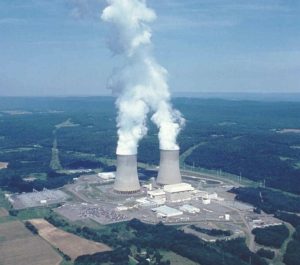
The original says steam became uncommon and was not favoured for electricity generation. That is too broad: steam turbines remain important in many forms of power generation. Distinguish the reciprocating engines associated with old transport from turbines and from the source of heat that drives them.
An invention can influence other fields
The author’s conclusion is that useful ideas are adapted and improved rather than remaining in a single machine. That is an invitation to connect history with mechanisms and problem solving. A learner can identify the input, moving parts and intended output in a drawing.
This page does not provide instructions for a pressure vessel, boiler or live steam demonstration. Historical interest should not be confused with a safe home construction plan. Ask a teacher about an appropriate low-risk model if the learner wants to explore motion in class.
Original photographs and artwork
These images are retained from the original page as examples of published learning activities and programme information. Some contain Thai text or historical dates. They do not guarantee the same result for a new learner. Confirm current programmes with the team.
View original images


Frequently asked questions
Is 1705 the accepted first practical Newcomen milestone?
The Science Museum account places the first practical installation in 1712. The English page corrects the archive’s date.
Has steam disappeared from electricity generation?
No. Steam turbines remain important. They should be distinguished from historical reciprocating engines.
Does steam mean the energy is clean?
No. The heat source and the complete system determine the impacts.
Contact and related pages
Tell the team about the learner or organisation, relevant experience and the intended learning purpose. Confirm the current programme, equipment, availability, schedule and fees before booking.
Contact Raise Genius School service overview
- Offline Translator: The ili Device in the Archive
- Waterwheels and Steam Engines: How Power Changed Work
- Cleaner Energy: Sunlight, Wind and Water
- 2017 Study Advice: AI, Energy and Biosciences
- Vehicle Power: Electric, Hydrogen and Compressed-Air Ideas
- Everyday Robots: Household Ideas from the Archive
- Future Robots: Four Examples from a 2016 Story
- Robot Construction: Ready-Made Toys and LEGO Kits
- Creative Robot Projects: Seven Student Ideas
Course-selection guide · Robotics portfolio projects · Competition preparation · Team advice and coaching · Course guide · General FAQ
Related services: School robotics camps · STEM activity stations
Related learning: Raise Maker Arduino · micro:bit robotics · IOTBot & AI · Portfolio preparation · Camp proposal · Accompanying teachers
Related reference: Science Museum: steam-engine history

