Vehicle Power: Electric, Hydrogen and Compressed-Air Ideas
RAISE GENIUS · PARENTS & SCHOOLS
Vehicle Power: Electric, Hydrogen and Compressed-Air Ideas
Vehicle power is explored through three examples in the original article. Read the models and figures as a historical comparison rather than a present-day buying guide.
Contact the teamOn this page
Why compare vehicle power?
The source asks why manufacturers explore alternatives to conventional fuel. It points to energy use across manufacturing, driving and disposal, alongside pollution and changing fuel costs. Those are useful questions, but a prediction that oil prices will always rise should not be treated as a fact.
The article mentions efficient combustion cars, alternative fuels, battery-electric vehicles, hybrids and hydrogen vehicles. These are different systems. A vehicle’s environmental impact depends on more than a marketing label, and “eco” does not mean that manufacturing or operation has no impact.
Battery-electric and hydrogen examples
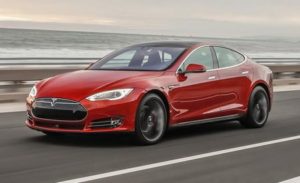
The first example is Tesla Model S, a battery-electric car. The original gives a range of around 480 kilometres and charging examples of eight hours at home or twenty minutes at a Supercharger. These are period-specific claims without enough detail about version, charger or charging interval; this page does not present them as current specifications.
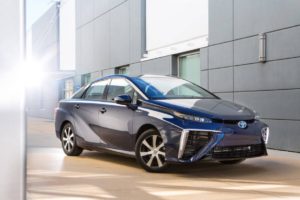
Toyota Mirai illustrates a hydrogen fuel-cell approach: stored hydrogen is used to generate electricity for propulsion. Water is a product of the fuel-cell reaction, but the wider impact also depends on producing and supplying hydrogen. The statement “only water” should not be confused with zero impact over the entire lifecycle.
Compressed air is stored energy
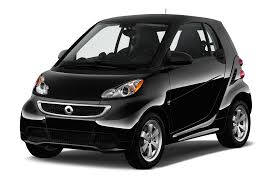
The third example is described in the source as City Cat, a compressed-air vehicle concept associated with India. This translation retains it as the original concept story without claiming a confirmed production vehicle or current availability.
Compressed air does not create energy for free. Energy is needed to compress it before it can do useful work. The original claim that the system needs no electricity or other energy at all is therefore misleading. Ask what supplies the compressor and what losses occur, rather than treating the air tank as an unlimited source.
Compare systems instead of promises
The EPA explains that battery-electric vehicles have no tailpipe emissions, while electricity generation and manufacturing still affect their lifecycle emissions. Actual comparisons depend on the vehicle and energy supply. The important distinction for this archive is between what comes out of the vehicle and what happens across the whole system.
The original author uses unusual cars to encourage curiosity. Learners can sketch where energy is stored and how it reaches motion without building fuel, pressure or high-voltage equipment. This is an introductory technology discussion, not a vehicle purchase recommendation or a hands-on engineering instruction.
Original photographs and artwork
These images are retained from the original page as examples of published learning activities and programme information. Some contain Thai text or historical dates. They do not guarantee the same result for a new learner. Confirm current programmes with the team.
View original images
Frequently asked questions
Are the old Tesla range and charging figures current?
No. Model version, conditions and charging details matter; the archive does not establish present specifications.
Does a hydrogen car have no lifecycle impact?
No. Producing, transporting and storing hydrogen also need consideration.
Can compressed air power a car without any prior energy input?
No. The air must first be compressed using an energy source.
Is this a buying guide?
No. It compares historical technology examples for learning.
Contact and related pages
Tell the team about the learner or organisation, relevant experience and the intended learning purpose. Confirm the current programme, equipment, availability, schedule and fees before booking.
Contact Raise Genius School service overview
- Offline Translator: The ili Device in the Archive
- Waterwheels and Steam Engines: How Power Changed Work
- Cleaner Energy: Sunlight, Wind and Water
- 2017 Study Advice: AI, Energy and Biosciences
- Steam Power: An Invention that Changed Machines
- Everyday Robots: Household Ideas from the Archive
- Future Robots: Four Examples from a 2016 Story
- Robot Construction: Ready-Made Toys and LEGO Kits
- Creative Robot Projects: Seven Student Ideas
Course-selection guide · Robotics portfolio projects · Competition preparation · Team advice and coaching · Course guide · General FAQ
Related services: School robotics camps · STEM activity stations
Related learning: Raise Maker Arduino · micro:bit robotics · IOTBot & AI · Portfolio preparation · Camp proposal · Accompanying teachers
Related reference: EPA electric-vehicle lifecycle discussion