Project Based Learning: Connecting a Goal with Real Work
RAISE GENIUS · PARENTS & SCHOOLS
Project Based Learning: Connecting a Goal with Real Work
Project based learning for children connects a goal with practical experience. Teacher Num’s article describes a process that combines knowledge, teamwork and decisions about resources, time and the people involved. The route can change as a team discovers more about the task.
Contact the teamOn this page
Project based learning for children: plan the whole task
The source begins with a project objective and the work needed to reach it. Pupils investigate the question, gather information, consider the people affected and examine the resources available: tools, space, team abilities and relevant knowledge.
They then set the working requirements, outline a plan and carry it out. The article uses the word pivot for a timely adjustment when circumstances or information change. Timing, risks and an alternative plan remain part of the work.
This approach draws on more than one subject. Calculations, design, making, research and explanation may all be needed for a project, rather than being treated as unrelated exercises. The teacher still needs to help learners acquire the knowledge required for the task.
Three examples with concrete constraints
The first source example asks children to create a more pleasant, shaded area in front of a home within one week and a budget of THB 2,000. The purpose of the numbers is to make planning choices concrete; they are an illustrative project budget, not a course fee.
The second asks what pupils could make and sell at a school New Year event the following week, starting with no more than THB 1,500 and aiming not to make a loss. The activity connects a product idea with cost, time and the intended customers.
The more demanding example is to develop work and a portfolio for an intended undergraduate programme within three years and before the application deadline. The article uses it to illustrate a longer project with a destination and a time constraint, not a universal admissions timetable.
In each example, project based learning for children means working through linked choices. A team has to explain why its plan suits the objective and what it will change if the circumstances do not match its assumptions.
Adaptation, assessment and an archive example
The article compares objectives and key results, or OKRs, with fixed performance indicators as an analogy for adapting work to an overall purpose. Its discussion of Google and workplace evaluation is an author’s historical comparison, not a statement that every employer has replaced KPIs or that one assessment method is always better.
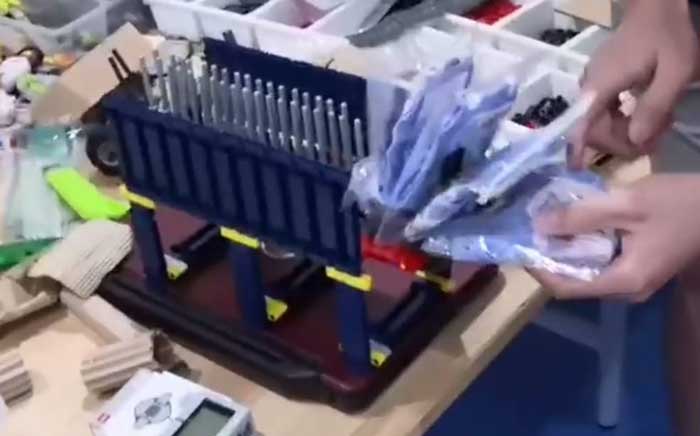
A pandemic-era example considers ways to distribute masks in a community: making a dispensing machine or working through a community leader. Here it illustrates comparing distribution routes and identifying missing information. It is retained as a historical planning example, not advice about current health protection or mask selection.
The original project video is available as an optional Facebook link. The page does not automatically load an external player. A reader can use the archive to discuss the design process without treating it as a new product or current service offer.
Projects and direct instruction can work together
Teacher Num argues that projects can spend more time on inquiry and application, while a conventional classroom may cover a broader set of supplied material. This is his comparison, not a rule that projects necessarily teach less knowledge.
The article also says a family need not choose one approach exclusively. Direct teaching can provide foundations, and a project can give pupils a reason to use and connect them. Consider the learner’s interests and the demands of the task.
For project based learning for children, ask what the learner will investigate, what knowledge is needed, how progress will be reviewed and how a final explanation will show the work. A visible product alone does not describe the whole learning process.
The original article encourages parents to explore schools using this approach and to discuss what suits their child. Confirm the actual programme, teacher support, materials and learning goals rather than choosing on a label alone.
Original photographs and artwork
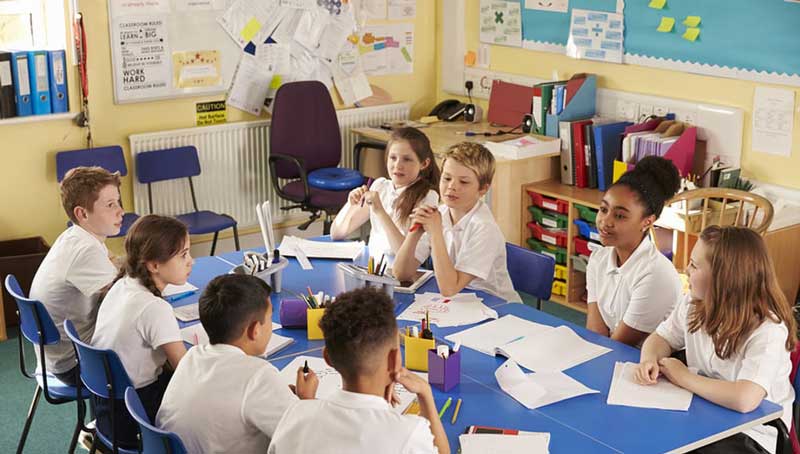
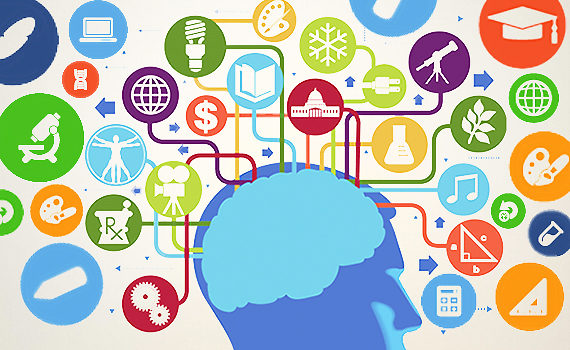
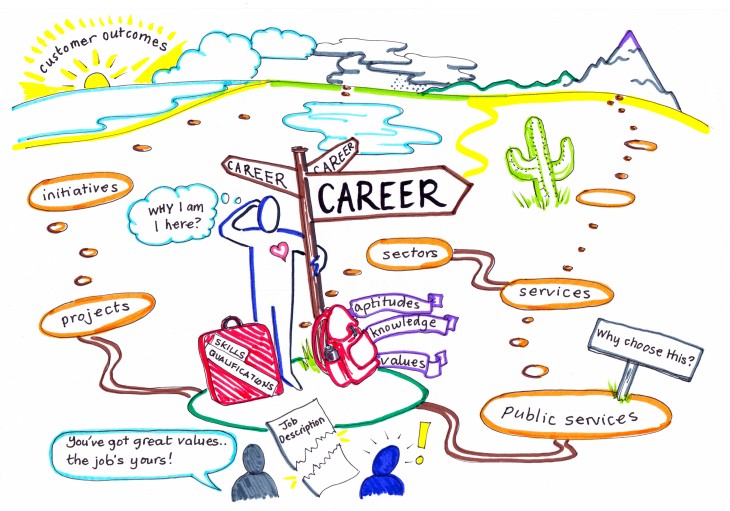
These images are retained from the original page as examples of published learning activities and programme information. Some contain Thai text or historical dates. They do not guarantee the same result for a new learner. Confirm current programmes with the team.
View original images


Frequently asked questions
What is project based learning for children?
In this article it is learning through pursuing a project goal while researching, planning, making decisions, carrying out work and reviewing changes. The teacher helps pupils connect the knowledge and skills they need.
Are the THB 2,000 and THB 1,500 figures course prices?
No. They are illustrative budgets for a small home project and a school-event sale in the original article.
Does project learning replace subject teaching?
The source says the approaches can be combined. A teacher can teach foundations and help pupils apply them during a project.
Is the mask-distribution example current health guidance?
No. It is a pandemic-era example used to discuss planning and comparing distribution routes, with an optional archive video.
Contact and related pages
Tell the team about the learner or organisation, relevant experience and the intended learning purpose. Confirm the current programme, equipment, availability, schedule and fees before booking.
Contact Raise Genius School service overview
- Preparing a Portfolio for Robotics, Mechatronics or AI Admissions
- Preparing Teachers to Start a School Robotics Subject or Club
- Why Online Learning Can Be Difficult, and What to Discuss
- Why a University Portfolio Starts with Knowing Yourself
- Learning with Fun, Challenge and Useful Skills
- Flipped Classroom Learning: Prepare, Ask and Apply
- More than a Robot: Making, Thinking and Working Together
- Girls Learning Robotics: Two Stories of Participation
- Why Children Learn about Technology and STEM
Course-selection guide · Robotics portfolio projects · Competition preparation · Team advice and coaching · Course guide · General FAQ
Related services: School robotics camps · STEM activity stations
Related learning: Raise Maker Arduino · micro:bit robotics · IOTBot & AI · Portfolio preparation · Camp proposal · Accompanying teachers
Related reference: PBLWorks: what is project based learning? · Original mask-dispenser project video (Facebook archive)