
RAISE GENIUS · PARENTS & SCHOOLS
Robot Invention: Creative Learning through Student Projects
Robot invention gives children opportunities to turn an idea into something they can build, test and explain. The source illustrates those opportunities through individual student projects.
Contact the teamOn this page
Robot invention begins with an idea
The original page lists creativity, imagination, observation, experimentation, programming, physics, teamwork, presentation and persistence among the skills its activities aim to practise. These are educational intentions and observations, rather than a promise that every child will develop in the same way or within a fixed time.
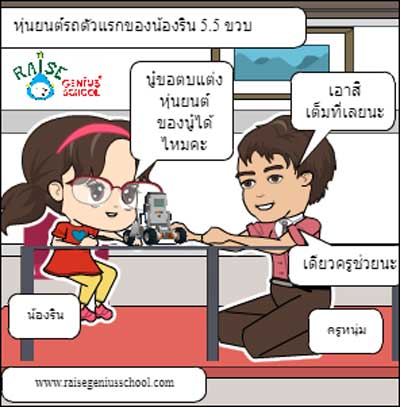
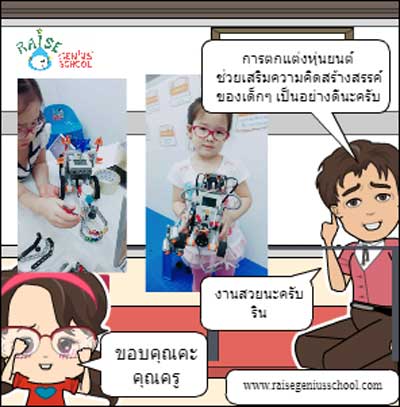
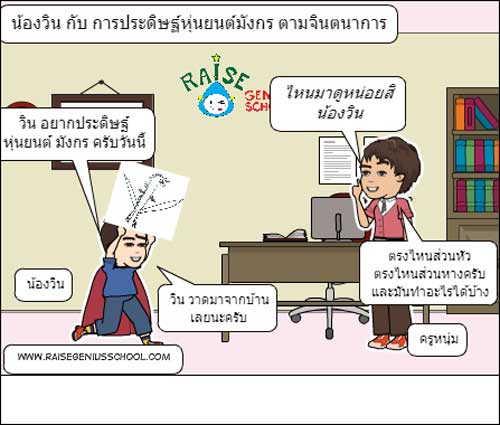
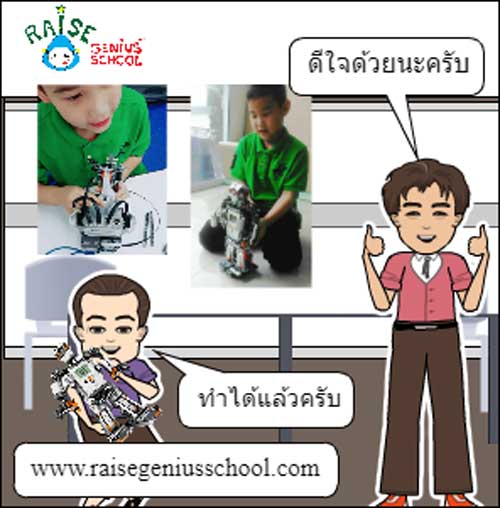
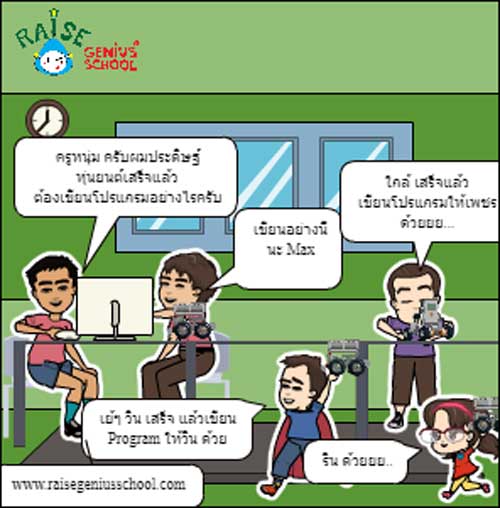
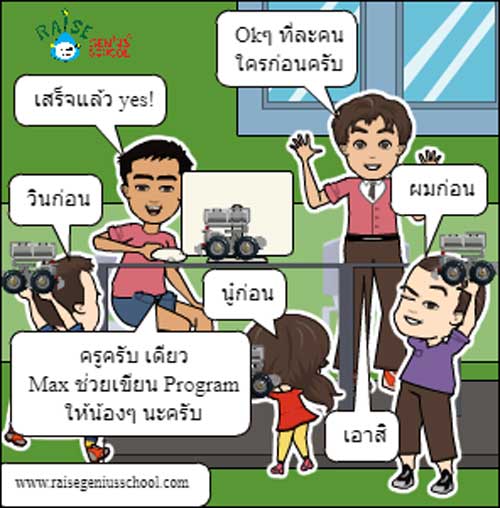
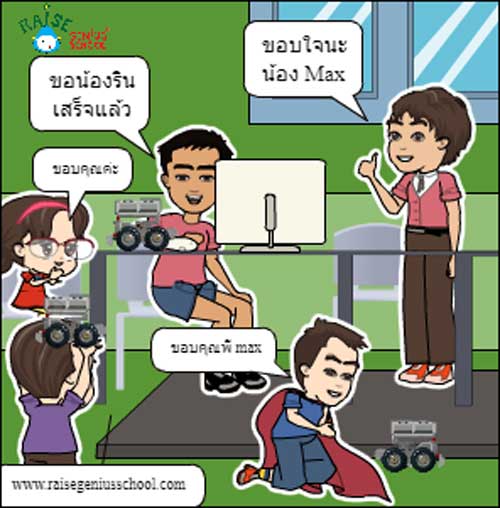
In the younger learners’ examples, Rin decorates a completed robot and Win brings a drawing of an imagined design from home. The teacher helps translate an idea into a moving construction. Their names and age ranges describe the original archive; they are not present-day ages or eligibility rules for a new class.
Robot invention takes patient revision
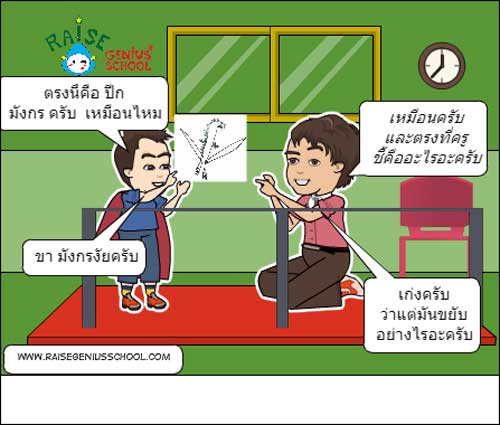
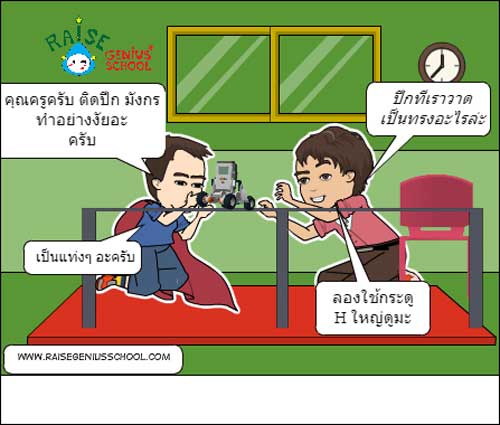
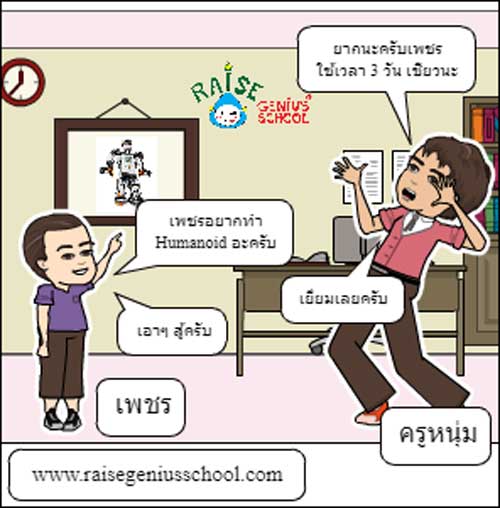
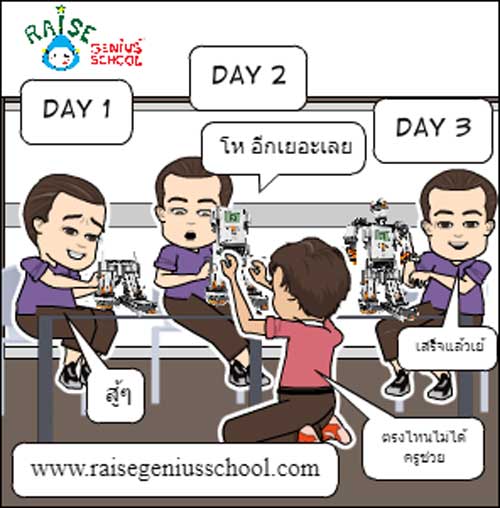
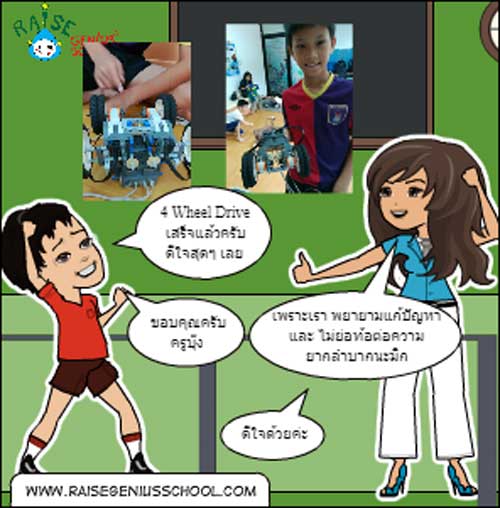
Phet’s story describes an ambitious design that took almost nine hours spread over several sessions. The teacher checked that the learner wanted to continue and helped with difficult parts. The point is supported effort and meaningful choice, not a recommended session length or a demand to persist regardless of fatigue.
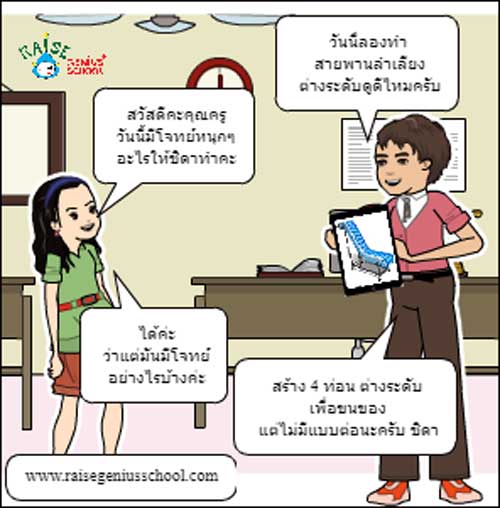
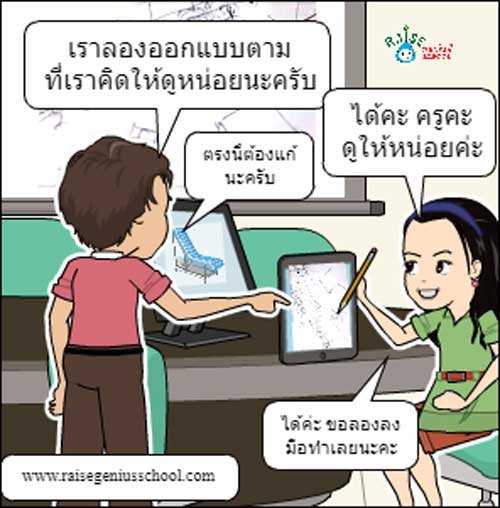
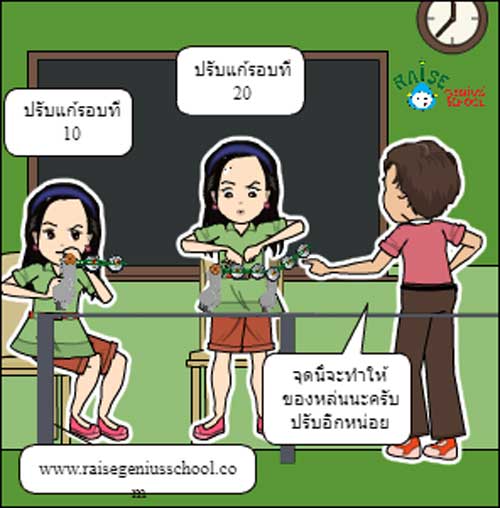
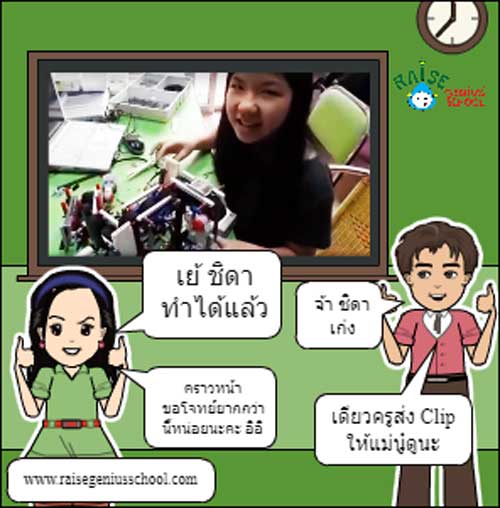
For an older learner such as Chida, a challenge can move from interpreting a problem to sketching, planning a system, building without a complete step-by-step model, testing and presenting. A visible working result can be satisfying, but an unsuccessful test also provides useful information about what to change.
Research, public presentation and encouragement
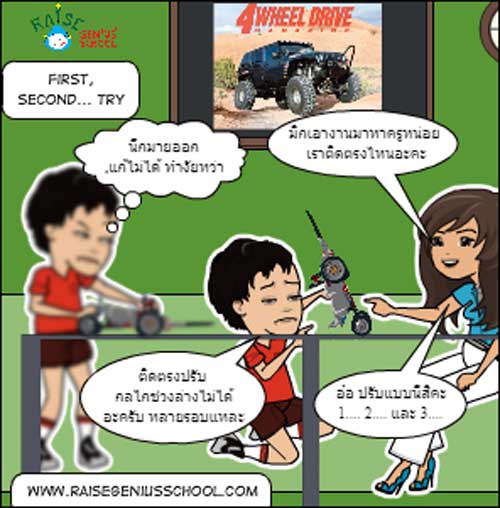
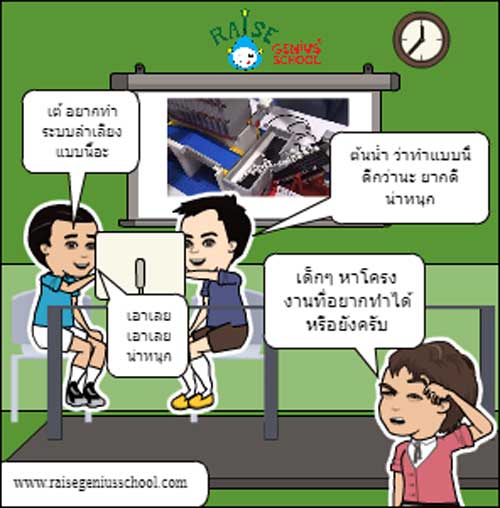
Mik’s example adds research: exploring ideas, comparing references and choosing which parts of a project to develop. The source links this to planning, building, testing and explaining an original construction. A teacher can help a learner distinguish a borrowed idea from their own changes and describe both honestly.
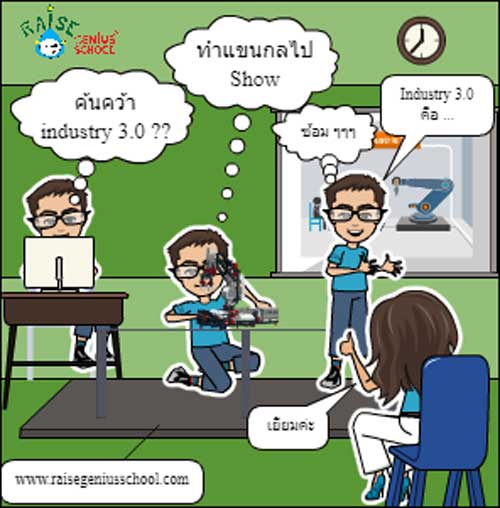
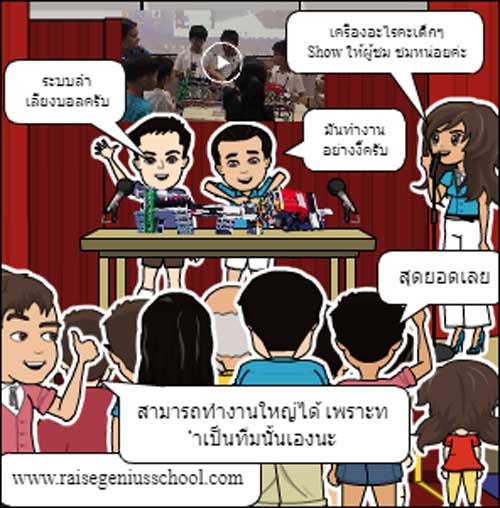
Fluke’s exhibition work follows a longer sequence: understand the task, research, summarise, design, build, test, prepare a presentation and answer questions from visitors. In Sern’s story, encouragement from adults helps with the nervousness of speaking publicly. These are individual experiences, not guaranteed exhibition places or admissions results.
Robot invention also involves other people
The archive describes Maxnum helping younger learners after completing his own work. Peer support can give a more experienced child another chance to explain code while helping a classmate. It should support understanding rather than simply completing the other learner’s project for them.
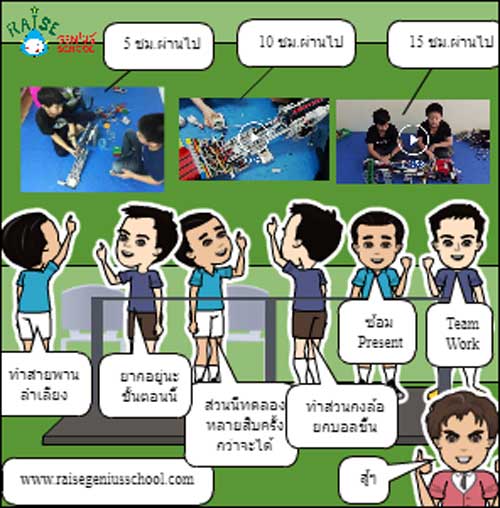
Tae and Tonnam illustrate teamwork across strategy, structural design, programming, presentation and reports. The source’s wider message is that useful skills require practice, support and repeated opportunities. Parents can ask about what the child tried, what changed after a test and which contribution belongs to each teammate.
Original photographs and artwork
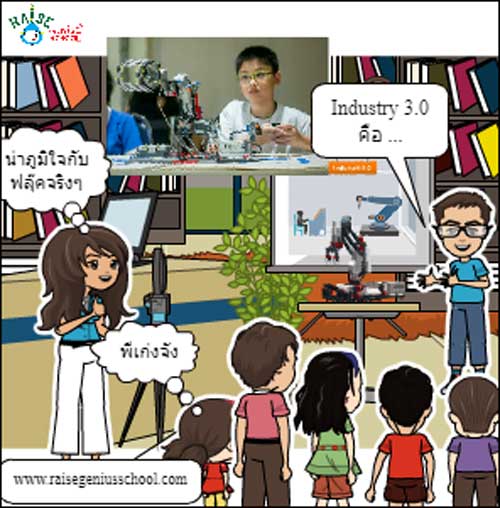
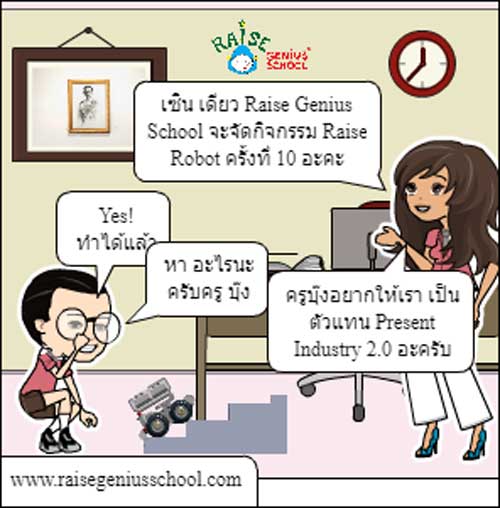
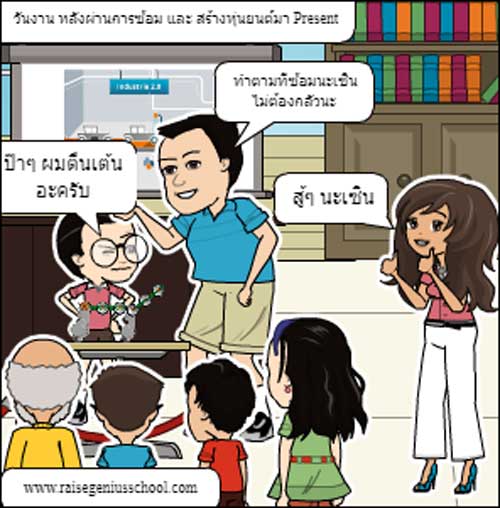
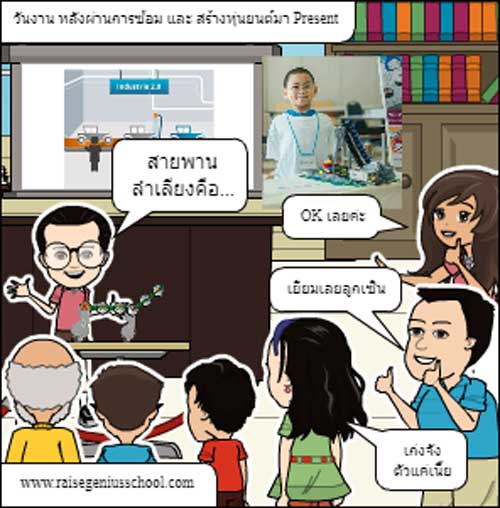
These images are retained from the original page as examples of published learning activities and programme information. Some contain Thai text or historical dates. They do not guarantee the same result for a new learner. Confirm current programmes with the team.
View original images



Original video archive
Choose a link to open the original video on YouTube. No external player, automatic playback or YouTube thumbnail is loaded here. The clips are retained from the published archive; their language, availability and content belong to the original upload.
Frequently asked questions
Does robotics guarantee better concentration or creativity?
No. The source shows opportunities to practise and individual observations; outcomes vary with the learner, activity and support.
Are the ages in the student stories current entry requirements?
No. They belong to archived examples. Confirm current courses and suitability with the team.
What can a parent ask after a project?
Ask what the learner intended, what happened during testing and what they would change next. A polished result alone does not show the whole learning process.
Can children help one another?
Yes, the source includes peer support and teamwork. Teachers should still make each learner’s understanding and contribution visible.
Contact and related pages
Tell the team about the learner or organisation, relevant experience and the intended learning purpose. Confirm the current programme, equipment, availability, schedule and fees before booking.
Contact Raise Genius School service overview
- October Robotics Camp: 4 Useful Planning Checks
- Holiday STEM Camp: A Practical School Planning Guide
- Online LEGO Coding: Live Robotics Learning from Home
- STEM Robotics Lessons: A Flexible School Curriculum
- Service Robots: A COVID-19 Technology Archive
- School Camp Visit: Memories from Sap Noi Nuea
- Toy Safe: A Playful Locking-Mechanism Project
- Learning Habits: Small Goals and Supportive Practice
- Family Media Habits: Games, Balance and Conversation
Course-selection guide · Robotics portfolio projects · Competition preparation · Team advice and coaching · Course guide · General FAQ
Related services: School robotics camps · STEM activity stations
Related learning: Raise Maker Arduino · micro:bit robotics · IOTBot & AI · Portfolio preparation · Camp proposal · Accompanying teachers
Related reference: School services