
Pretend Roles, Stories, Shared Building and Personal Designs
RAISE GENIUS · PARENTS & SCHOOLS
Pretend Roles, Stories, Shared Building and Personal Designs
Why construction play appeals is the question in this archive. The author offers five observations about LEGO play rather than a measured ranking of toys.
Contact the teamOn this page
Why construction play appeals: pretend roles
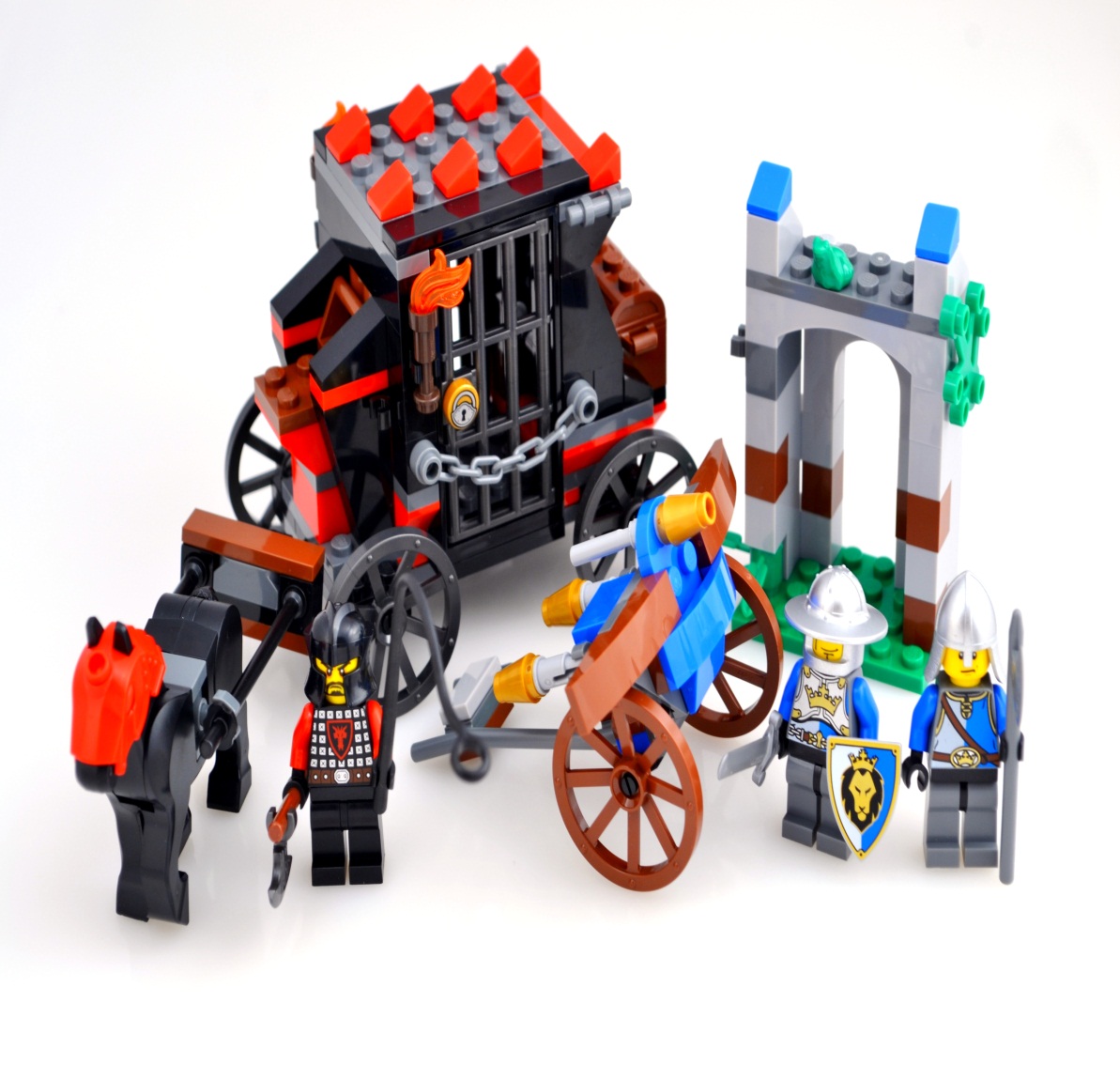
First, the source describes recreating familiar adult settings such as a shop, a vehicle, a police station or a fire station. A model provides a setting in which a child can invent what happens.
Any learner can try a role. The article’s comparison with other toy fashions is the author’s opinion, not current sales data or evidence that another kind of play is inferior.
Second, tell a story; third, build with someone
Minifigures can become characters in a conversation created by the learner. A family can ask what each character is doing without treating the dialogue as a clinical measure of social ability.
Shared building can involve dividing pieces, combining models and negotiating a next step. It is not automatically free of disagreement or competition; appropriate guidance and respect for another learner’s idea still matter.
Fourth, work within the pieces available
The source notes that a kit does not contain a ready-made part for every imagined object. Combining basic shapes creates a design challenge, with several possible arrangements.
A simpler model can still express a clear idea. The challenge should fit the learner rather than require an adult-level sculpture or repeated purchases of more pieces.
Fifth, share something personally made
The author values the opportunity to show family a creation. A specific conversation about a choice or an improvement can be offered without making approval depend on a flawless product.
The closing section mentions motors, sensors and programming in some LEGO systems. Not every kit includes them, and the page does not confirm current product availability. Why construction play appeals can differ from child to child; enjoyment is not a guarantee of a developmental outcome.
Original photographs and artwork
These images are retained from the original page as examples of published learning activities and programme information. Some contain Thai text or historical dates. They do not guarantee the same result for a new learner. Confirm current programmes with the team.
View original images

Frequently asked questions
Are the five perspectives a proven toy ranking?
No. They are observations and examples from the author.
Does shared building guarantee there will be no disagreement?
No. Cooperation can require guidance and negotiation.
Does every LEGO set include motors and sensors?
No. Equipment differs by set and system.
Contact and related pages
Tell the team about the learner or organisation, relevant experience and the intended learning purpose. Confirm the current programme, equipment, availability, schedule and fees before booking.
Contact Raise Genius School service overview
- Instructions, Shared Services and Familiar Devices
- Guidance, Support, Power and Different Transport Concepts
- From a Checkout Belt to an Airport Baggage System
- A Wire-Walking Video and the Hardware–Software Relationship
- An Apparent Endless Mechanism Needs an Energy Explanation
- Recognising Containers, Recording a Return and Sorting
- Changing Direction, Sharing a Load and Pulling More Rope
- Search, Training and What Self-Play Does Not Prove
- Hadrian, Wall Construction and the Rest of a Building
Course-selection guide · Robotics portfolio projects · Competition preparation · Team advice and coaching · Course guide · General FAQ
Related services: School robotics camps · STEM activity stations
Related learning: Raise Maker Arduino · micro:bit robotics · IOTBot & AI · Portfolio preparation · Camp proposal · Accompanying teachers
Related reference: NAEYC: developmentally appropriate practice · LEGO Group: company history and play context