Study Paths for Young Inventors: Five Options
RAISE GENIUS · PARENTS & SCHOOLS
Study Paths for Young Inventors: Five Options
Study paths for inventors do not lead to one single faculty. The source compares mechanical, electrical, computer and robotics engineering with product design and innovation. A child can begin exploring the habits of an inventor through small projects before choosing a university specialism.
Contact the teamOn this page
Five study paths for inventors to explore
Mechanical engineering suits an interest in mechanisms, gears, levers, forces and moving components. Mathematics and physics become important foundations for understanding why the mechanism behaves as it does.
Electrical and electronic engineering connects circuits, sensors, motors and controllers. A learner investigates how a device receives information and responds, with patient troubleshooting one component at a time.
Computer engineering can connect software with physical equipment. A learner who wants to work with real devices should inspect the actual curriculum for hardware opportunities rather than assume every computing programme has the same emphasis.
Robotics and automation combines mechanisms, electronics and code in a working system. Universities distribute these subjects differently, so compare their course plans before choosing a title.
Product design and innovation focuses on how people use an object and how a prototype can meet their needs. A learner interested in controlled or programmable products may also need engineering and coding foundations.
Four questions for comparing study paths for inventors
Does the learner enjoy building as well as reading? Look for the actual project sequence and practical opportunities, alongside the theoretical subjects that support them.
Which part holds the interest: the mechanism, the circuit or the code? Trying a complete small project can reveal a preference that a photograph of a robot cannot.
How strong are the mathematics and physics foundations? These subjects should develop alongside practical projects if an engineering degree is the goal.
What work can the learner show and explain? Notes about a problem, unsuccessful tests and a design change help describe actual learning. A portfolio route still has its own current academic and document requirements.
Ages nine to twelve: try an idea and test it
The source suggests small projects chosen around a problem the child understands, such as organising a desk or measuring a distance. At this stage, choosing a university faculty is less useful than enjoying construction and seeing an instruction produce a result.
The published IOTBot example for ages nine to twelve begins with graphical programming. The source FAQ also mentions younger Minecraft Education and IOTBot examples around ages six to nine, then more integrated work from twelve. These are different pathway descriptions, not one consistent entry rule. Confirm the exact current course and readiness.
Ask what the learner would improve about something they have taken apart or rebuilt. That question can provide the first project idea without assuming every child already knows a future profession.
Secondary school: connect the mechanism, circuit and code
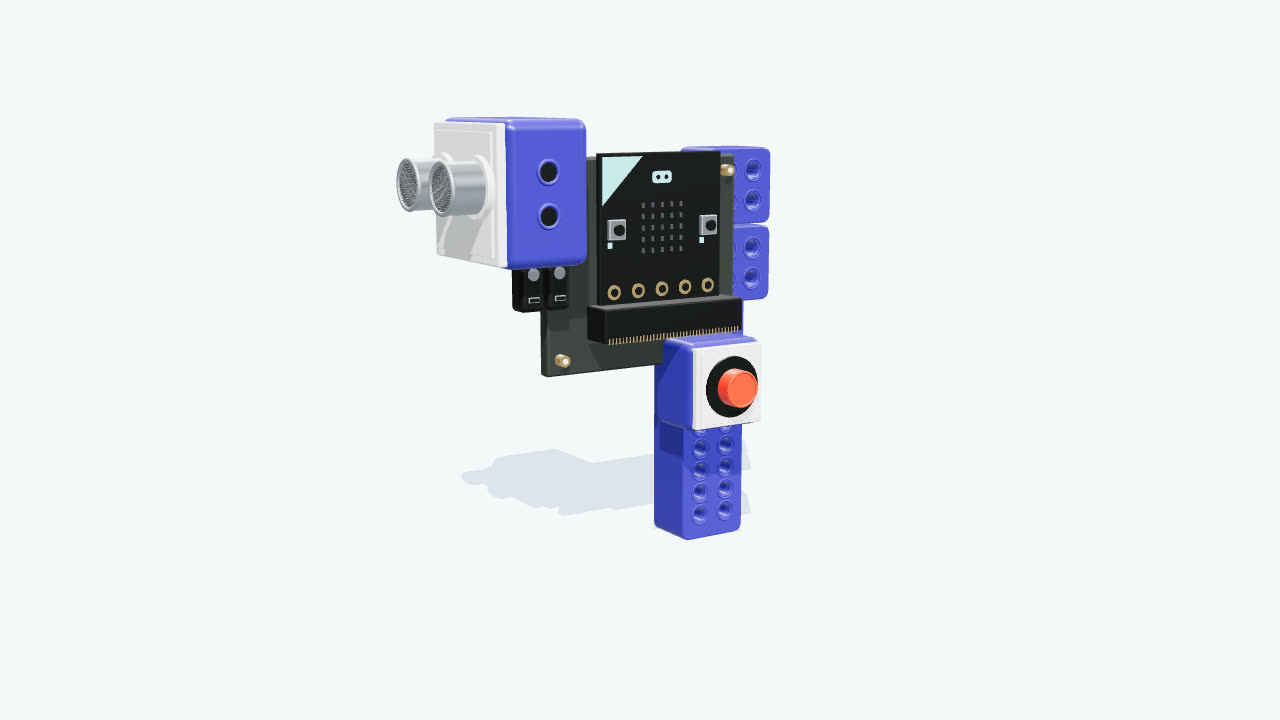
For lower secondary, the source describes combining mechanisms, a controller, sensors and the Internet of Things. Its micro:bit example is a live online small-group programme of fourteen two-hour lessons, twenty-eight hours in total.
For upper secondary, the article gives Raise Maker Arduino automation as another fourteen-session, two-hour example. A project can become a record of how the learner planned, built and tested a working system.
The school can help learners try project work and discuss possible interests; it cannot choose a future field on their behalf. Mathematics and physics remain subjects to develop at school or through appropriate additional teaching.
The original school profile mentions fifteen years of activity and KMUTT business incubation. It recounts Nat entering FIBO through Active Recruitment and Alpha’s ISE Chulalongkorn portfolio admission with a full scholarship. These are attributed school accounts, not guarantees for another learner. Confirm current courses, equipment, sessions and fees before booking.
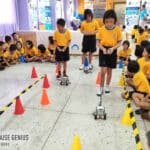
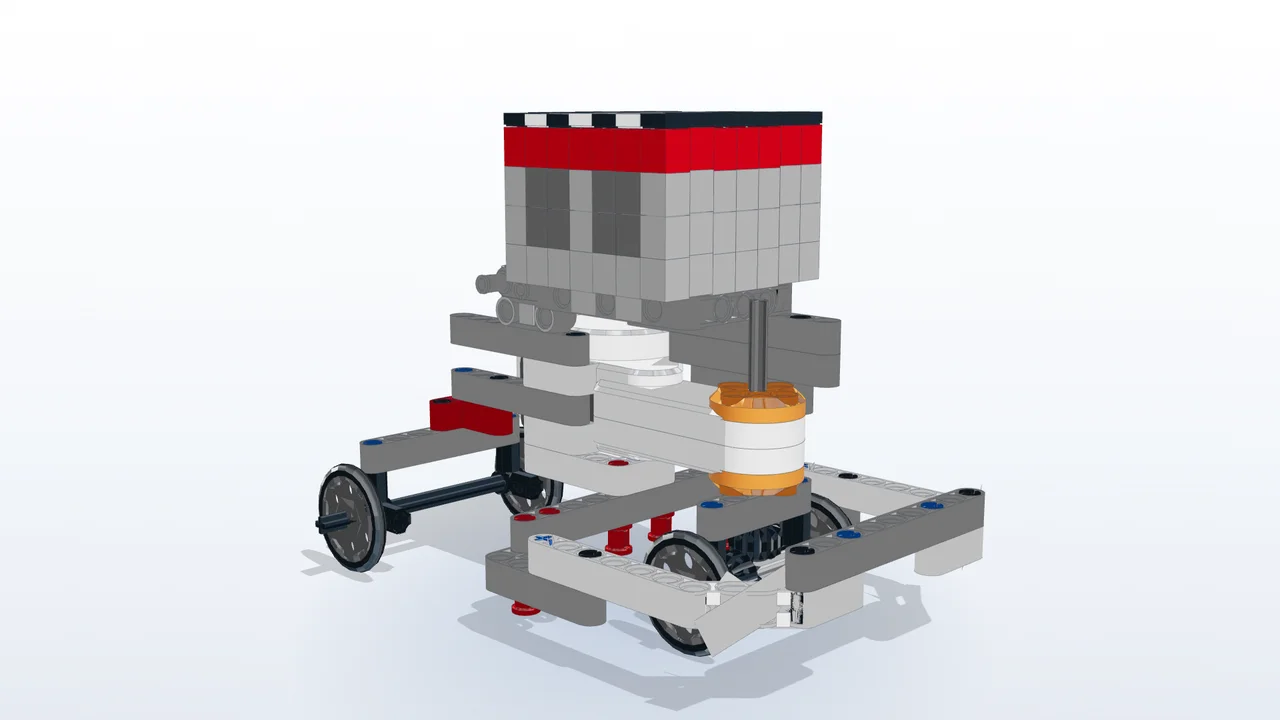
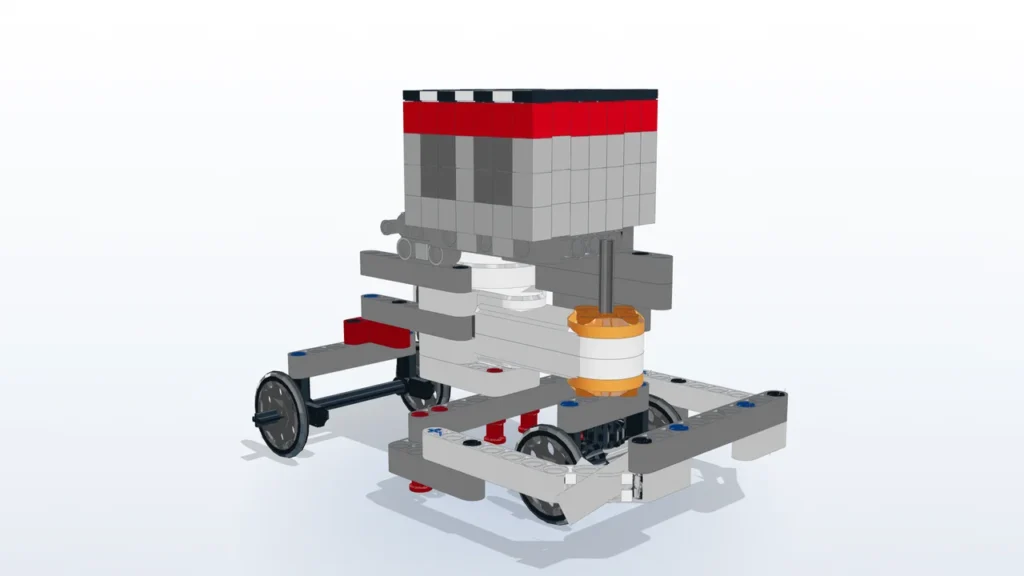
Original photographs and artwork
These images are retained from the original page as examples of published learning activities and programme information. Some contain Thai text or historical dates. They do not guarantee the same result for a new learner. Confirm current programmes with the team.
View original images

Frequently asked questions
Must an inventor study engineering?
No. The source describes engineering as a common practical route, while product design and innovation can also lead to invention. A controlled product may require additional electronics and coding knowledge.
What can a primary pupil start with?
Begin with a small construction or programming project appropriate to readiness. The article gives different age examples across its body and FAQ; confirm the exact current course rather than apply a single threshold.
What should a lower-secondary learner keep?
Keep the project question, sketches, code, tests and explanations of improvements. These can document learning before a later portfolio application, subject to that institution’s rules.
Can a child who finds maths difficult begin inventing?
Curiosity and willingness to test an idea can start early. An intended engineering degree will require stronger mathematics and physics over time, so develop those foundations alongside projects.
Contact and related pages
Tell the team about the learner or organisation, relevant experience and the intended learning purpose. Confirm the current programme, equipment, availability, schedule and fees before booking.
Contact Raise Genius School service overview
- School or Offsite Robotics Camps: Five Checks
- Individual or Group Coding Lessons for Children
- Academic or Vocational Robotics after Lower Secondary
- Choosing a Robotics Engineering Degree: Interests, Labs & Projects
- Preparing a School Robotics Camp Venue
- Robotics Camps for Small Schools: Start with the Group
- Primary and Secondary Robotics Camps: Match the Challenge
- Planning Robotics Stations for School Events
- An Authentic TCAS Portfolio: Show Your Own Work
Course-selection guide · Robotics portfolio projects · Competition preparation · Team advice and coaching · Course guide · General FAQ
Related services: School robotics camps · STEM activity stations
Related learning: Raise Maker Arduino · micro:bit robotics · IOTBot & AI · Portfolio preparation · Camp proposal · Accompanying teachers
Related reference: FIBO undergraduate curriculum