
Wheeled Boards, a Prepared Surface and a Historical Prototype
RAISE GENIUS · PARENTS & SCHOOLS
Wheeled Boards, a Prepared Surface and a Historical Prototype
Hoverboard levitation discussion in this archive separates a wheeled self-balancing board from a prototype that can hover over a particular surface.
Contact the teamOn this page
Hoverboard levitation discussion: one name, different machines
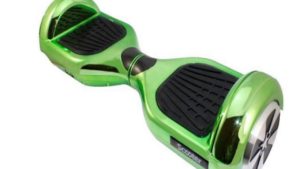
The source notes that “hoverboard” is used for both fictional floating boards and wheeled electric devices. A self-balancing scooter stays in contact with the ground and uses a battery, motors and control.
The article’s suggestion that wheeled devices were simply developed by adding wheels to an earlier floating product is not a verified history. A shared marketing name does not mean the designs have one direct lineage.
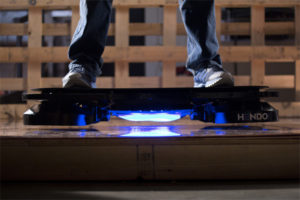
The Hendo example needs a suitable surface
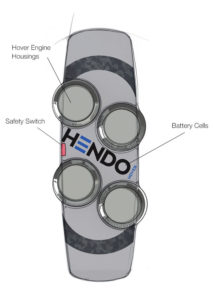
The archive names Hendo and describes magnetic levitation over a prepared conductive surface, including copper or aluminium. It reports a height of about one inch and a load around two hundred pounds, with a higher future target.
Those figures are historical claims, not verified current specifications or an assurance that any metal surface works. The demonstration does not show a board freely travelling above ordinary roads or water.
A similarity to a train does not make systems identical
The source compares the idea with magnetic-levitation trains. Both concern magnetic effects, but their support, propulsion, control and prepared infrastructure can differ substantially.
The optional original video is a starting point for asking where energy comes from and what surface is required. It is not a product certification or proof of a world-first ranking.
Keep an engineering question separate from a ride invitation
The author recognises control and development limits. A learner can discuss a small appropriate demonstration without building or riding a human-carrying prototype.
Hoverboard levitation discussion does not promise a product is currently available, safe for a child or able to float higher in the near future. Check actual equipment guidance for any real device.
Original photographs and artwork
These images are retained from the original page as examples of published learning activities and programme information. Some contain Thai text or historical dates. They do not guarantee the same result for a new learner. Confirm current programmes with the team.
View original images
Original video archive
Choose a link to open the original video on YouTube. No external player, automatic playback or YouTube thumbnail is loaded here. The clips are retained from the published archive; their language, availability and content belong to the original upload.
Frequently asked questions
Does a wheeled hoverboard actually levitate?
No. It travels on wheels.
Does the Hendo description mean it works on any road?
No. The archive describes a particular prepared surface.
Are the old load and height figures current guarantees?
No. They are historical claims in the source.
Contact and related pages
Tell the team about the learner or organisation, relevant experience and the intended learning purpose. Confirm the current programme, equipment, availability, schedule and fees before booking.
Contact Raise Genius School service overview
- Why More Water in One Place Does Not Solve Every Shortage
- Early Missions, Satellite Services and Future Possibilities
- Compact Shelter, Energy, Water and Moving a Structure
- A Theme-Park Experience and a Small Classroom Model
- Sensing, Decisions and a Well-Timed Action
- A Concept Video Is an Invitation to Think, Not a Timetable
- Digital Content Seen alongside a Physical Room
- Headsets, Movement Input and the Limits of a Treadmill Demo
- A Biomaterial Concept, Living Plants and Environmental Claims
Course-selection guide · Robotics portfolio projects · Competition preparation · Team advice and coaching · Course guide · General FAQ
Related services: School robotics camps · STEM activity stations
Related learning: Raise Maker Arduino · micro:bit robotics · IOTBot & AI · Portfolio preparation · Camp proposal · Accompanying teachers
Related reference: NAEYC: developmentally appropriate practice
