
A Biomaterial Concept, Living Plants and Environmental Claims
RAISE GENIUS · PARENTS & SCHOOLS
A Biomaterial Concept, Living Plants and Environmental Claims
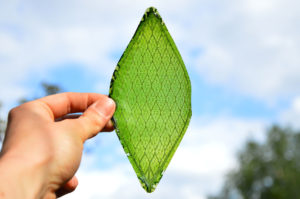
Silk Leaf design discussion concerns Julian Melchiorri’s 2014 concept. The archive’s environmental enthusiasm needs a distinction between a prototype and a verified life-support system.
Contact the teamOn this page
Silk Leaf design discussion in the original account
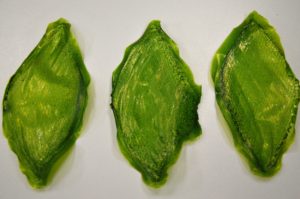
The source describes extracted chloroplasts combined with a silk-protein material, with light and water involved in the proposed photosynthetic function. Melchiorri’s own project page dates Silk Leaf to 2014.
This is a design/research concept, not proof that the page offers a living tree, a complete artificial organism or a certified supply of breathable air for a room or spacecraft. Performance and durability require evidence beyond promotional images.
Plants can grow in space
The archive claims ordinary plants cannot grow without gravity and proposes the concept as an alternative. That claim is incorrect. NASA has grown plants on the International Space Station, including through its Veggie system.
Microgravity introduces challenges for water, nutrients and the growing environment, but it does not make plant growth universally impossible. The NASA reference below provides the relevant research context.
Consider the whole environmental system
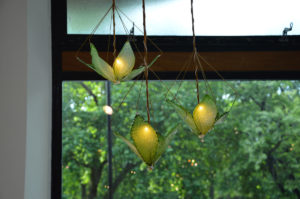
The source imagines lamps, building surfaces and future oxygen provision. These are possible applications to investigate, not confirmed replacements for ventilation, forests or spacecraft life support.
A design can have both benefits and costs involving materials, energy, maintenance and end of life. The archive’s suggestion that all later technology inevitably affects nature less is not a demonstrated universal trend.
Ask what would need to be measured
What goes into the material? Under which conditions does it operate? How much useful output is sustained? What happens when a component degrades? Those questions help separate an appealing image from a tested claim.
Silk Leaf design discussion preserves the original idea without promising an oxygen-producing house or an immediate remedy for environmental damage. It is suitable for a guided conversation, not an instruction to make life-support equipment.
Original photographs and artwork
These images are retained from the original page as examples of published learning activities and programme information. Some contain Thai text or historical dates. They do not guarantee the same result for a new learner. Confirm current programmes with the team.
View original images
Frequently asked questions
Can ordinary plants grow in space?
Yes. NASA has grown plants on the International Space Station.
Is Silk Leaf presented here as certified life support?
No. It is a historical design/research concept.
Does every new technology automatically have a lower environmental impact?
No. The whole life cycle and actual evidence need consideration.
Contact and related pages
Tell the team about the learner or organisation, relevant experience and the intended learning purpose. Confirm the current programme, equipment, availability, schedule and fees before booking.
Contact Raise Genius School service overview
- Why More Water in One Place Does Not Solve Every Shortage
- Early Missions, Satellite Services and Future Possibilities
- Compact Shelter, Energy, Water and Moving a Structure
- A Theme-Park Experience and a Small Classroom Model
- Sensing, Decisions and a Well-Timed Action
- A Concept Video Is an Invitation to Think, Not a Timetable
- Digital Content Seen alongside a Physical Room
- Headsets, Movement Input and the Limits of a Treadmill Demo
- Wheeled Boards, a Prepared Surface and a Historical Prototype
Course-selection guide · Robotics portfolio projects · Competition preparation · Team advice and coaching · Course guide · General FAQ
Related services: School robotics camps · STEM activity stations
Related learning: Raise Maker Arduino · micro:bit robotics · IOTBot & AI · Portfolio preparation · Camp proposal · Accompanying teachers
Related reference: Julian Melchiorri: Silk Leaf project, 2014 · NASA: growing plants in space
