School or Offsite Robotics Camps: Five Checks
RAISE GENIUS · PARENTS & SCHOOLS
School or Offsite Robotics Camps: Five Checks
Choosing school or offsite robotics camps begins with the intended experience. An event at school can reduce travel and include a whole year group. An offsite event can provide a specialist place, a visit or an overnight setting the school does not have. Neither format is automatically best for every group.
Contact the teamOn this page
Five checks for school or offsite robotics camps
Participation: establish how many pupils can actually handle equipment. An offsite event may have transport or venue limits; an event at school can be arranged around whole-year participation when staffing, space and timing support it.
Practical time: compare time spent building, programming, testing and taking part in a challenge. Travel, assembling a group and breaks should not be counted as robotics work merely because they fall inside a camp day.
Responsibilities: identify who handles the venue, transport, supervision, permissions and the event proposal. Staying at school does not remove the need for school approval and preparation.
Total cost: compare the quotation’s included equipment and instruction with travel, meals, accommodation or accompanying-staff costs where relevant. A headline camp fee may cover a different scope in each format.
Evidence afterwards: agree the working group projects, photographs, certificates and learning review that form part of the actual service. A proposed deliverable should be confirmed in the quotation rather than assumed from a previous event.
When school or offsite robotics camps serve different goals
The original favours an in-school event when the aim is for a large proportion of pupils to try practical robotics without spending part of the day travelling. Familiar teachers and rooms can also help a hesitant pupil take part.
An offsite event can be appropriate for an overnight programme, a real factory or science-centre visit, or a school without a suitable covered activity area. Choose a provider experienced in that format and compare the same five questions.
The source’s opening mentions experience with both formats, while a later section says offsite and overnight events are not its main service. Confirm the current offered scope and who is responsible for each part of a proposed trip.
Consider school or offsite robotics camps by year group
Years 1–3: the source favours familiar school surroundings and less travel for younger pupils. It gives a historical Year 1–3 camp at Assumption’s English Programme, Rama II campus, as an example.
Years 4–6: pupils can share construction, programming and testing roles. An in-school event can include a whole year group; a short offsite visit can also serve a clear purpose when properly planned.
Lower secondary: offer a more demanding mission with decisions to make, rather than only a build to copy. The original cites in-school activities at Anuchon Suksa in Kanchanaburi and Saraburi Witthayakhom.
Upper secondary: a specialist university or industry visit may connect to an emerging interest. An in-school introduction can still be useful for a broad group exploring options. These examples do not establish one required format for every age.
School procedures and the published camp example
The original links to Ministry of Education guidance about taking pupils outside an educational institution. Ask the school’s responsible authority to confirm the current applicable rules, approvals, consent, transport and supervision arrangements before an offsite trip. This article does not replace that process.
The published school-service example spans primary to upper secondary and thirty to one thousand pupils across an appropriate camp arrangement. It describes approximately six hours per day, usually two to three days, with assistants and equipment brought by the team.
The source names meeting rooms, computer rooms and halls, group construction, participation certificates and instructors with robotics-related engineering backgrounds. Large participation totals do not mean all pupils can occupy a single station at once.
Confirm the pupil numbers by year group, actual rooms, dates, practical hours, supervision, food, equipment, photographs, certificates and quotation. The related venue and proposal guides help prepare that enquiry.
Original photographs and artwork
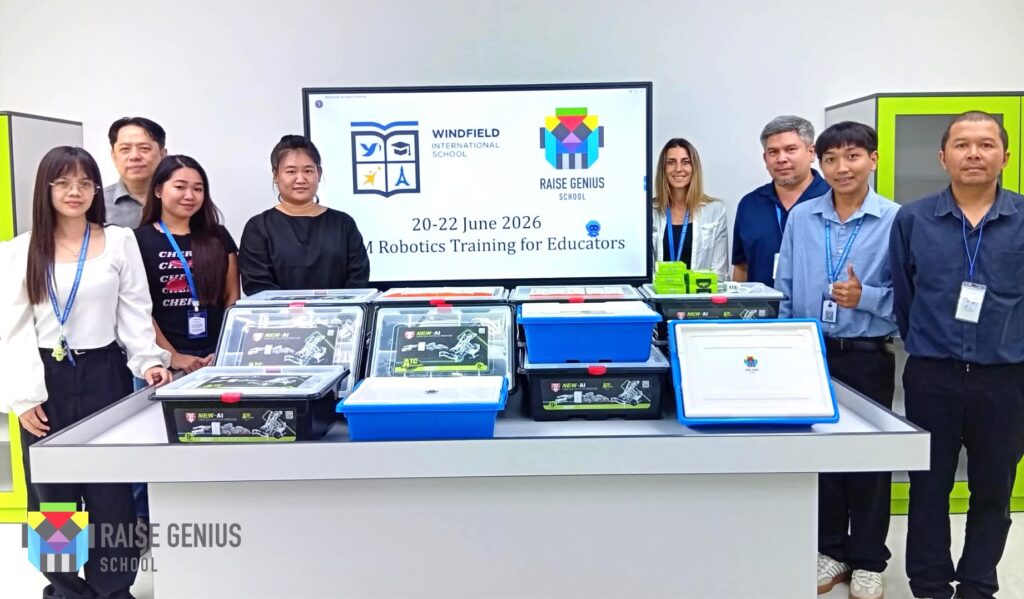
These images are retained from the original page as examples of published learning activities and programme information. Some contain Thai text or historical dates. They do not guarantee the same result for a new learner. Confirm current programmes with the team.
View original images

Frequently asked questions
What is the main difference between school and offsite camps?
Location changes travel time, access to specialist settings and the school’s practical responsibilities. Compare actual participation and learning time rather than choose by location alone.
What approval is needed for an offsite trip?
The source links Ministry of Education school-trip guidance. The school should confirm the current applicable rules and required arrangements with its responsible authority before setting the trip.
How large and long is the published school camp?
The source gives thirty to one thousand pupils across an appropriate arrangement, about six hours per day and usually two to three days. Confirm the actual grouping, dates and service capacity.
What room does the school need?
The original describes an indoor school meeting room or hall, with space for group work. Confirm equipment, audio/visual facilities, food and accompanying teachers in the agreed event plan.
Contact and related pages
Tell the team about the learner or organisation, relevant experience and the intended learning purpose. Confirm the current programme, equipment, availability, schedule and fees before booking.
Contact Raise Genius School service overview
- Study Paths for Young Inventors: Five Options
- Individual or Group Coding Lessons for Children
- Academic or Vocational Robotics after Lower Secondary
- Choosing a Robotics Engineering Degree: Interests, Labs & Projects
- Preparing a School Robotics Camp Venue
- Robotics Camps for Small Schools: Start with the Group
- Primary and Secondary Robotics Camps: Match the Challenge
- Planning Robotics Stations for School Events
- An Authentic TCAS Portfolio: Show Your Own Work
Course-selection guide · Robotics portfolio projects · Competition preparation · Team advice and coaching · Course guide · General FAQ
Related services: School robotics camps · STEM activity stations
Related learning: Raise Maker Arduino · micro:bit robotics · IOTBot & AI · Portfolio preparation · Camp proposal · Accompanying teachers
Related reference: Ministry of Education: school trip regulation