
The Archive’s Path from Parts to Independent Challenges
RAISE GENIUS · PARENTS & SCHOOLS
The Archive’s Path from Parts to Independent Challenges
Six robotics learning levels organise this archive’s explanation of Raise Genius classes. The source values enjoyment, appropriate challenges and support for different learners.
Contact the teamOn this page
Six robotics learning levels: begin with materials and ideas
Raise Foundation introduces robotics parts and attention to a task. Raise Imagine invites a learner to use imagination in making a model and exploring spatial arrangements.
The source’s broad claim that an initial level suits every age should not override the actual product’s age guidance or individual support needs. These are historical programme descriptions, not automatic placement rules.
Explore mechanisms and instructions
Raise Thinking concerns structures and mechanisms, with questions about how something around the learner works. Raise Programming introduces logic, commands and conditions for a robot’s behaviour.
The article describes moving from concrete parts towards representations in instructions. Progress should be discussed using what a learner understands, rather than inferred from a birthday or a single completed model.
Combine a solution and participate with others
Raise Solving brings mechanical design, problem solving and programming together in a model responding to a task. Raise Competition describes coaching and advice within team participation, including discipline, self-respect and cooperation.
The source says progression is centred on readiness and continued enjoyment. Confirm the current pathway, platform, class format and support with the team. These six stages do not guarantee a particular competition or developmental outcome.
Original photographs and artwork
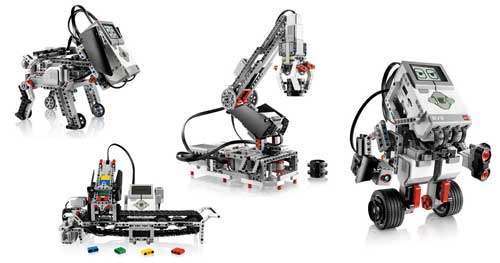
These images are retained from the original page as examples of published learning activities and programme information. Some contain Thai text or historical dates. They do not guarantee the same result for a new learner. Confirm current programmes with the team.
View original images


Frequently asked questions
What are the six archive levels?
Foundation, Imagine, Thinking, Programming, Solving and Competition.
Does age alone determine a level?
No. The source emphasises readiness, and current placement should be discussed with teachers.
Are these guaranteed current course names?
They are the historical article’s names. Ask the team for the pathway offered today.
Contact and related pages
Tell the team about the learner or organisation, relevant experience and the intended learning purpose. Confirm the current programme, equipment, availability, schedule and fees before booking.
Contact Raise Genius School service overview
- How the Archive Describes Raise Genius School’s Approach
- Six Steps for Comparing a Child’s Holiday Camp Options
- Holiday or Weekend Robotics? Read the Archive’s Format Comparison
- Kind, Clear and Supportive Communication with Learners
- What Does Raise Genius Want Learners to Gain from a Team?
- Seven Areas to Explore When You Want to Build a Robot
- Why the Founder Wanted Children to Build Robots
- Raise Genius Values: Make, Share and Take Part
- Fifteen Years of Making, Learning and Student Stories
Course-selection guide · Robotics portfolio projects · Competition preparation · Team advice and coaching · Course guide · General FAQ
Related services: School robotics camps · STEM activity stations
Related learning: Raise Maker Arduino · micro:bit robotics · IOTBot & AI · Portfolio preparation · Camp proposal · Accompanying teachers
Related reference: LEGO Education: hands-on learning

