Service Robots: A COVID-19 Technology Archive
RAISE GENIUS · PARENTS & SCHOOLS
Service Robots: A COVID-19 Technology Archive
Service robots attracted attention during COVID-19 as organisations explored remote communication, delivery and other tasks. This is a translation of the 2020 discussion, not a current market forecast.
Contact the teamOn this page
Service robots and the forecast in the archive
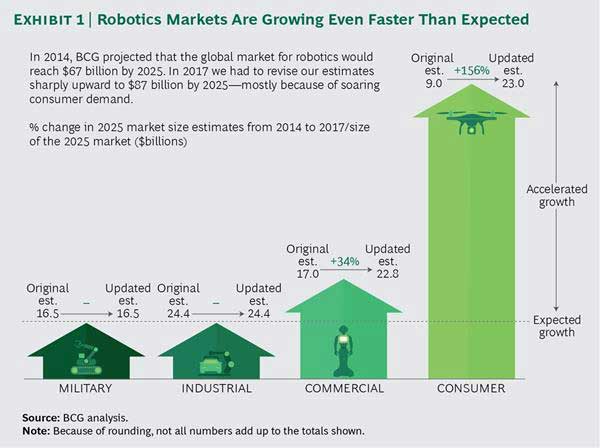
The source begins with a Boston Consulting Group market chart and links to a June 2017 announcement. That announcement revised a projection for robot spending in 2025 from US$67 billion to US$87 billion. The numbers are forecasts for 2025; they should not be read as robot spending already measured in 2017 or as verified present-day totals.
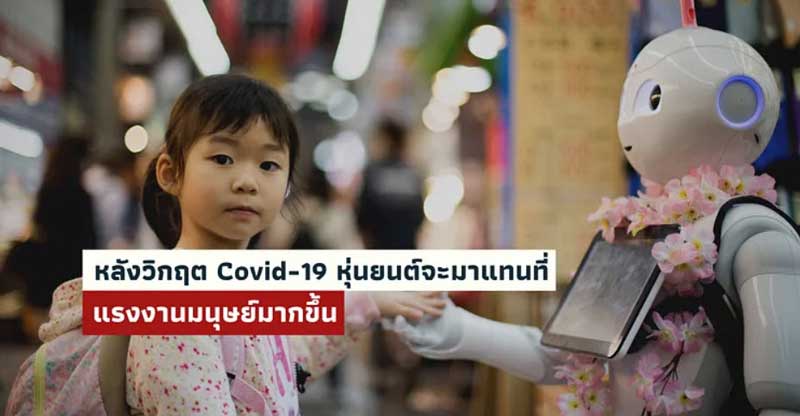
The original article argues that useful, more capable robots could find a wider market. It then observes that COVID-19 changed both organisations’ working practices and customers’ willingness to use digital services. The author explicitly notes that a comprehensive new numerical survey was not available in that discussion.
Hospital and public-service examples
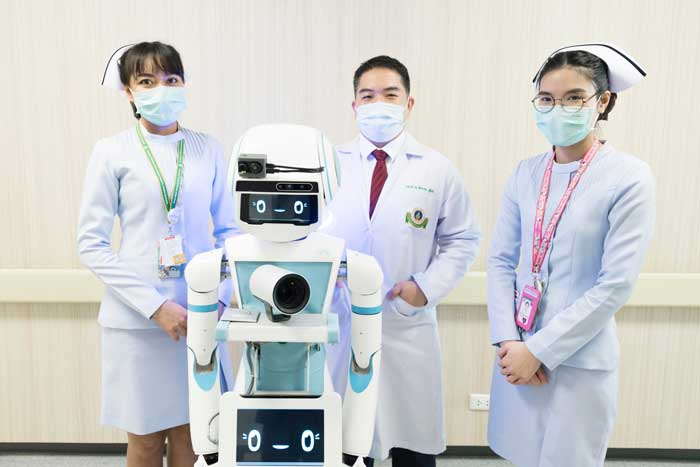
The archive describes Mod Borirak, developed through KMUTT’s Institute of Field Robotics and supplied to Ramathibodi Hospital. The reported functions include remote communication and support for delivering medicine or food. These are examples of assisting staff, not evidence that a robot can replace clinical judgement or eliminate infection risk.
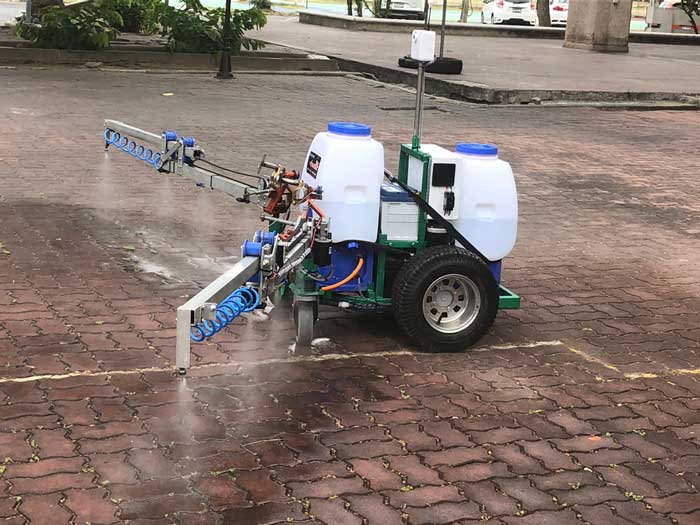
Another Thai example is a remotely controlled spraying robot described in a linked industry report. Treat this as a historical engineering example. It is not a recommendation to spray disinfectant around people or an instruction to build and operate such a device as a children’s activity.
Service robots in restaurants and changing routines
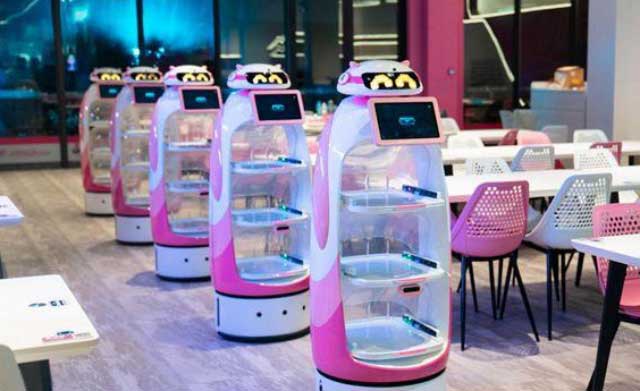
The original article also cites a Chinese robotic food court, reporting automated preparation and serving. Its figures about area, number of robots, menus and speed belong to the contemporary news report. This translation retains the example without presenting those promotional numbers as independently verified performance or a current service guarantee.
The broader question for learners is which task has been automated and which people still supervise the system. Ordering, food preparation, transport and cleaning are different tasks, with different requirements. A photograph of a robot does not establish its autonomy, reliability or suitability for every setting.
An educational perspective on future work
The source encourages parents to notice the breadth of robotics and its connections with programming, AI, connected devices, digital media and fabrication. Those connections can provide interests to explore, but a list of technologies is not a prediction that each will be used in every robot.
Learning to describe a task, build a simple model, test code and explain a limitation provides a practical starting point. Job availability, pay and future demand remain uncertain. Use the archive to discuss changing work rather than to promise employment or pressure a child to choose a career before exploring their interests.
Original photographs and artwork
These images are retained from the original page as examples of published learning activities and programme information. Some contain Thai text or historical dates. They do not guarantee the same result for a new learner. Confirm current programmes with the team.
View original images
Frequently asked questions
Are the market numbers current measurements?
No. The cited 2017 announcement discussed projections for 2025. They are historical forecasts.
Does a service robot make medical decisions?
The examples describe assistance and remote interaction. This article does not establish a robot’s clinical competence or authorise medical use.
Is the spraying example a student activity?
No. It is a historical report, not construction or disinfection guidance.
Does studying robotics guarantee a job?
No. The article encourages exploration; it cannot guarantee future demand, salaries or employment.
Contact and related pages
Tell the team about the learner or organisation, relevant experience and the intended learning purpose. Confirm the current programme, equipment, availability, schedule and fees before booking.
Contact Raise Genius School service overview
- October Robotics Camp: 4 Useful Planning Checks
- Holiday STEM Camp: A Practical School Planning Guide
- Online LEGO Coding: Live Robotics Learning from Home
- Robot Invention: Creative Learning through Student Projects
- STEM Robotics Lessons: A Flexible School Curriculum
- School Camp Visit: Memories from Sap Noi Nuea
- Toy Safe: A Playful Locking-Mechanism Project
- Learning Habits: Small Goals and Supportive Practice
- Family Media Habits: Games, Balance and Conversation
Course-selection guide · Robotics portfolio projects · Competition preparation · Team advice and coaching · Course guide · General FAQ
Related services: School robotics camps · STEM activity stations
Related learning: Raise Maker Arduino · micro:bit robotics · IOTBot & AI · Portfolio preparation · Camp proposal · Accompanying teachers
Related reference: 2017 BCG announcement · Original hospital report