Robotics Portfolio: Building Skills for AI and Engineering
Robotics Portfolio: Building Skills for AI and Engineering
What can a robotics and AI portfolio show?
A robotics portfolio can help a student explain interests, practical skills and the way they learn. This article shares Raise Genius School’s teaching perspective on preparing project evidence for robotics, AI and related engineering study. It is not an admissions policy or a promise of an offer.
Engineering and computing projects often require persistence, research, experimentation and clear communication. A portfolio provides space to show these qualities through work that the student understands. A useful project story explains the problem, choices, tests and improvements, as well as the final result.
1. Choose a project you can explain
Start with a problem that interests you and decide who might benefit from a solution. Break it into a manageable challenge. A small robot, an automation system, a coding project or an AI experiment can provide meaningful evidence when the learner can explain what they actually did.
Allow time to explore foundations before connecting different technologies. Understanding a sensor, a control program and a mechanical structure separately can make it easier to combine them. Choose a scope that matches your experience, equipment and time rather than aiming for a large project immediately.
2. Build, test and improve
Practical learning involves trying ideas, observing results and revising them. Keep early prototypes and note what changed. A project that initially fails can still show useful learning if you explain the cause, the tests you carried out and the improvements you made.
The teaching approach behind this robotics portfolio guidance values sustained practice. Students need opportunities to research, experiment and make decisions, with support appropriate to their starting point. Progress is individual; extra lessons cannot guarantee that a short period will replace years of experience.
3. Record your own contribution
Collect evidence while working: sketches, circuit or mechanism diagrams, code versions, photographs, test results and a short demonstration. Explain your role clearly, especially when using a shared project, a kit, a tutorial or a team. Credit tools, sources and collaborators honestly.
For a robotics portfolio, select a few connected pieces of evidence that show the development process. Describe the goal, method, outcome and what you learned. An attractive final image is more useful when a reader can understand the reasoning behind it.
4. Practise communicating your learning
Prepare to explain what the project does, who it helps, how its main parts work and what you would improve next. Practise both a short demonstration and a written explanation. Use language you understand and avoid claims about skills or results you cannot demonstrate.
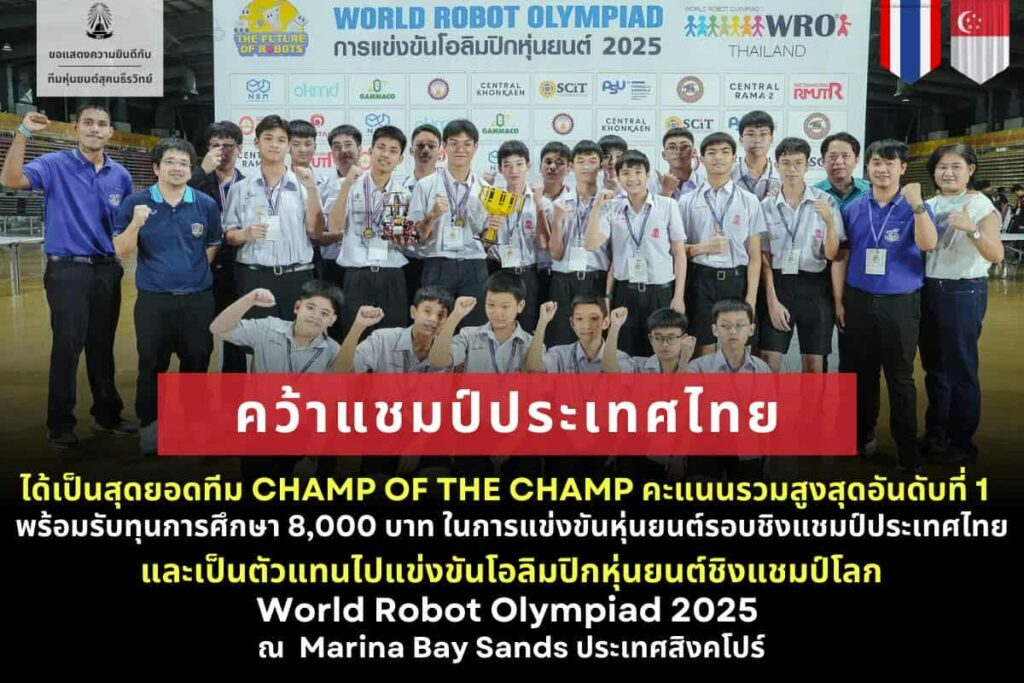
Competition experience is one possible source of learning and evidence. Independent and classroom projects can also support discussion of your skills. Whether a specific award or activity is required depends on the programme’s published criteria; this article does not rank one kind of evidence above all others.
5. Plan around the actual application requirements
Starting early gives learners more room to explore interests, develop a main project and reflect on progress. There is no single timeline that fits everyone. If starting in Grade 12, discuss the remaining time, academic workload and a realistic project scope with a teacher. Keep time for the other parts of the application.
Check each university and programme’s current eligibility rules, required documents, portfolio format, assessment process and deadlines. A course or teacher can help organise learning and project evidence, while the university makes its own admissions decisions. Keep your plan flexible when requirements change.
Official reference: the MyTCAS TCASFolio guide explains the portfolio system and asks applicants to follow their chosen programme’s conditions. Use it alongside the university’s own current announcement.
Develop confidence through gradual progress
The original article encourages learners to give themselves time to understand a subject, practise and connect ideas. Enjoyment may grow as skills improve and a learner sees what they can build. Recognising effort and small improvements helps keep the focus on learning rather than the appearance of a finished portfolio.
A robotics portfolio should reflect the student’s own interests and experience. Teachers and parents can help plan a routine, ask questions and listen to explanations. The student should remain responsible for the work and be able to describe it independently.
Explore IOTBot & AI, Raise Maker Course or Unity3D Game Maker as possible learning pathways. Ask the teaching team which option suits your starting point and project goals. Course participation does not guarantee a particular project, award or admission.
official admissions announcements for each university and programme.Frequently asked questions
How should I prepare a robotics portfolio for engineering or AI study?
Develop projects you understand and keep evidence of your thinking, testing and contribution. Start early when possible, and check the current criteria for each programme. Raise Genius School offers project-based learning pathways; participation does not guarantee admission.
What belongs in a university application portfolio?
Follow the programme’s required format and documents. Relevant evidence may include your interests, practical projects, activities, awards where applicable and a clear explanation of your role and learning. Select evidence honestly rather than assuming that a longer history automatically gives an advantage.
Which courses can help me develop project evidence?
IOTBot & AI, Raise Maker Course and Unity3D Game Maker are possible project-based pathways, depending on readiness and interests. Competition preparation may also be relevant. Discuss goals, available time and equipment with the teaching team before choosing a course.
When should I start preparing a robotics portfolio?
Begin early enough to explore interests, develop a manageable project and record progress. The original article recommends planning during secondary school. If starting later, agree a realistic scope around the actual application deadline and other schoolwork; an accelerated plan cannot guarantee an admission outcome.