
Try Twisting, Folding and Fitting Pieces Together
RAISE GENIUS · PARENTS & SCHOOLS
Try Twisting, Folding and Fitting Pieces Together
Alternative construction puzzles can offer a change from a familiar building set. The archive introduces a twisting cube, origami and a three-dimensional packing puzzle.
Contact the teamOn this page
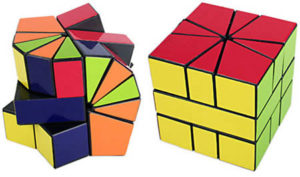
Alternative construction puzzles: twisting a cube
A Rubik’s-style puzzle asks the player to consider how one turn affects pieces elsewhere. The source mentions different shapes and levels of difficulty, with handling, turning and examining an arrangement as part of the activity.
This is a description of what a learner can practise within the task. It does not establish that a toy raises IQ or is equally suitable for every age.
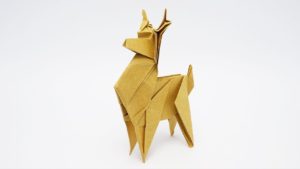
Fold a sheet into a different form
Origami uses a sequence of folds to make a form from paper. The archive values its simple materials, variety of possible models and the availability of step-by-step examples to follow.
A ruler is optional in many examples. Choose a manageable pattern and discuss which fold changes the shape. An adult can help a child interpret a diagram without turning the finished model into a test of intelligence.
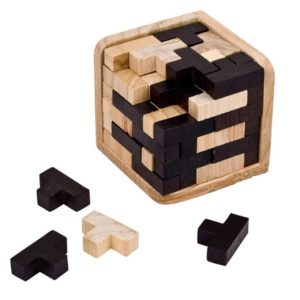
Fit three-dimensional pieces into a space
The third example is a wooden packing puzzle that the source compares with Tetris. Pieces with different projections must be rotated and placed so that the whole arrangement fits.
Trying a piece in one position may affect whether the others can be added. Revising the arrangement is part of exploring the puzzle, not proof of poor planning.
The archive presents these as reusable alternatives, then mentions programmable LEGO for learners interested in movement. Prices and the claim of being the number-one option are not current purchasing advice. Follow product age and small-part warnings.
Original photographs and artwork
These images are retained from the original page as examples of published learning activities and programme information. Some contain Thai text or historical dates. They do not guarantee the same result for a new learner. Confirm current programmes with the team.
View original images
Frequently asked questions
What three alternatives are described?
A twisting cube, origami and a three-dimensional packing puzzle.
Does solving them guarantee higher IQ?
No. The article discusses opportunities within the activity, not a measured IQ outcome.
Are all puzzle pieces safe for younger children?
No. Check product age guidance and keep unsuitable small parts away from younger children.
Contact and related pages
Tell the team about the learner or organisation, relevant experience and the intended learning purpose. Confirm the current programme, equipment, availability, schedule and fees before booking.
Contact Raise Genius School service overview
- Why Practise Skills through Building a Robot?
- Making, Playing and Explaining at Raise Genius
- Use a Tablet with a Purpose, Conversation and Support
- Science, Art and Technology Can Meet in a Creative Project
- Five Activities That Invite Children to Use Their Hands
- The Archive’s 7C Guide to Exploring Learning Skills
- Puzzles, Readiness and the Chance to Try Again
- When a Child Asks for Just a Little Longer
- Explore, Visit or Make Something Together as a Family
Course-selection guide · Robotics portfolio projects · Competition preparation · Team advice and coaching · Course guide · General FAQ
Related services: School robotics camps · STEM activity stations
Related learning: Raise Maker Arduino · micro:bit robotics · IOTBot & AI · Portfolio preparation · Camp proposal · Accompanying teachers
Related reference: CPSC: toy safety
