Learning Robotics When Maths Is Difficult
RAISE GENIUS · PARENTS & SCHOOLS
Learning Robotics When Maths Is Difficult
Learning robotics when maths is difficult is possible, but it helps to identify what the difficulty actually is. The article separates boredom with abstract exercises, gaps in earlier topics and persistent difficulty needing additional support. A practical robot can provide a reason to use numbers while school mathematics remains important.
Contact the teamOn this page
Four checks for robotics when maths is difficult
1. Can the learner explain a sequence? Robots follow instructions in order. Describing what must happen first and next is a skill that can be practised without first achieving a high mathematics grade.
2. Will the learner try again? A robot rarely works perfectly at the first attempt. Testing and adjusting give the learner a way to investigate a mistake instead of avoiding the task.
3. Can a calculation connect to a visible purpose? Distance from wheel rotations, turning angles and timing make mathematics part of an actual mechanism. University engineering still requires more demanding mathematics and may impose subject or score thresholds.
4. Can the learner show work and explain it? A robot with a clear account of the problem, the tests and the improvements can communicate learning more effectively than a certificate alone. Institution-specific portfolio rules still apply.
Identify the kind of mathematics support needed
If the child finds classroom mathematics disconnected from daily life, measuring a movement or comparing a turn may provide a useful context. Ask what the child predicts and compare that with the result.
If fractions, equations or another earlier topic were missed, identify the specific gap and plan practice alongside robotics. A successful build does not automatically repair every missing school topic.
If difficulty persists despite support, discuss an appropriate learning plan with the child’s school teacher. Do not treat a robotics class as a diagnosis or a guaranteed remedy for mathematics difficulties.
An age-stage path for robotics when maths is difficult
Ages seven to nine: avoid fixing a negative label on the learner. Counting, measuring and simple construction can provide exploratory activities. The source also mentions robotics from age eight in one section; confirm the chosen course’s actual threshold.
Ages ten to twelve: practical motors, sensors and block commands can help connect an abstract idea to an observable change. The original names LEGO robotics as one example of this approach.
Lower secondary: moving from blocks towards text commands can be accompanied by records of small projects. The article describes IOTBot graphical programming and later Python-related work, but the current pathway should be checked with the team.
Upper secondary: review the intended university course, identify missing mathematics foundations and select a project the learner can explain. A clear plan is more useful than assuming a portfolio replaces academic eligibility.
Published school examples and separate admission checks
The source gives an IOTBot example from age nine with no previous experience required, fourteen two-hour live Saturday sessions and Discord communication. Other school articles describe different prerequisites; confirm the exact course instead of merging the examples into one universal offer.
Minecraft Education with Python is also mentioned as a small-group learning option. Ask about age-appropriate communication access and the actual device, software and equipment required.
The original refers readers to Chulalongkorn University’s robotics/AI programme for admission information. This English page does not reproduce an unverified current score threshold. Read the institution’s current official announcement for the exact year, route and programme.
The useful family question is whether the learner wants to understand a calculation that helps their robot do something. Keep mathematics learning and hands-on work connected, without promising that a course will automatically raise exam marks.
Original photographs and artwork
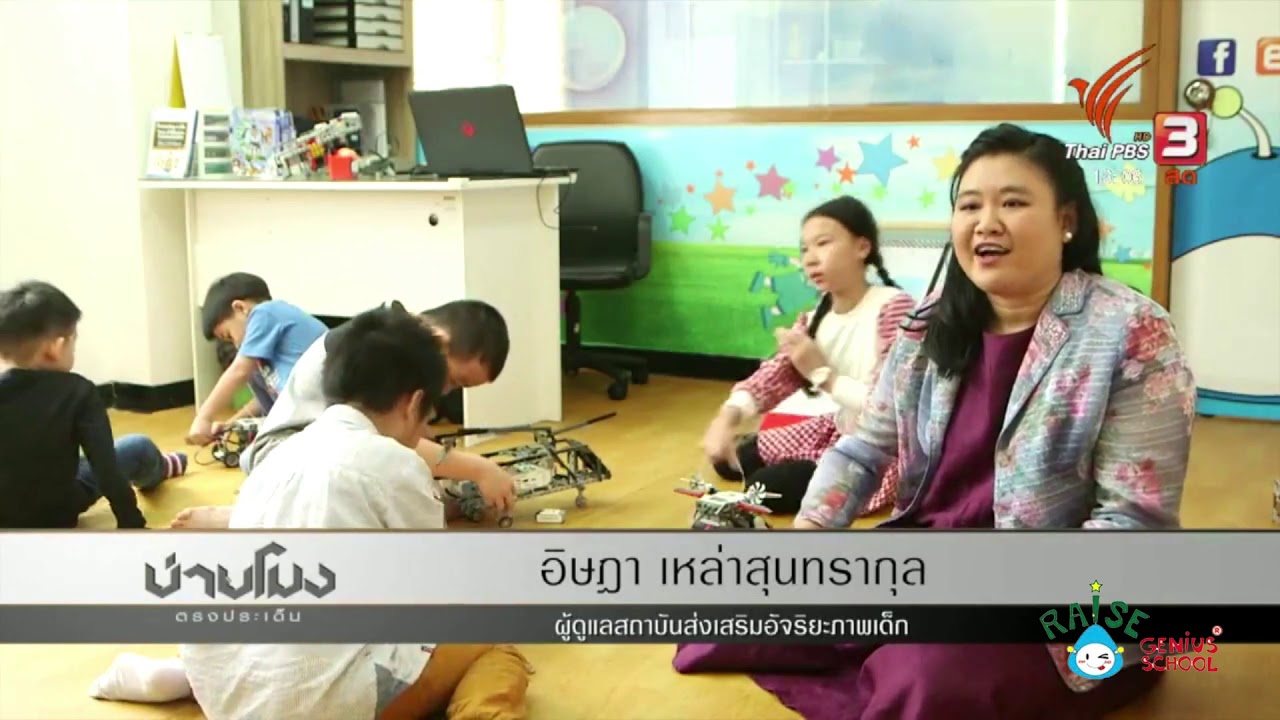
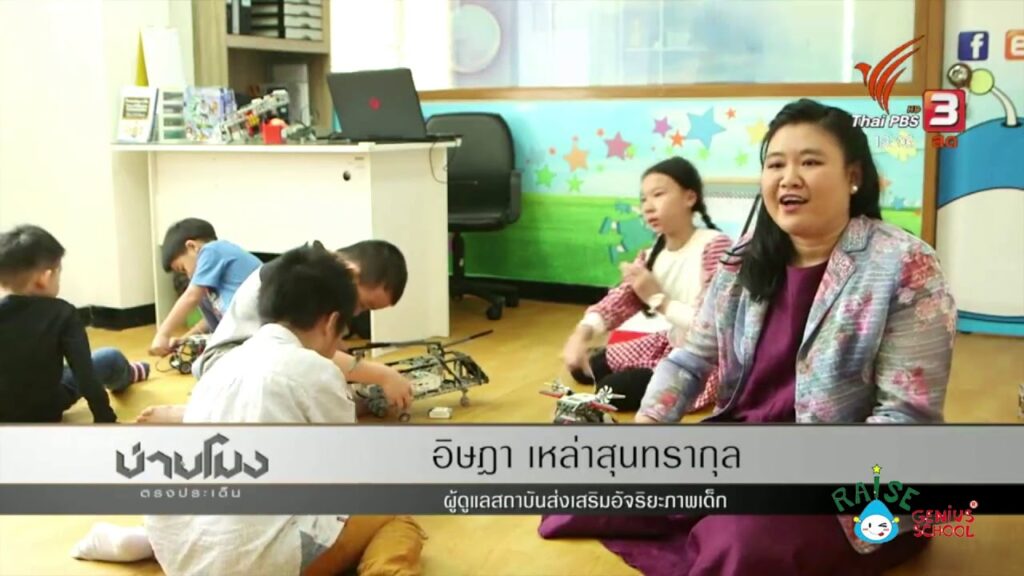
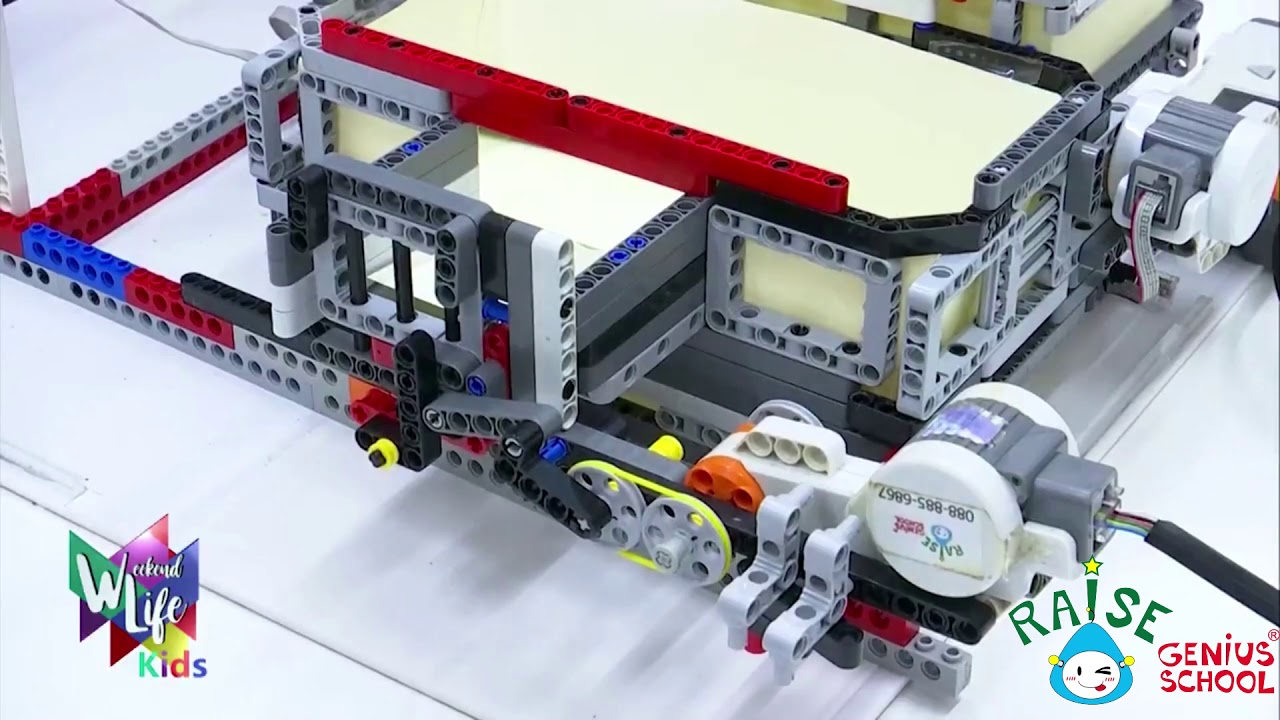
These images are retained from the original page as examples of published learning activities and programme information. Some contain Thai text or historical dates. They do not guarantee the same result for a new learner. Confirm current programmes with the team.
View original images
Frequently asked questions
Can a child who struggles with maths learn robotics?
Yes, a low grade alone should not decide interest or readiness. Robotics uses mathematics that can be practised, while university courses have their own academic requirements.
Can primary pupils begin without previous robotics experience?
The source’s IOTBot example gives entry from age nine without prior experience. Another section mentions age eight for robotics more generally. Confirm the exact current programme and readiness.
Will robotics automatically improve maths exam results?
No. It can make distance, angles and time more meaningful, but school mathematics and targeted practice should continue alongside it.
Must a portfolio applicant be the best at maths?
The learner must meet the institution’s current subject and score requirements. A project can document learning and reasoning; it does not waive those rules.
Contact and related pages
Tell the team about the learner or organisation, relevant experience and the intended learning purpose. Confirm the current programme, equipment, availability, schedule and fees before booking.
Contact Raise Genius School service overview
- Entrepreneurial Maker Course: Automation & Presentation
- Online EV3 Programming Lessons: Original Video Archive
- LEGO Robotics for Kids: Build, Program & Present
- Scratch or Python for Kids: Choosing a Starting Point
- From Playing Games to Coding with Minecraft & Roblox
- Starting Coding and AI: An Age & Readiness Guide
- Preparing a Robotics Engineering Portfolio
- Writing a School Robotics Camp Proposal
- Teacher Support for School STEM Activity Stations
Course-selection guide · Robotics portfolio projects · Competition preparation · Team advice and coaching · Course guide · General FAQ
Related services: School robotics camps · STEM activity stations
Related reference: IPST computing-education resources (Thai)