Six Steps for Comparing a Child’s Holiday Camp Options
RAISE GENIUS · PARENTS & SCHOOLS
Six Steps for Comparing a Child’s Holiday Camp Options
Choosing a holiday camp begins with the child’s interests and a realistic family plan. The source’s six-step guide was written for the 2017 school holidays.
Contact the teamOn this page
Choosing a holiday camp: start with the learner
Step 1: list activities the child has expressed an interest in, including music, art, sport, language, practical skills or exploring somewhere new. A holiday may offer a longer period to try something that did not fit during term time.
Step 2: involve the child in choosing from the list. If none of the options feels suitable, revisit the list. Participation in the choice can inform a plan, but does not guarantee that a child will never change their mind or leave a course.
Hear experiences and examine their context
Step 3: ask families in a familiar school or community group about their experiences. Step 4: consider comments from outside that immediate circle as another perspective.
Recommendations are starting points, not proof that a programme will suit every learner. Ask what the reviewer actually experienced and compare it with the child’s age, interests and intended activity.
Ask the provider specific questions
Step 5: gather information from the activity centre or school. The source recommends a clear website, although having a website alone does not establish quality or safety.
Its checklist includes content and intended benefit; daily hours, days per week and course structure; accepted ages, preparation, group size and classmates; teachers, venue safety and assessment; communication with parents; course fees and extra costs; travel and parking; meals; teaching history; promotions; progression; timetable flexibility; and the context of any awards, standards or partners.
Check the whole family plan
Step 6: compare the options with transport, the child’s and parent’s available time, budget and practical arrangements. Choose a feasible activity rather than only the strongest advertisement.
The bonus tip discusses early-booking discounts, with dates that belong to the original 2017 example. Its promotion, experience-duration and support statements are historical; ask for current written terms, available dates and total costs before booking. No discount or place is promised by this archive guide.
Original photographs and artwork
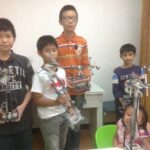
These images are retained from the original page as examples of published learning activities and programme information. Some contain Thai text or historical dates. They do not guarantee the same result for a new learner. Confirm current programmes with the team.
View original images


Frequently asked questions
What is the first step?
List the child’s interests and involve them in discussing possible activities.
Does a provider’s website prove it is suitable?
No. Use it to ask concrete questions and verify arrangements relevant to your child.
Are the 2017 discounts and dates current?
No. They illustrate the original guide; obtain current dates, costs and conditions directly.
Contact and related pages
Tell the team about the learner or organisation, relevant experience and the intended learning purpose. Confirm the current programme, equipment, availability, schedule and fees before booking.
Contact Raise Genius School service overview
- How the Archive Describes Raise Genius School’s Approach
- Holiday or Weekend Robotics? Read the Archive’s Format Comparison
- Kind, Clear and Supportive Communication with Learners
- What Does Raise Genius Want Learners to Gain from a Team?
- Seven Areas to Explore When You Want to Build a Robot
- Why the Founder Wanted Children to Build Robots
- Raise Genius Values: Make, Share and Take Part
- The Archive’s Path from Parts to Independent Challenges
- Fifteen Years of Making, Learning and Student Stories
Course-selection guide · Robotics portfolio projects · Competition preparation · Team advice and coaching · Course guide · General FAQ
Related services: School robotics camps · STEM activity stations
Related learning: Raise Maker Arduino · micro:bit robotics · IOTBot & AI · Portfolio preparation · Camp proposal · Accompanying teachers
Related reference: NAEYC: developmentally appropriate practice