
Learning with Fun, Challenge and Useful Skills
RAISE GENIUS · PARENTS & SCHOOLS
Learning with Fun, Challenge and Useful Skills
Fun and challenging learning is the theme of Teacher Num’s article about helping children prepare for a changing world. It brings together a flipped classroom and the 4F model, then explains how enjoyment, a meaningful challenge and repeated practice can work together.
Contact the teamOn this page
Fun and challenging learning begins with participation
The article compares future careers with the branches of a tree and the learning process with its trunk. Its earlier career forecasts belong to the period when it was written; the continuing educational question is how a child can build a useful way to learn.
A flipped classroom is described as an arrangement where pupils meet some material before class and use shared class time to discuss, investigate and apply it. The teacher can then respond to the work pupils are actually attempting.
In the article’s account, learners have more opportunities to think, speak, explain and research. These opportunities can help them explore an interest, but they do not guarantee a particular career choice or outcome.
The four parts of the 4F model
The source credits Dr Suvit Maesincee with the 4F model discussed here: Fun, Find, Focus and Fulfill. It uses the model as a sequence from inspiration towards completing a practical project.
Fun is an inviting start to the learning. Find means looking for information and possibilities. Focus involves sustained attention while pursuing an answer. Fulfill includes bringing work to completion and providing the knowledge, advice or materials the learner needs.
The article contrasts this with a sequence dominated by listening, lectures, exercises and examinations, which it calls 2L2E. This is the author’s comparison of teaching approaches, not a claim that explanation, practice questions or assessment have no place in learning.
A practical activity can combine ideas, technology, the needs of people and the surrounding situation. The 4F discussion encourages pupils to exchange ideas and adapt their work, rather than only repeat a supplied answer.
Enjoyment and a challenge have different roles
Children can be curious about things adults have grown used to. The article argues for using movement, interaction and hands-on activity to make learning inviting, instead of depending indefinitely on pressure from an adult.
Fun and challenging learning still needs a purpose. A pleasant activity gives a reason to participate; a challenge gives the learner something worth working out. The source describes pupils helping to shape a question, a goal or a project and then stretching beyond what initially feels easy.
The author distinguishes this experience from simply aiming at a fixed mark. A project may require an unfamiliar approach, a change of plan or another attempt, and it may not work on the first try.
This does not mean every task should be beyond a child’s reach. The article’s emphasis is a meaningful challenge that invites investigation and effort, with teaching support available while the learner works.
Skills develop through doing and improving
The final part connects skills with repeated action and continued improvement. The source discusses thinking, speaking, making, problem solving and leadership as areas pupils can practise together during a project.
Fun and challenging learning therefore involves more than finishing an attractive object. Ask the learner to explain an attempt, a difficulty and a change they made. These are useful ways to discuss the process described by the author.
The original article was written in a pandemic-era discussion of uncertainty. Its broad point is to practise adapting and learning; it should not be read as a precise current forecast about which jobs will exist.
Teacher Num invites parents, teachers and school leaders to explore these ideas through other sources as well. Discuss how an activity is planned, which skills are being practised and how the learner will receive feedback before choosing a programme.
Original photographs and artwork
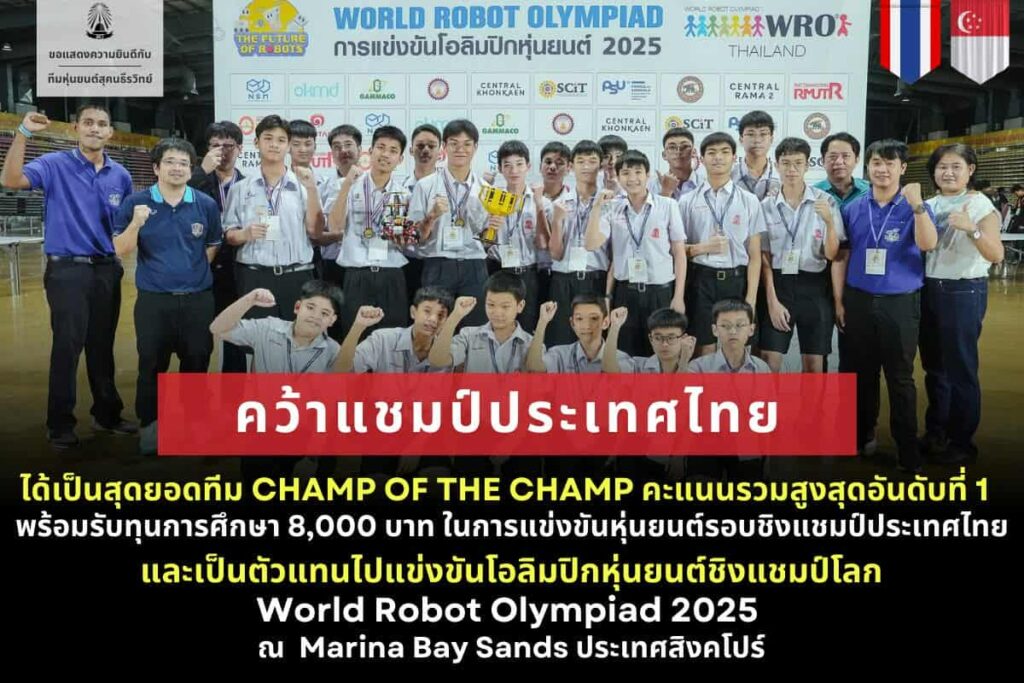
These images are retained from the original page as examples of published learning activities and programme information. Some contain Thai text or historical dates. They do not guarantee the same result for a new learner. Confirm current programmes with the team.
View original images


Frequently asked questions
What does fun and challenging learning mean here?
It means inviting a learner into an activity, giving the work a meaningful challenge, and developing skills through attempts and improvements. Enjoyment and effort can be part of the same process.
What are the four Fs in this article?
The source describes Fun, Find, Focus and Fulfill, and credits the model to Dr Suvit Maesincee. It connects inspiration, inquiry, sustained effort and completing work with support.
Does a flipped classroom remove the teacher’s role?
No. The article uses shared class time for discussion, application and guidance. Preparing before class is a way to make that time useful.
Must every project succeed immediately?
No. The article connects challenge with trying, investigating and adapting. A learner should be able to discuss the work and improvements, with appropriate support.
Contact and related pages
Tell the team about the learner or organisation, relevant experience and the intended learning purpose. Confirm the current programme, equipment, availability, schedule and fees before booking.
Contact Raise Genius School service overview
- Preparing a Portfolio for Robotics, Mechatronics or AI Admissions
- Preparing Teachers to Start a School Robotics Subject or Club
- Why Online Learning Can Be Difficult, and What to Discuss
- Why a University Portfolio Starts with Knowing Yourself
- Project Based Learning: Connecting a Goal with Real Work
- Flipped Classroom Learning: Prepare, Ask and Apply
- More than a Robot: Making, Thinking and Working Together
- Girls Learning Robotics: Two Stories of Participation
- Why Children Learn about Technology and STEM
Course-selection guide · Robotics portfolio projects · Competition preparation · Team advice and coaching · Course guide · General FAQ
Related services: School robotics camps · STEM activity stations
Related learning: Raise Maker Arduino · micro:bit robotics · IOTBot & AI · Portfolio preparation · Camp proposal · Accompanying teachers
Related reference: Flipped Learning Global Initiative: definition · Original school discussion (Facebook archive)

