Kind, Clear and Supportive Communication with Learners
Supportive robotics teaching is the focus of Teacher Bung’s archive article. It values a child becoming more independent while receiving help when a task…
Supportive robotics teaching is the focus of Teacher Bung’s archive article. It values a child becoming more independent while receiving help when a task…
Preparing to build robots involves more than joining parts. The source introduces seven areas that can connect an idea with a model and a clear explanation.
Inspiration for robotics education in this archive account began with seeing machines at work. The founder connects that experience with an interest in…
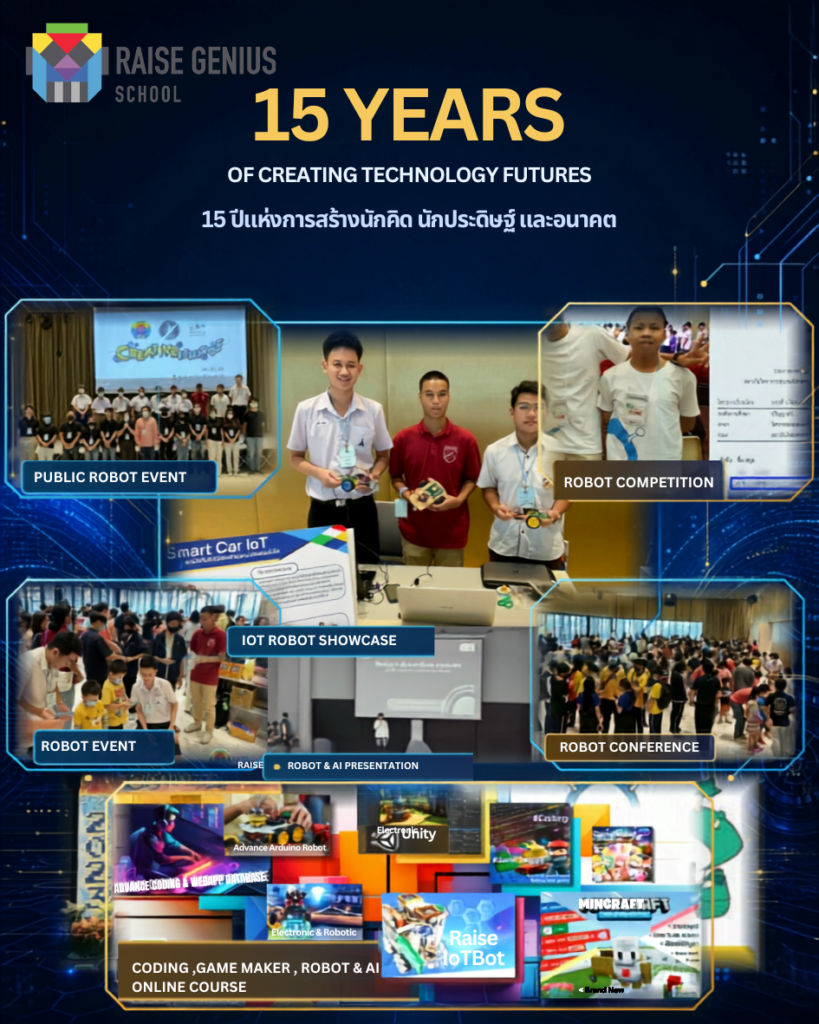
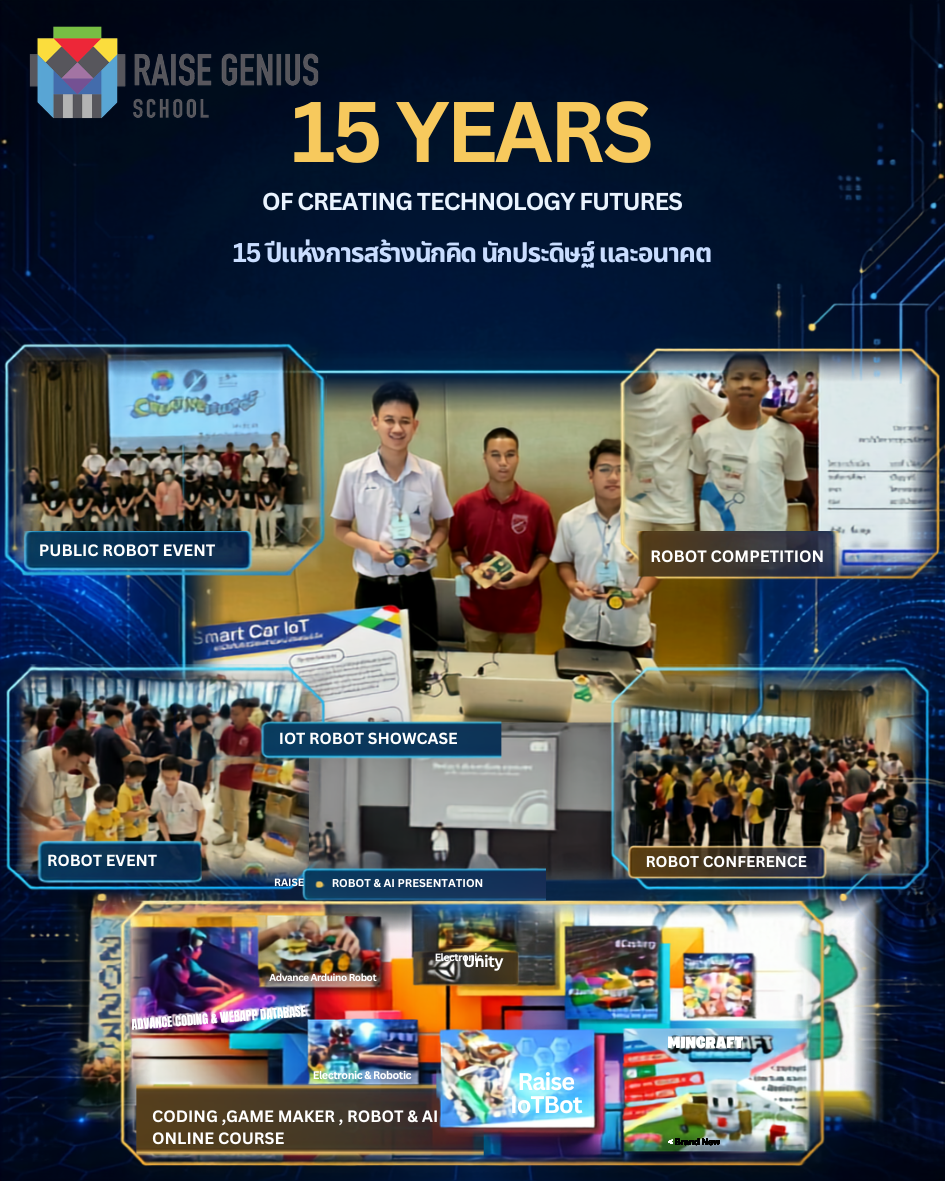
Robotics learning connects this anniversary account: building an idea, testing a model, explaining a project and reflecting on a longer learning journey at…
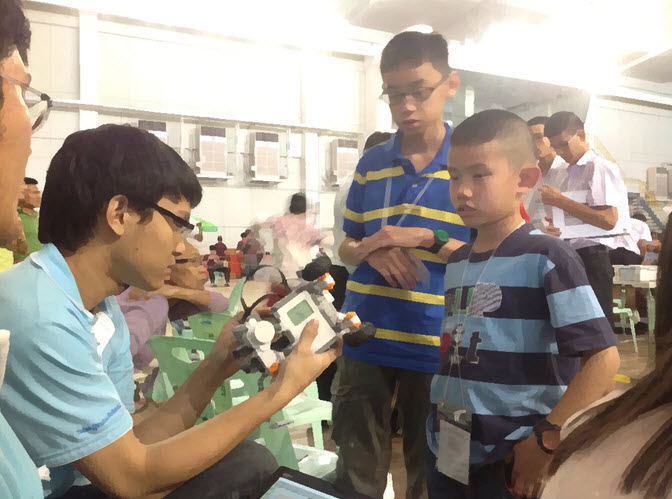
Robot competition learning goals in Teacher Bung’s article extend beyond a score. The source discusses learner readiness, teacher judgement and family support.
Learning values through making is the focus of this short archive page. It presents the school’s learner-centred approach through examples of participation…
Six robotics learning levels organise this archive’s explanation of Raise Genius classes. The source values enjoyment, appropriate challenges and support…
Holiday and weekend robotics formats are compared in this historical programme article. The times and session counts below belong to the original offering…
A locally designed robotics approach is the archive’s explanation of how Raise Genius presents its teaching. It describes six features rather than an…
Choosing a holiday camp begins with the child’s interests and a realistic family plan. The source’s six-step guide was written for the 2017 school holidays.
Shared family holiday activities in the archive include visiting somewhere unfamiliar, a recreational outing and making or playing together at home.
Connecting science and art is the archive’s theme, illustrated through a multimedia thesis exhibition by Sripatum University students at Siam Center.
Fine motor play ideas in the source include marbles, drawing, a twisting cube, LEGO and modelling clay. Choose materials that suit the child and the setting.
Seven learning skill areas give the source’s 7C article its structure. Use the examples to discuss an interest rather than to grade a child’s personality.
Puzzles and learning meet in tasks that invite a learner to complete a picture, fit pieces or work out a solution. The source discusses play and support.
Helping children finish activities can start with making the stopping point understandable. The source suggests a shared agreement and a calm reminder.
Enjoyable skill practice connects an interesting challenge with something a learner can make, test and explain. The archive asks why Raise Genius uses robotics.
Knowledge through enjoyable learning is the source’s answer to a family deciding between extra tuition and time to play during a holiday.
Alternative construction puzzles can offer a change from a familiar building set. The archive introduces a twisting cube, origami and a three-dimensional packin
Purposeful tablet use starts with the child, the content and the activity it supports. The archive’s concern is prolonged use that replaces interaction with oth
Choose whether to allow analytics and advertising cookies. You can change your choices at any time.