Six Steps for Comparing a Child’s Holiday Camp Options
Choosing a holiday camp begins with the child’s interests and a realistic family plan. The source’s six-step guide was written for the 2017 school holidays.
Choosing a holiday camp begins with the child’s interests and a realistic family plan. The source’s six-step guide was written for the 2017 school holidays.
Holiday and weekend robotics formats are compared in this historical programme article. The times and session counts below belong to the original offering…
Explore fun and challenging learning through flipped lessons and the 4F model: Fun, Find, Focus and Fulfill. Connect curiosity with practice and improvement.
Explore project based learning for children through three source examples: a small garden, a school sale and portfolio preparation. Connect research, resources and review.
Understand flipped classroom learning: meet material before class, bring questions and use shared time for practice with a teacher. Discuss access and learner support.
Connect robotics and soft skills through observation, testing, teamwork and explanation. Read the school’s archive story of an egg-roll robot and shared learning labs.
Explore girls learning robotics through a historical Wonder League team and a Raise Genius learner’s journey. Focus on participation, projects and genuine interests.
Prepare a robotics admissions portfolio with genuine projects, activity evidence and a clear explanation of your role. Check each university’s current criteria.
Plan robotics teacher preparation for a school subject or club: training format, laptops, loan kits and classroom support. Ask for the current schedule and quotation.
Review online learning barriers: one-way teaching, unsuitable devices, the learning space and slow help. Discuss interactive missions and support with the teacher.
Use university portfolio planning to connect your interests, evidence and destination programme. Organise your work and follow the institution’s required format.
Explore benefits of robotics learning: logical thinking, problem solving, collaboration and explaining a project, with realistic expectations for future study.
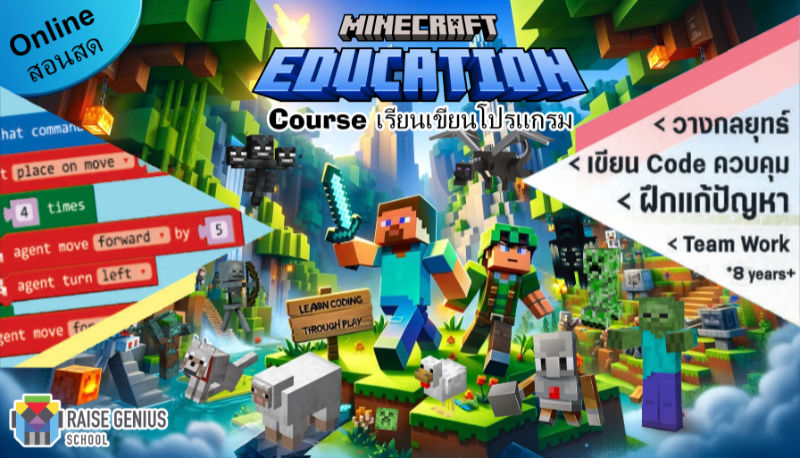
Explore Minecraft coding for beginners through Agent missions, blocks, debugging and presentations, with readiness questions and a realistic pathway beyond the first course.
Plan when to start a robotics portfolio: foundations, lower-secondary projects, deeper upper-secondary work and honest records of the learner’s own contribution.
Build AI learning foundations for children through block coding, debugging and practical projects before more demanding IoT or AI tasks. Confirm readiness and course details.
Plan school robotics club equipment with suitable hardware, compatible software and mission areas, plus usable lessons, teacher training and maintenance.
Plan AI and IoT portfolio projects around a clear question, a manageable first version, tests and an explanation of the learner’s own contribution.
Use seven checks for choosing a coding course: progression, attention, teachers, practical work, updates, evidence and introductory arrangements. Confirm published fees.
Plan school robotics and STEM camps around goals, pupil years, practical time, venue, staffing and an agreed quotation, with five format options from the source guide.
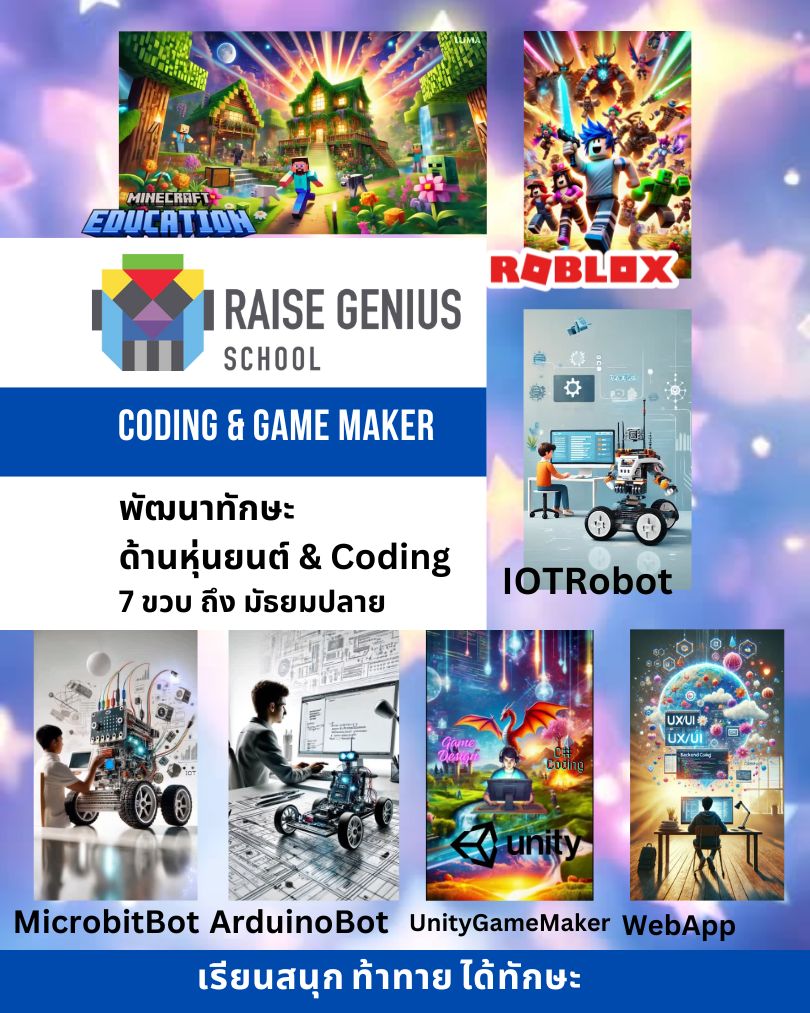
Compare Roblox game making for children with Minecraft Education coding through readiness, creative tasks and published lesson arrangements, then confirm the current course.
Choose whether to allow analytics and advertising cookies. You can change your choices at any time.