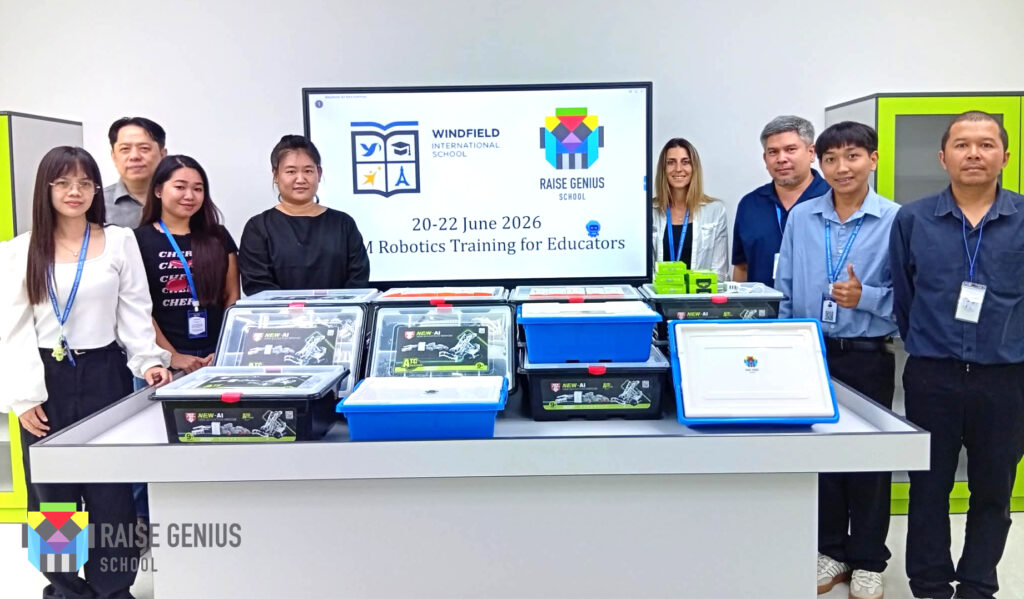
Choosing Robotics Teacher Training for Your School
Use five checks for choosing robotics teacher training: teaching experience, reusable lesson plans, support, year-level fit and transparent scope and costs.
Use five checks for choosing robotics teacher training: teaching experience, reusable lesson plans, support, year-level fit and transparent scope and costs.
Plan school STEM robotics camps around learning goals, one-day or three-day formats, pupil groups, venue and a scoped budget. Confirm current staffing and equipment.
Follow four steps for starting a school robotics classroom: timetable, suitable equipment, teacher preparation and space based on simultaneous pupil groups.
Check computer specs for coding lessons: school RAM and CPU guidance, webcam, microphone, internet and tablet limits. Test your existing device before buying.
Plan parent support for online learning: five course checks, age-related support, technical help and signs a child can attend coding lessons more independently.
Use four checks for choosing online coding for kids: live feedback, group size, progression and family reports. Compare age-stage pathways and equipment readiness.
Compare four online robotics learning options and local alternatives: live teaching, free resources, school clubs and short camps, with readiness and schedule checks.
Compare robotics for small schools: a permanent lab, teacher training, term-based teaching and occasional camps. Plan around budget, staffing and sustained learning.
Explore coding in the AI era: five course checks, four learning stages and ways to help children explain, test and improve code instead of accepting AI output.
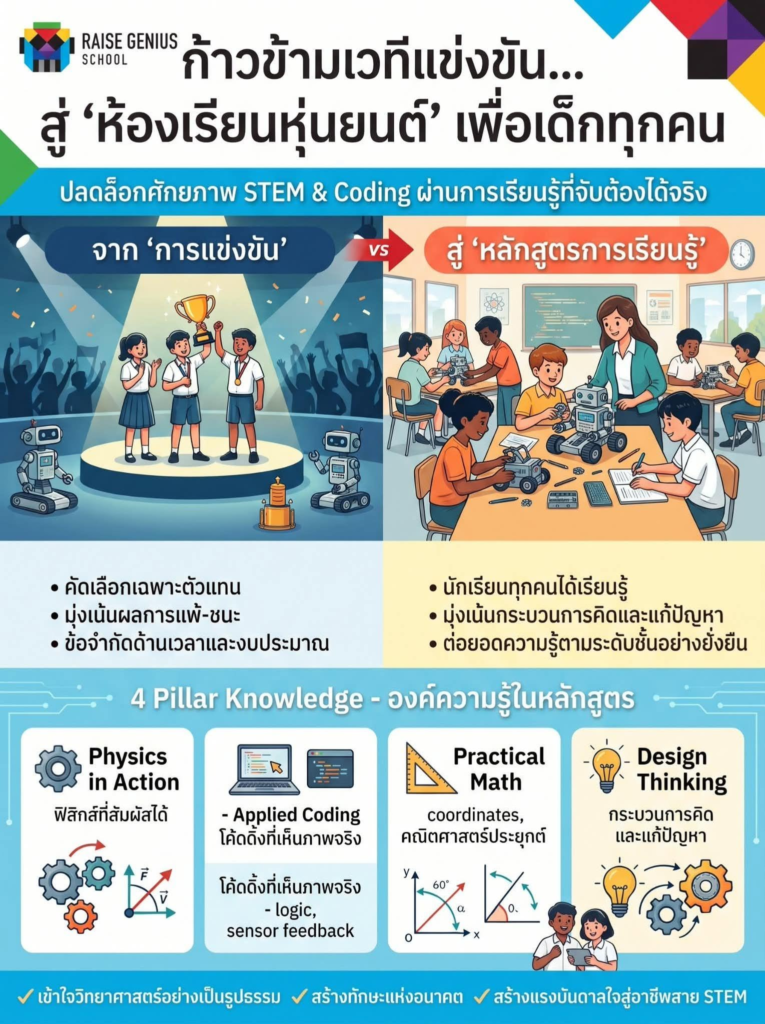
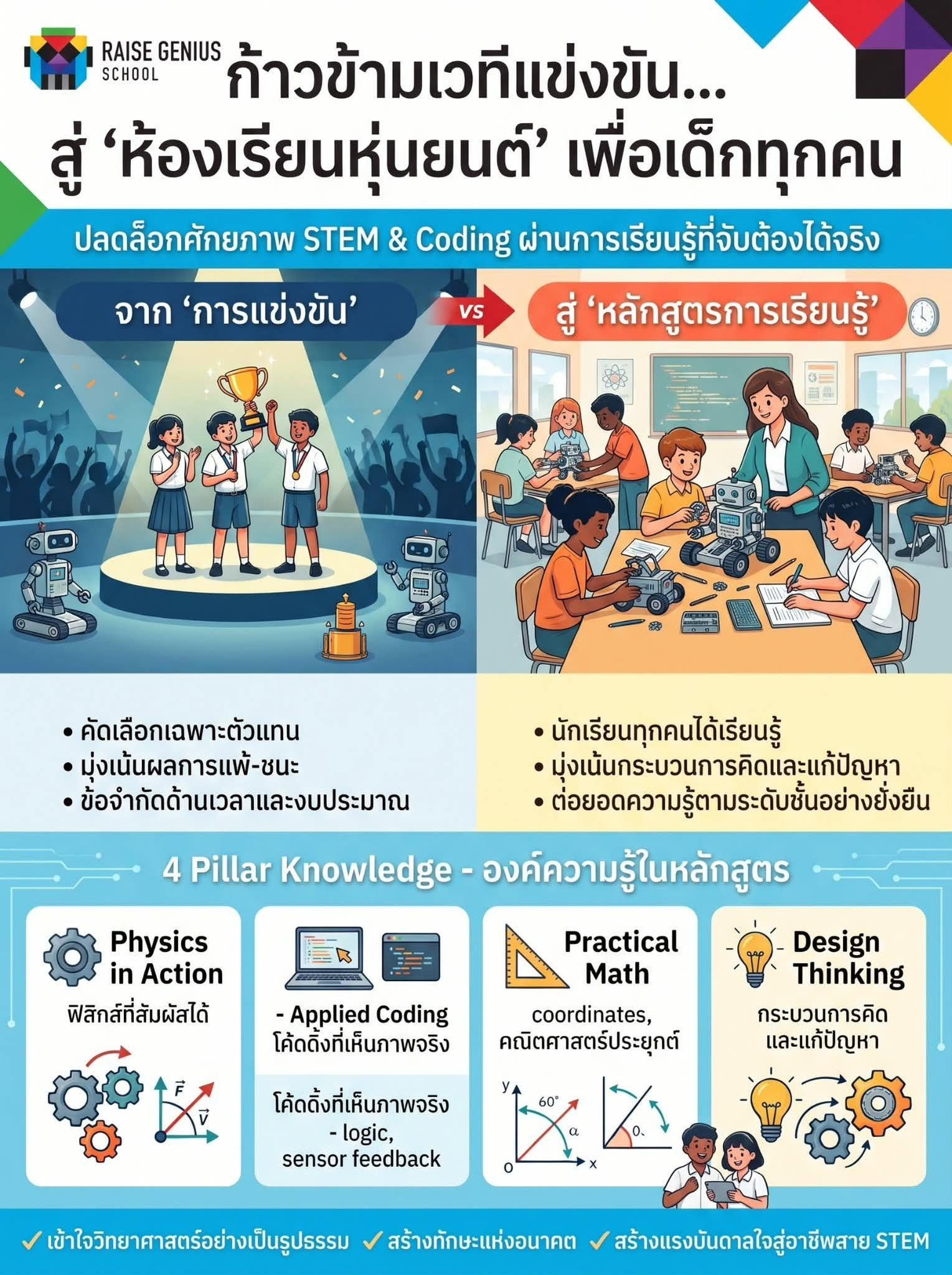
Explore a school robotics curriculum beyond competition teams: physics, mathematics, coding and design thinking, with age progression and a sample Year 5 lesson.
Build a robotics portfolio through practical projects, testing and clear explanations. Explore five steps for AI and engineering study and check official requirements.
A robotics classroom is no longer a luxury for forward-thinking schools — it is fast becoming a core requirement, especially for international schools in Thailand and across Southeast Asia. As classrooms in Singapore, Japan, South Korea, and the West integrate STEM Robotics into their core curriculum, primary and secondary students who learn robotics early gain […]
Choose whether to allow analytics and advertising cookies. You can change your choices at any time.