Family Support and School Learning Can Work Together
Connect family support for learning with listening, shared activities and recognising effort. Read a research context note and discuss suitable hobbies with the child.
Connect family support for learning with listening, shared activities and recognising effort. Read a research context note and discuss suitable hobbies with the child.
Begin understanding STEM learning through science, technology, engineering and mathematics. Ask how a construction task connects ideas, design, tests and measurements.
Explore confidence through construction by trying a manageable idea, recognising effort and sharing a model. Match an activity to the learner’s interests.
Explore helping children begin tasks through a conversation about difficulty, a shared agreement and sincere recognition of effort. Keep expectations manageable.
Connect imagination and knowledge through making, practice and explaining an idea. Read the archive’s discussion of curiosity, encouragement and LEGO activities.
Explore balancing study and activities through three source options: split a day, alternate longer periods, or connect practical making with subject knowledge.
Explore patience through practical activities such as planting, drawing, sand models and LEGO. Discuss an enjoyable project, time to work and encouragement.
Consider learning through imperfect attempts: recognise effort, leave room to experiment and keep play separate from a demand for perfect results.
Connect creative and analytical thinking through defining a problem, designing a model and testing a solution. Read the archive’s brain metaphor with a research note.
Explore girls learning robotics through a historical Wonder League team and a Raise Genius learner’s journey. Focus on participation, projects and genuine interests.
Explore technology learning for children through shopping systems, video calls and manufacturing. Connect everyday tools with science, technology, engineering and maths.
Prepare a robotics admissions portfolio with genuine projects, activity evidence and a clear explanation of your role. Check each university’s current criteria.
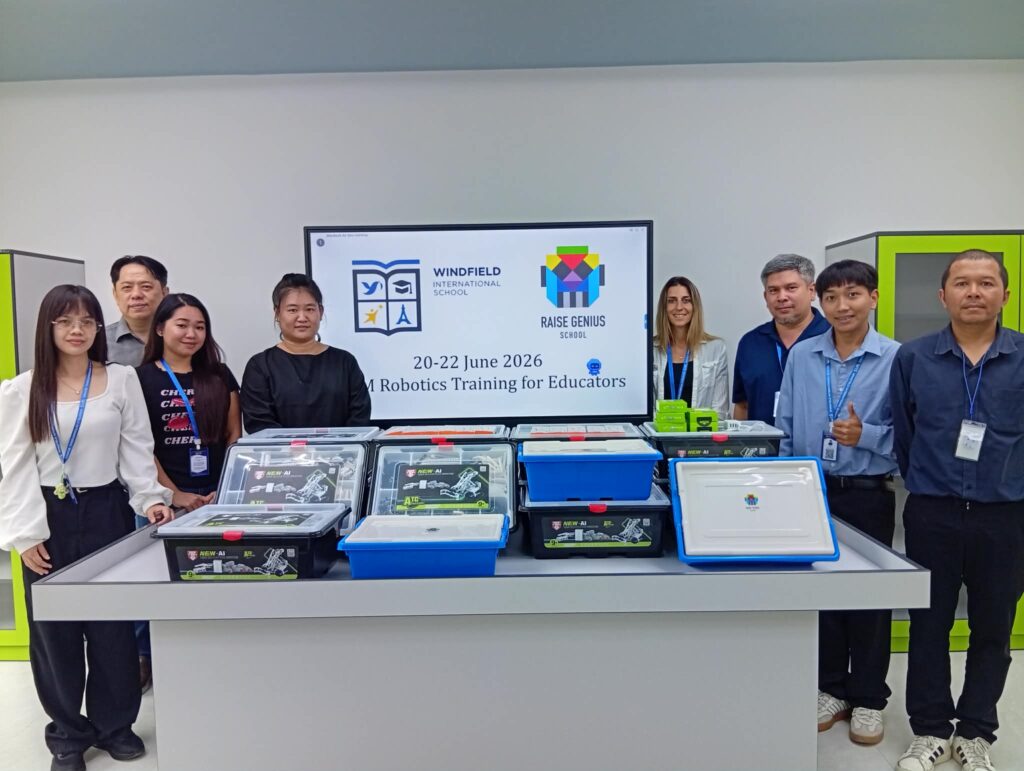
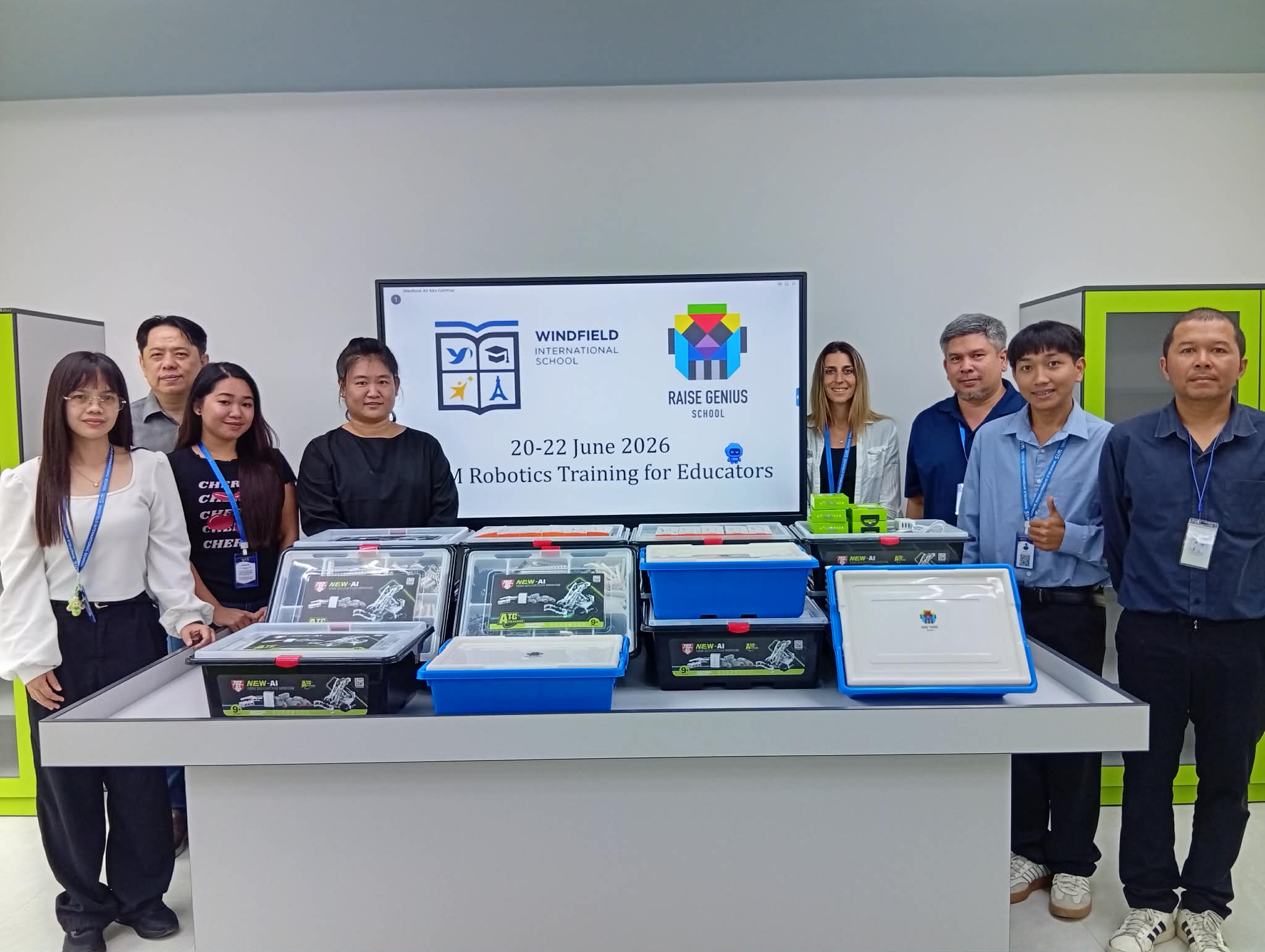
Plan robotics teacher preparation for a school subject or club: training format, laptops, loan kits and classroom support. Ask for the current schedule and quotation.
Review online learning barriers: one-way teaching, unsuitable devices, the learning space and slow help. Discuss interactive missions and support with the teacher.
Use university portfolio planning to connect your interests, evidence and destination programme. Organise your work and follow the institution’s required format.
Explore fun and challenging learning through flipped lessons and the 4F model: Fun, Find, Focus and Fulfill. Connect curiosity with practice and improvement.
Explore project based learning for children through three source examples: a small garden, a school sale and portfolio preparation. Connect research, resources and review.
Understand flipped classroom learning: meet material before class, bring questions and use shared time for practice with a teacher. Discuss access and learner support.
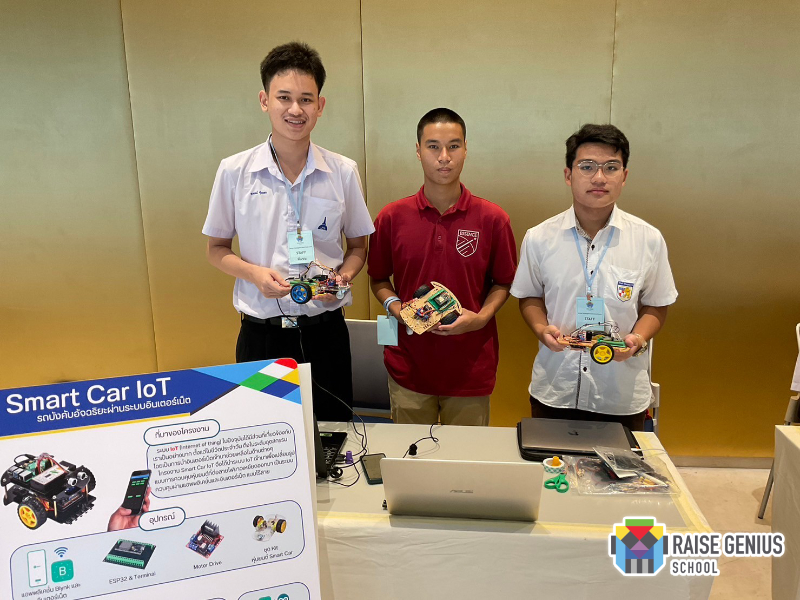
Connect robotics and soft skills through observation, testing, teamwork and explanation. Read the school’s archive story of an egg-roll robot and shared learning labs.
Explore benefits of robotics learning: logical thinking, problem solving, collaboration and explaining a project, with realistic expectations for future study.
Choose whether to allow analytics and advertising cookies. You can change your choices at any time.