Starting an AI or IoT Project for a Portfolio
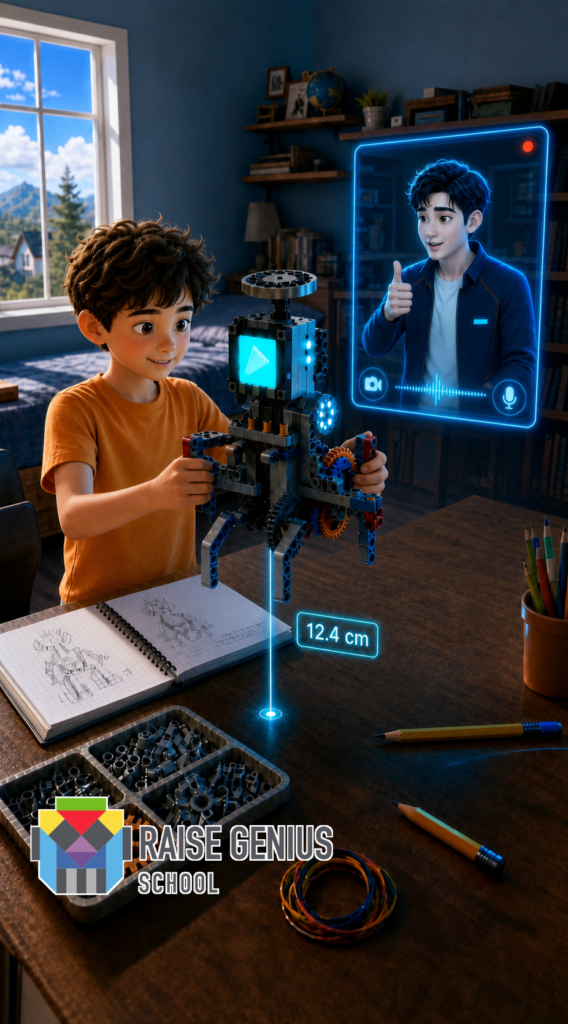
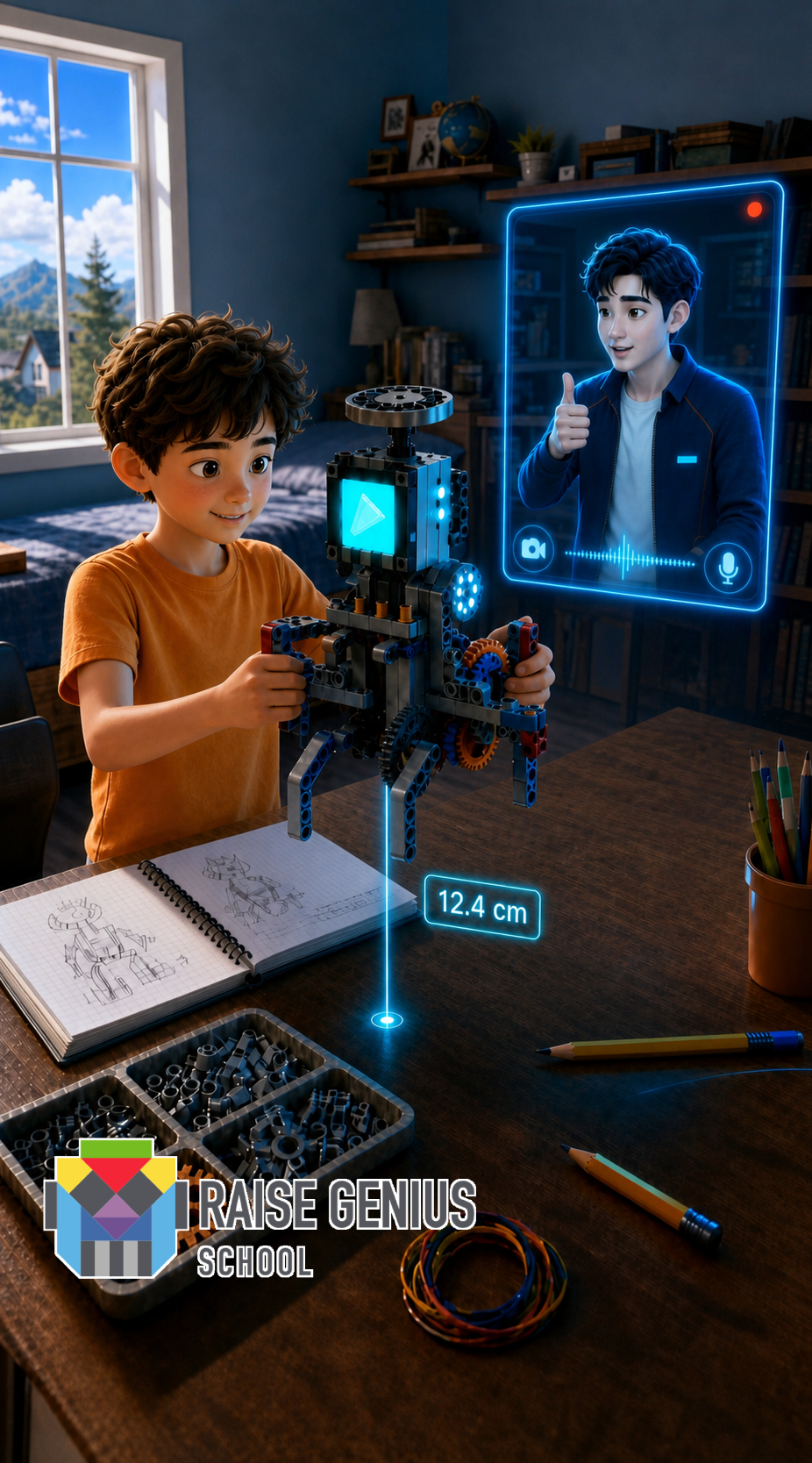
Plan AI and IoT portfolio projects around a clear question, a manageable first version, tests and an explanation of the learner’s own contribution.
Plan AI and IoT portfolio projects around a clear question, a manageable first version, tests and an explanation of the learner’s own contribution.
Use seven checks for choosing a coding course: progression, attention, teachers, practical work, updates, evidence and introductory arrangements. Confirm published fees.
Plan school robotics and STEM camps around goals, pupil years, practical time, venue, staffing and an agreed quotation, with five format options from the source guide.
Compare Roblox game making for children with Minecraft Education coding through readiness, creative tasks and published lesson arrangements, then confirm the current course.
Explore six robotics engineering careers and practical preparation by stage, while treating AI-related job forecasts as uncertain and checking current training and degree requirements.
Explore benefits of robotics learning: logical thinking, problem solving, collaboration and explaining a project, with realistic expectations for future study.
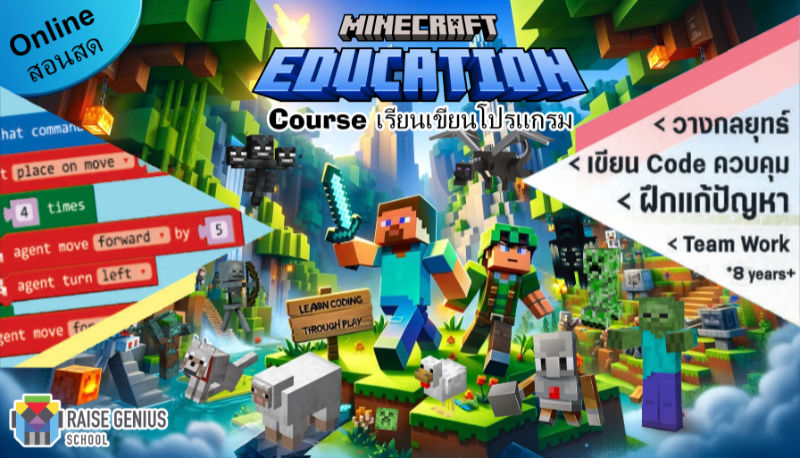
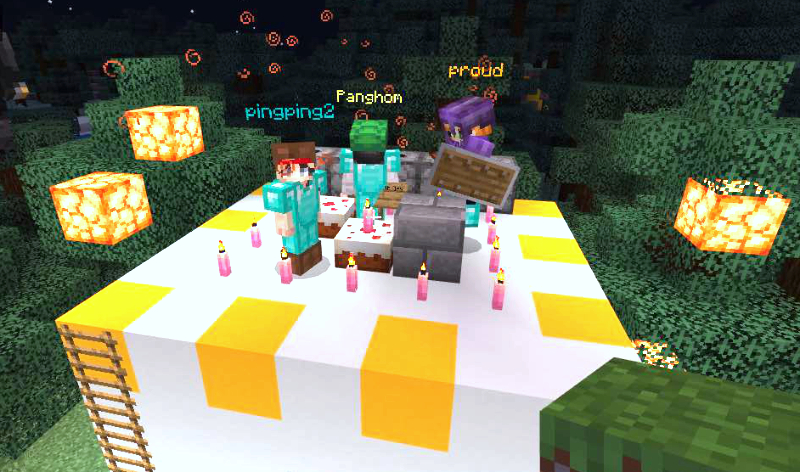
Explore Minecraft coding for beginners through Agent missions, blocks, debugging and presentations, with readiness questions and a realistic pathway beyond the first course.
Plan when to start a robotics portfolio: foundations, lower-secondary projects, deeper upper-secondary work and honest records of the learner’s own contribution.
Build AI learning foundations for children through block coding, debugging and practical projects before more demanding IoT or AI tasks. Confirm readiness and course details.
Compare five study paths for inventors, from mechanical and electrical engineering to computing, robotics and design, with age-stage projects and readiness checks.
Compare school or offsite robotics camps using participation, practical time, responsibilities, total cost and evidence of learning, then confirm the actual event scope.
Compare individual or group coding through five checks: learning goals, hourly cost, participation, teacher attention and family schedules, with learner-specific questions.
Compare academic or vocational robotics pathways after Mathayom 3 using goals, learning style, degree eligibility, placements and evidence of practical work.
Use five criteria when choosing a robotics engineering degree: practical work, lab access, industry experience, current eligibility and total costs, with a secondary-school plan.
Prepare a robotics camp venue with seven checks: pupil numbers, covered space, group tables, power, floor and routes, audio/visual equipment and accompanying teachers.
Plan robotics camps for small schools around actual pupil numbers, hands-on time, shared events, venue needs and an itemised quotation rather than a fixed package.
Compare primary and secondary robotics camps through activity rhythm, challenge and progression, then separate rounds, tasks and support for a mixed-age event.
Plan robotics stations for school events around rotations, queue flow and actual hands-on turns, with three example activities and clear school/provider responsibilities.
Build an authentic TCAS portfolio with dated project development, failed tests and the learner’s own explanation, while checking programme rules and actual application dates.
Explore moving from playing games to coding through Minecraft Agent missions and Roblox game creation, with readiness checks and family learning goals.
Choose whether to allow analytics and advertising cookies. You can change your choices at any time.